Last updated November 21, 2026
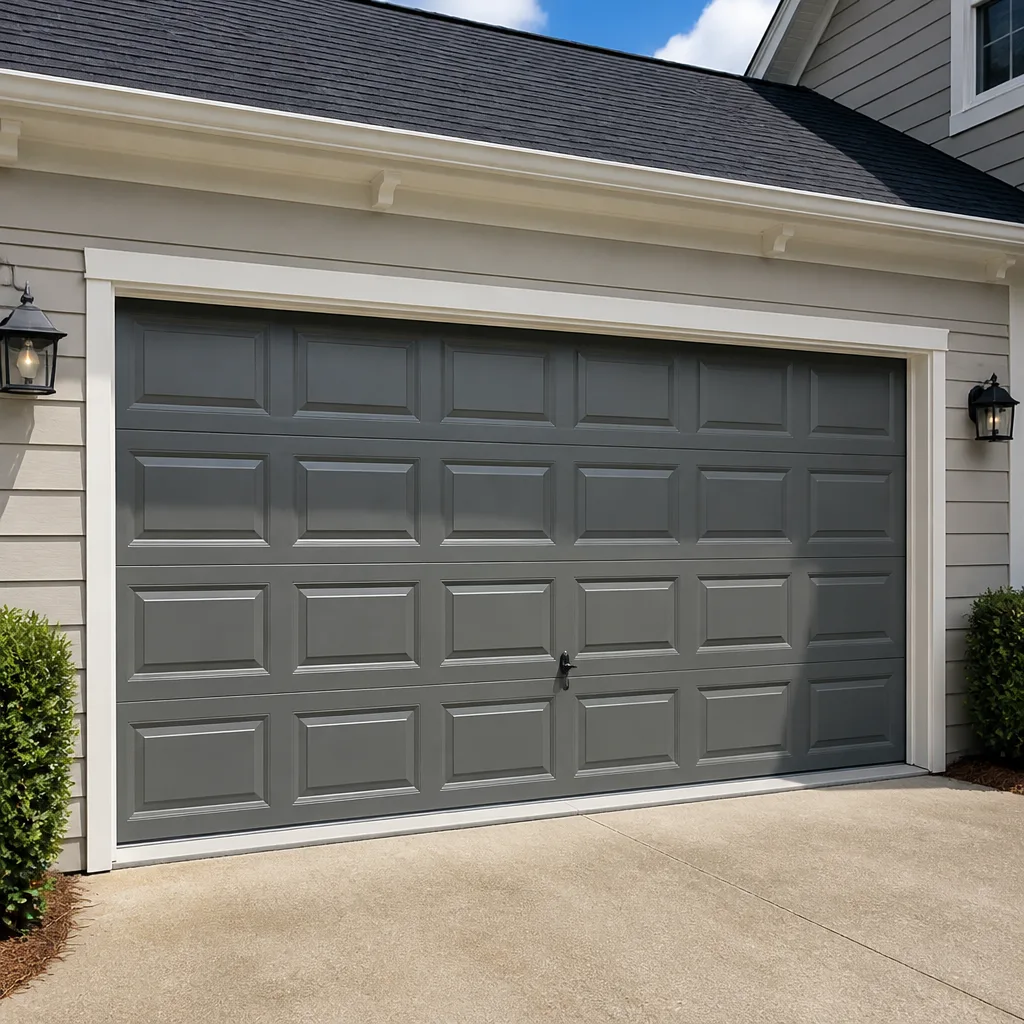 Raised-panel steel
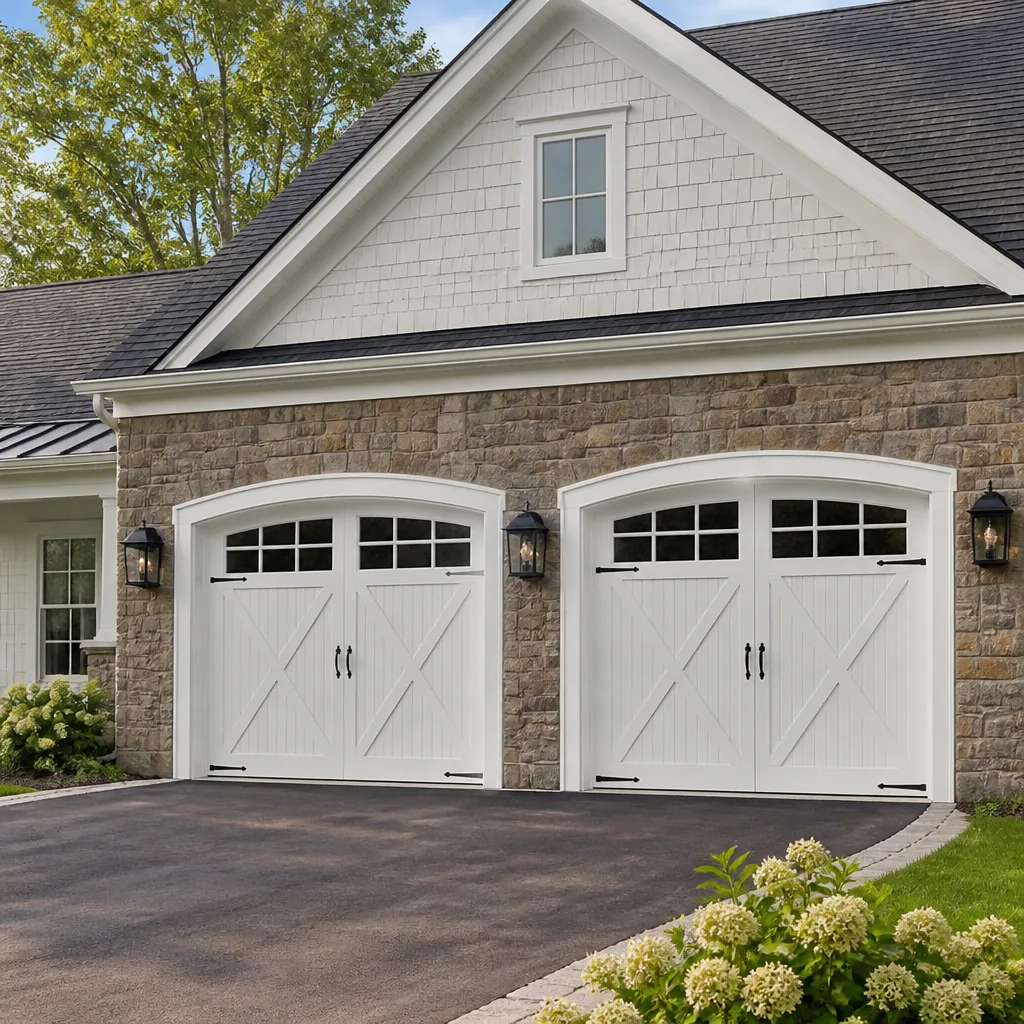 Carriage house
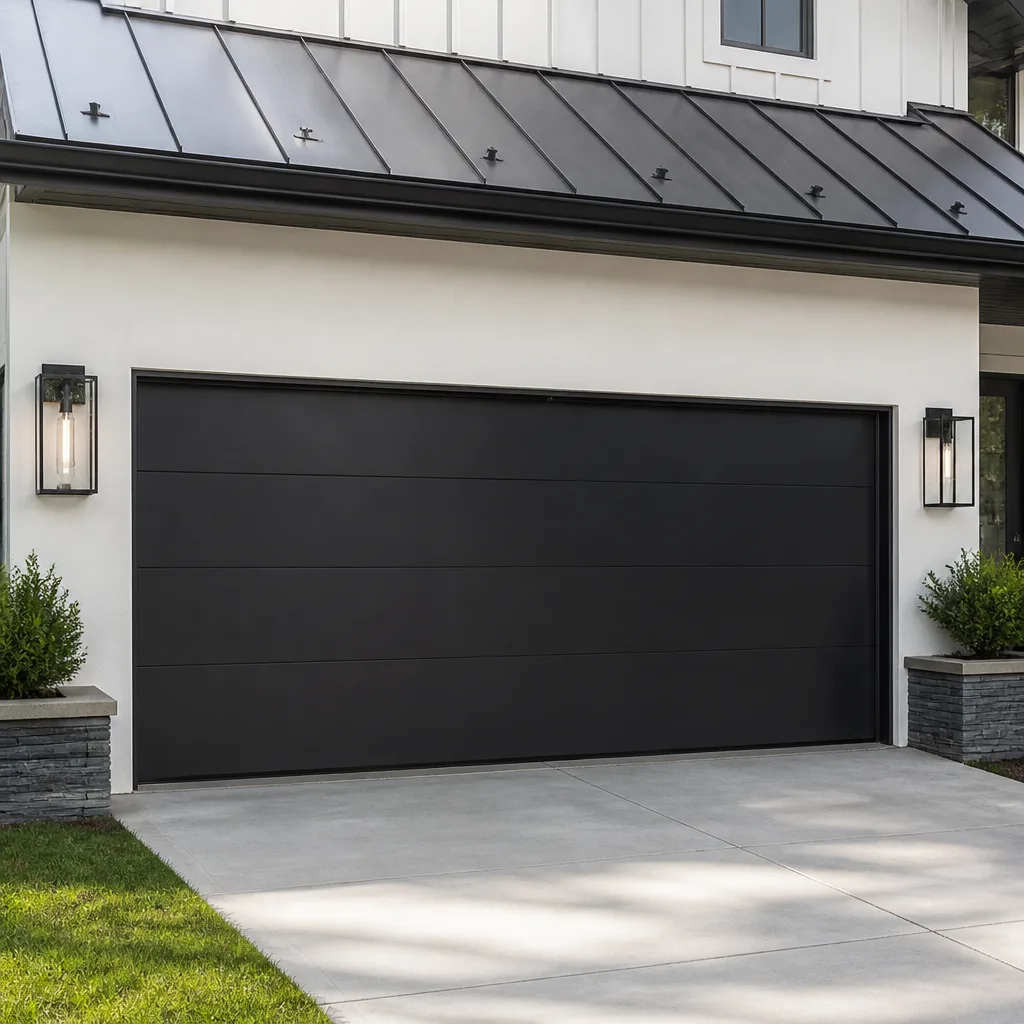 Modern flush
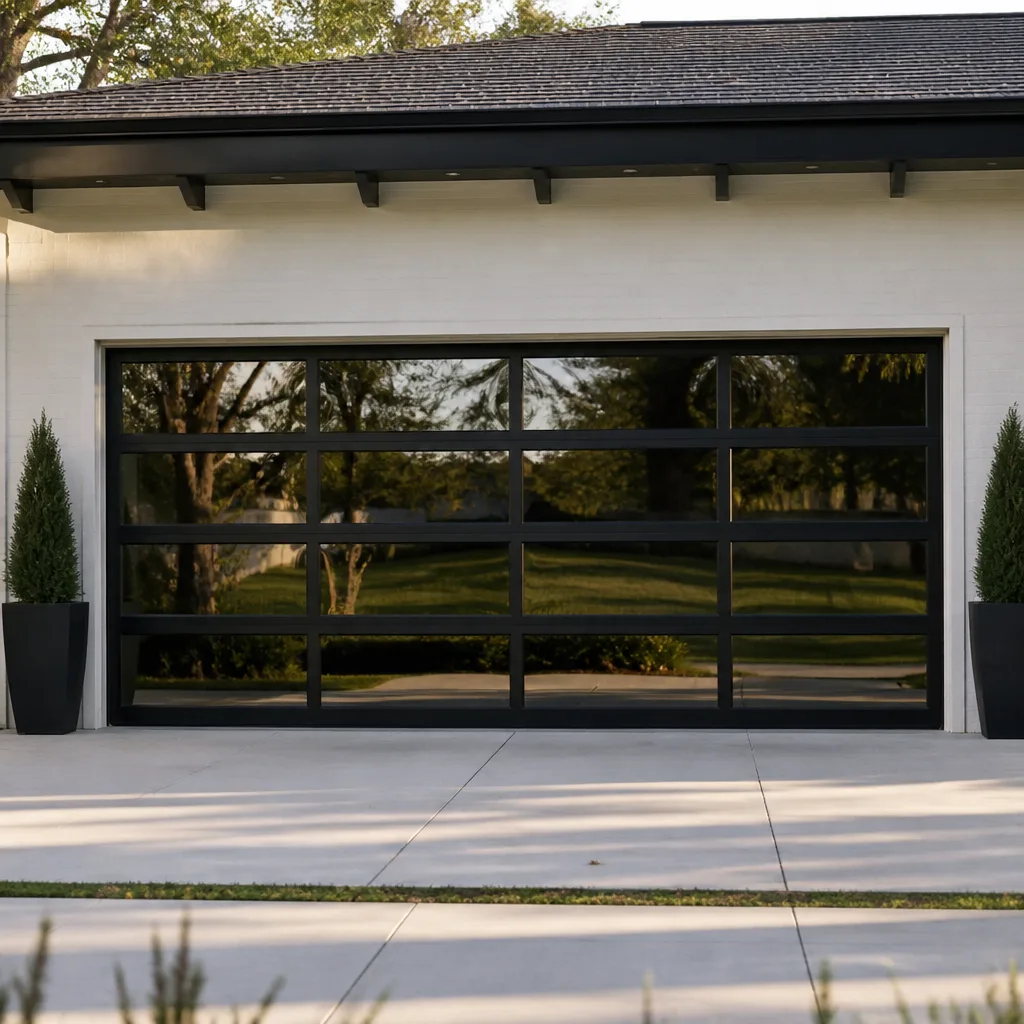 Full-view glass
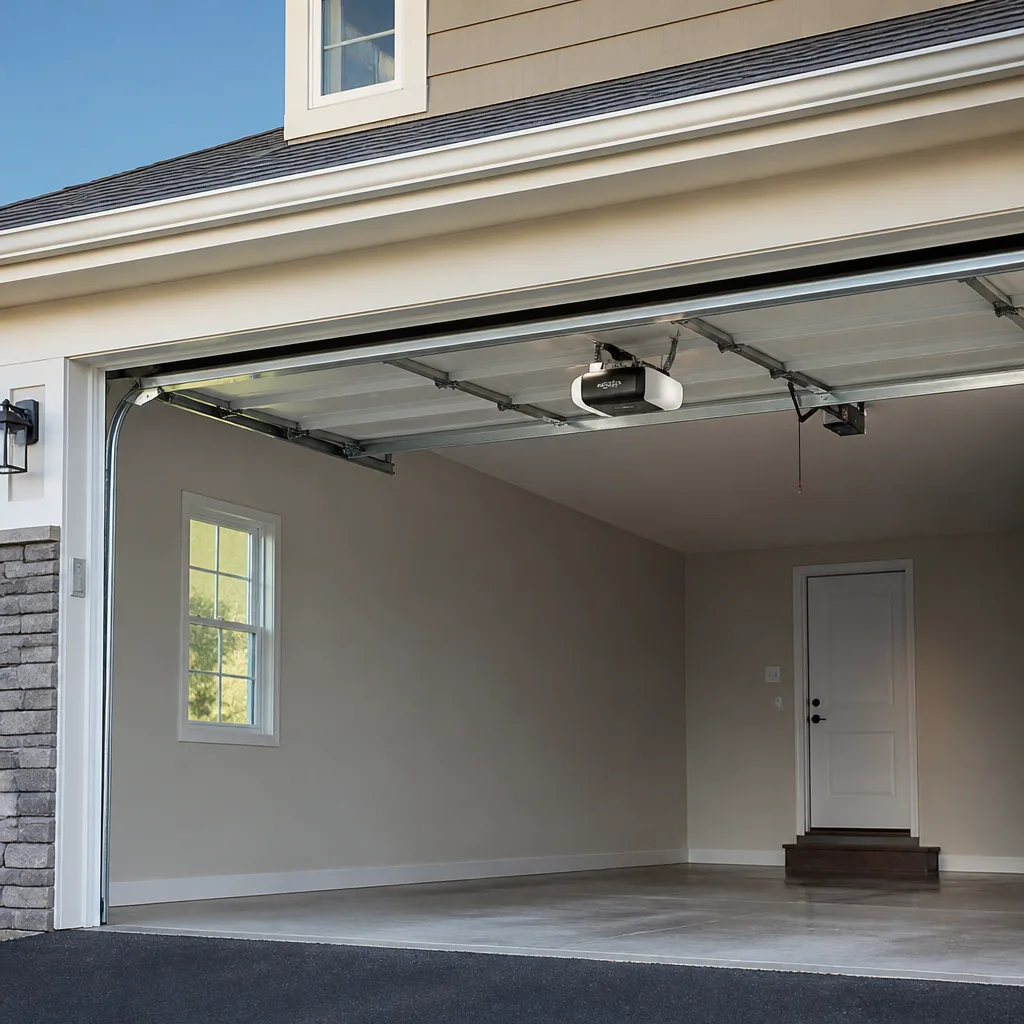 LiftMaster openers
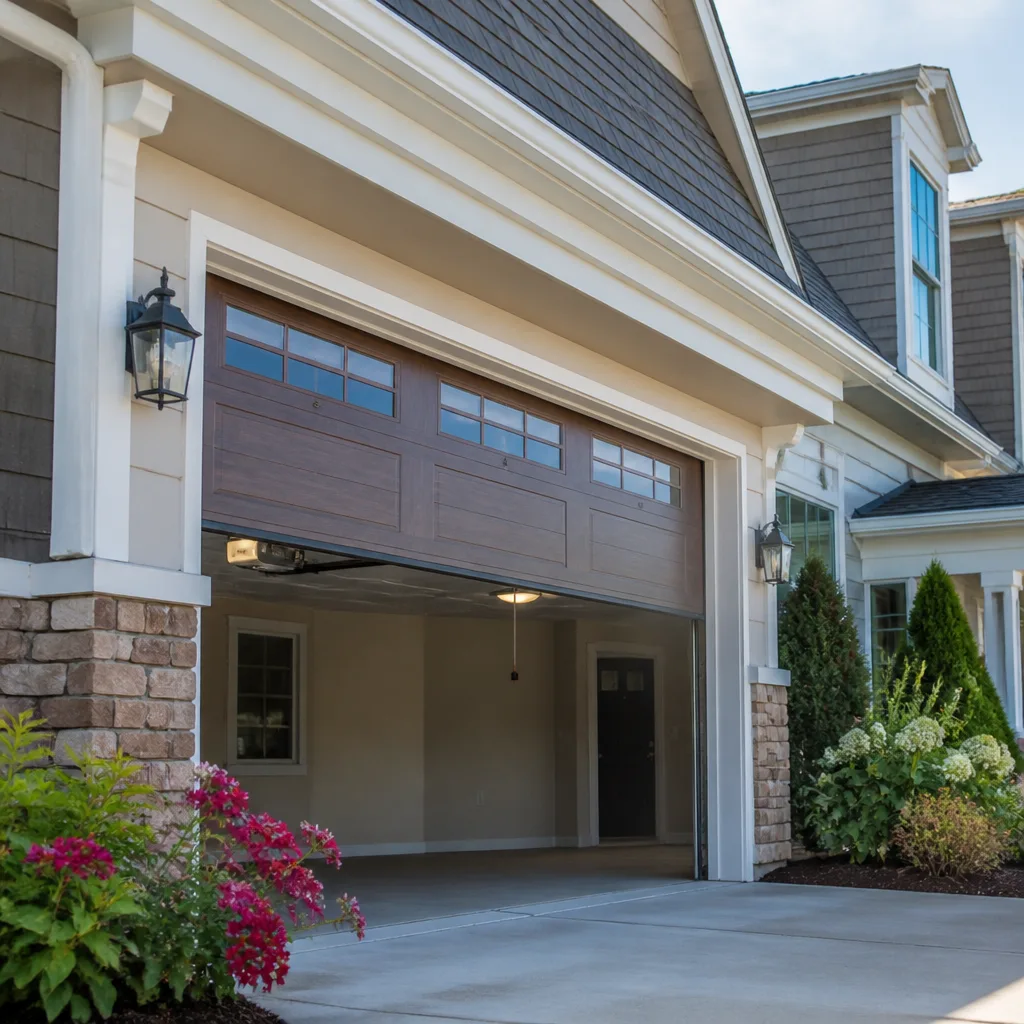 Chamberlain openers
Full 25-point door and opener safety check with every visit - springs, cables, rollers, tracks, and your LiftMaster or Chamberlain opener included
You get a price before we start. It does not change when the pro arrives.
Get your free estimateGarage Door Permits, Codes & Inspections in Hamilton, MD: What You Need to Know
Most garage door work in Hamilton needs no permit at all. Replace the whole door or add a new opener circuit, though, and you may cross a line that a lot of homeowners never knew was there. The trouble shows up years later: during a home inspection, at resale, or when an insurer asks for documentation that doesn’t exist. This guide walks through which work in Hamilton triggers a Baltimore County permit, what inspectors actually check, the paperwork to keep, and how HOA rules can run parallel to – and sometimes against – the county’s requirements. If you’d rather get straight to the practical part, the next section answers the core question.
Quick Answer
In Hamilton, MD, routine garage door repairs – springs, cables, rollers, tracks, opener components – typically don’t require a permit. A full door replacement or new opener installation with new wiring often does fall under Baltimore County permitting, and whether your specific project needs one depends on scope. When in doubt, the safest move is a call to Baltimore County’s building department before work starts, followed by keeping the approved permit and final inspection record for resale and insurance.
Styles & brands we work with
- Raised-panel steel
- Carriage house
- Modern flush
- Full-view glass
- LiftMaster openers
- Chamberlain openers
Table of Contents
- Where the Permit Line Falls in Hamilton
- UL 325 and What It Means for a Replacement
- What an Inspector Checks: Rough-In vs. Final
- The Paperwork to Keep After Permitted Work
- HOA Approval in Hamilton: The Parallel Track
- What Permit Work Costs and Why It Varies
- Common Mistakes to Avoid
- Frequently Asked Questions
Where the Permit Line Falls in Hamilton
Here’s the part that trips people up: the word “repair” and the word “replace” carry very different regulatory weight in Hamilton, and most homeowners use them interchangeably. Under Baltimore County’s approach to residential work, the question isn’t whether a garage door technician touched the door – it’s whether the project changes the structure, the electrical system, or a life-safety component. That distinction decides almost everything.
As a general rule, the work that typically doesn’t need a permit includes:
- Spring replacement, whether torsion or extension
- Cable, roller, hinge and bearing plate replacement
- Track straightening or section replacement on an existing door
- Opener motor or logic board replacement on an existing circuit
- Adjustment of travel limits, force settings, or safety sensors
Work that often does require a permit or at least a call to confirm includes:
- Replacing the entire door and its track and hardware system
- Installing a new opener where none existed, especially if new wiring is run
- Any change to the structural opening, header, or framing
- Adding a circuit or outlet to serve the opener
We always tell Hamilton homeowners the same thing: the county sets the rule, so ask the county. Baltimore County’s building department is the authority, and a five-minute call before a project avoids a much longer conversation during a home inspection. If you’re unsure whether your job lands in the first list or the second, the honest answer is that scope matters more than the label on the invoice.
UL 325 and What It Means for a Replacement
UL 325 is the safety standard that governs garage door operators, and it’s the piece most homeowners have never heard of until a new opener shows up in the plan. The standard covers entrapment protection – the safety features that stop a closing door when something is in the way. In practical terms, any new opener installed today should meet the current version of UL 325, which means photoelectric sensors at the floor and, depending on the setup, other protection built in. That matters for Hamilton replacements because an inspector looking at a new opener installation will expect modern safety hardware, not a reused sensor from a system that’s been in place for years.
Where this runs into permit territory is wiring and the electrical side of the installation. A straight motor swap on an existing, properly wired circuit usually doesn’t trigger a permit. But a new opener where there wasn’t one, or a new dedicated circuit, brings an electrical inspection into the picture. In our experience on Hamilton jobs, the safety hardware itself is rarely the sticking point – the paperwork and electrical sign-off are.
If you’re comparing openers for a replacement, the brands most homes in this area have installed include LiftMaster and Chamberlain systems, both of which ship with entrapment protection meeting current UL 325 requirements. What matters more than the brand name on the box is that the safety sensors are mounted correctly, aligned, and tested at final inspection.
One practical note: a door that reverses properly on a block of wood is not proof the system meets code. The sensors, the force settings and the control wiring all get looked at together. If your existing opener is old enough that replacement parts are getting hard to source, that’s usually a stronger argument for a new unit than any single feature.
What an Inspector Checks: Rough-In vs. Final
Inspections happen in stages, and knowing what each stage covers helps you understand where a project can stall. For garage door work connected to a permit, the sequence usually runs roughly like this:
- Rough-in inspection – happens before drywall or finishes close things up. The inspector looks at framing around the opening, header sizing, attachment points, and the electrical rough-in if new wiring is involved.
- Electrical inspection – if a new circuit serves the opener, this covers the wiring, box, and connection before it’s energized.
- Final inspection – the door and opener are installed. The inspector checks operation, safety reversal, sensor function, and that the installation matches the approved plans.
What gets flagged most often in our experience? Misaligned or poorly mounted safety sensors top the list, followed by doors that don’t reverse cleanly and openers mounted to framing that wasn’t designed to carry the load. A door that binds or jerks during the final test is a fail, even if everything else is fine. We see the same pattern on Hamilton jobs: the mechanical work is solid but the safety hardware was rushed.
For a straight replacement of an existing door to the same size in the same opening, the inspection is usually straightforward. For anything that changes the opening, expect the rough-in stage to matter more. If your project involves a new opener on a new circuit, plan for the electrical inspection to happen before the final, not after.
One thing worth knowing: an inspector isn’t there to grade the installation. They’re checking that the work matches the approved scope and meets the safety requirements. That’s why a permit application that accurately describes the scope makes the whole process easier for everyone.
The Paperwork to Keep After Permitted Work
This is the part homeowners forget, and it’s the part that costs the most grief later. If you did permitted garage door work in Hamilton, you need to keep a specific set of documents together – not scattered across email folders and a drawer of receipts. When a buyer’s home inspector flags the door or an insurer asks about a recent replacement, you want a single file you can hand over.
Put these in one place:
- The approved permit, with the permit number visible
- Inspection sign-off records for each stage that was inspected
- The contractor’s written scope of work and the final invoice
- Manufacturer documentation for the door and opener, including the UL 325 safety data
- Any HOA approval letter or architectural review record
- Warranty paperwork for the door and opener
The reason this matters is resale. A buyer’s inspector who finds a garage door replacement with no permit record will often flag it as an open item. That can turn into a request for retroactive documentation, a price negotiation, or worse – a demand that the work be redone. Insurance works the same way. If a claim ever touches the garage door, having the permit and inspection record removes a whole category of questions.
We tell Hamilton customers to treat that folder the same way they’d treat a roof replacement record. It’s not glamorous, but it’s the difference between a smooth sale and a delayed one.
HOA Approval in Hamilton: The Parallel Track
Baltimore County’s permit process and your HOA’s architectural review are two separate tracks, and they don’t always agree. This is the conflict most homeowners don’t see coming. You can have a fully permitted door replacement that your HOA later asks you to change, or an HOA approval for a style the county wants documented differently. The county cares about structure and safety. The HOA cares about appearance and neighborhood consistency.
Hamilton has a mix of housing types, from older rowhouse blocks to detached homes, and HOA rules vary enough that there’s no single answer. The practical approach:
- Read your HOA’s architectural guidelines before ordering anything. Door style, color, window placement and material all can be restricted.
- Submit the HOA application with the manufacturer’s spec sheet and a rendering or photo of the proposed door.
- Get the HOA approval in writing before work is scheduled.
- Apply for the county permit separately, describing the same scope.
- Keep both records together in the same folder.
Where the tracks conflict, the more restrictive requirement governs in practice – if the HOA limits color, that’s the color you install, even if the county would allow anything. What we’ve seen go wrong is a homeowner getting the county permit, installing, and then finding the HOA wanted a different panel style. The fix is usually expensive and entirely avoidable.
If you’re comparing doors, this is also the point where brand matters less than style. Clopay and similar manufacturers publish style sheets you can hand directly to an HOA reviewer, which speeds up the approval.
What Permit Work Costs and Why It Varies
Here’s a straight answer on pricing: permit fees, inspection costs and the cost of the work itself are three separate numbers, and the fees vary enough that the only reliable figure comes from your written estimate and the county. Be wary of any contractor who quotes a flat “permit included” price without showing you what the permit costs. In our experience on Hamilton jobs, the work itself breaks down along predictable lines, and the permit side is a small addition rather than the main cost.
Typical project costs for Hamilton work, estimated, look roughly like this:
- Spring replacement (one spring): a relatively small job, quoted per spring
- Spring replacement (matched pair): usually about double the single-spring price, since the pair is replaced together
- Opener replacement on an existing circuit: a moderate job, priced by unit and installation
- Full door replacement, standard size: the largest single line, driven by door style and material
- New opener with new wiring: adds an electrical scope on top of the opener
We can’t give you a Hamilton price list that covers every situation, and any contractor who does is guessing. What we can tell you is that the price is written down and agreed before any work starts. No surprise invoice after the fact. If a permit is required, the written quote should name the permit explicitly so you know what you’re paying for.
For a more detailed breakdown on the repair side, our garage door repair page covers the common failure points and how each is priced. For new doors, the garage door installation page goes through the measuring and delivery timeline.
Common Mistakes to Avoid
- Assuming “repair” means no permit is ever needed. A full door replacement is often treated as a replacement, not a repair, and that changes the permit requirement.
- Skipping the county call because the work seems small. In Hamilton, a new opener with new wiring is a small-looking job that can pull an electrical inspection into the project.
- Getting HOA approval after the work is done. The HOA review runs parallel to the county permit and can force a door change even when the county signed off.
- Losing the inspection sign-off. The permit alone isn’t enough; the inspection records are what protect you at resale.
- Reusing old safety sensors on a new opener. The final inspection checks UL 325 compliance, and a reused sensor is a common reason doors fail inspection.
- Hiring a contractor who treats the permit as optional. The permit protects you, not the contractor, and a skipped permit becomes your problem years later if a home inspector finds it.
- Not keeping manufacturer documentation. Warranty claims and HOA reviews both depend on having the door and opener spec sheets on file.
See the difference
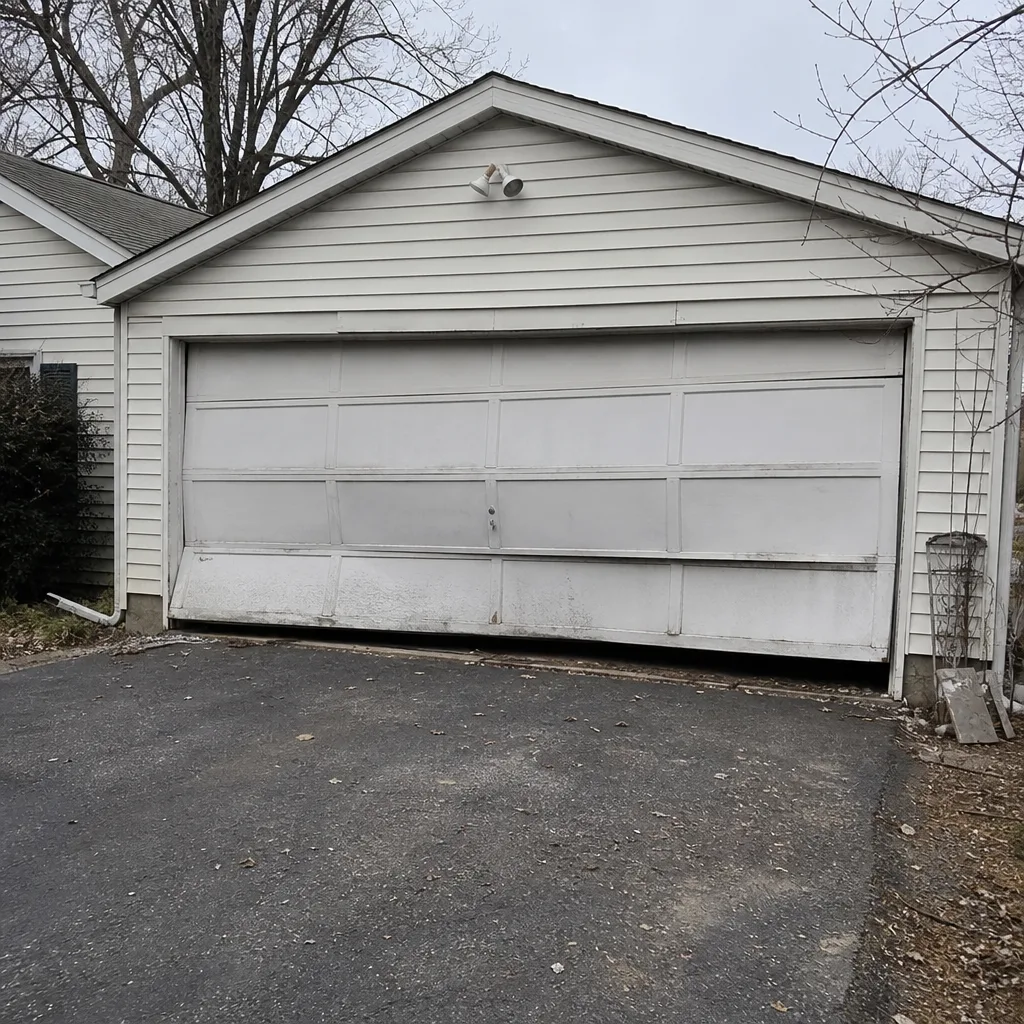 Before
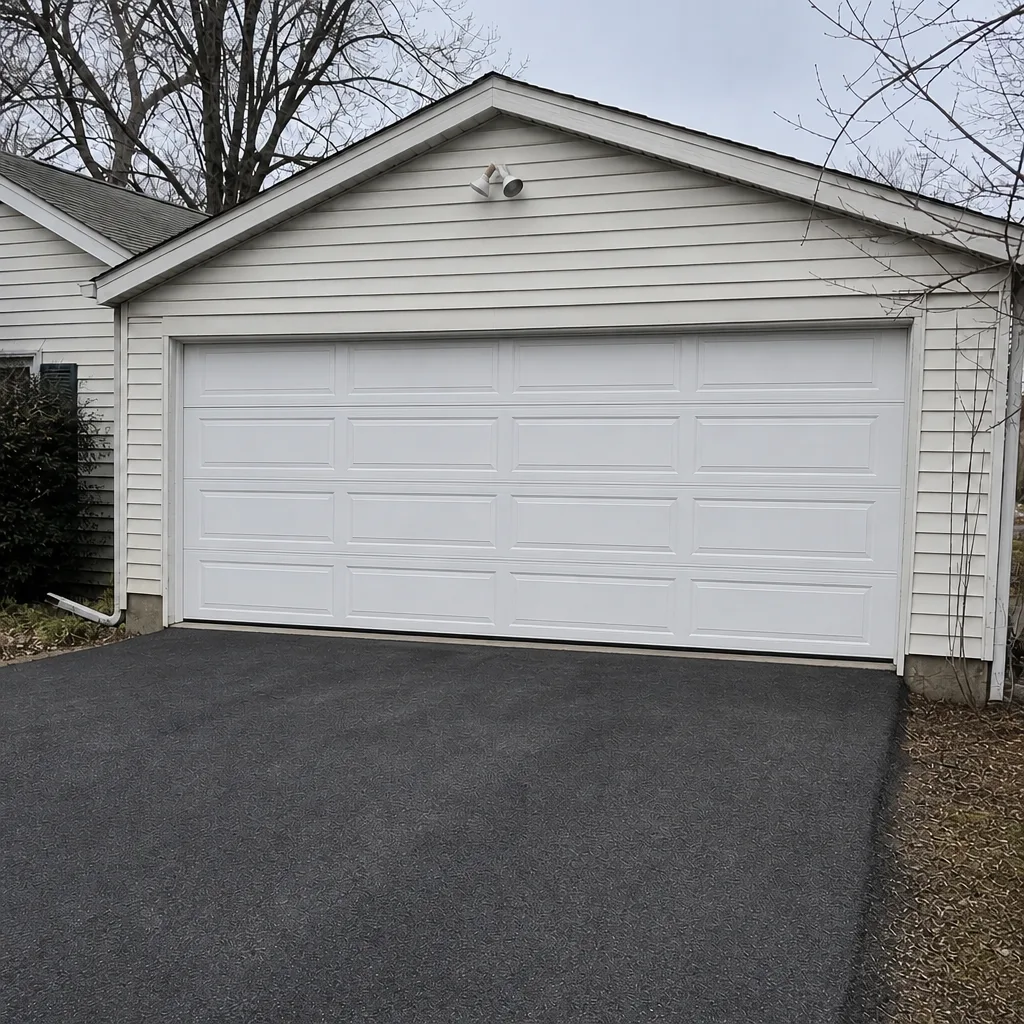 After
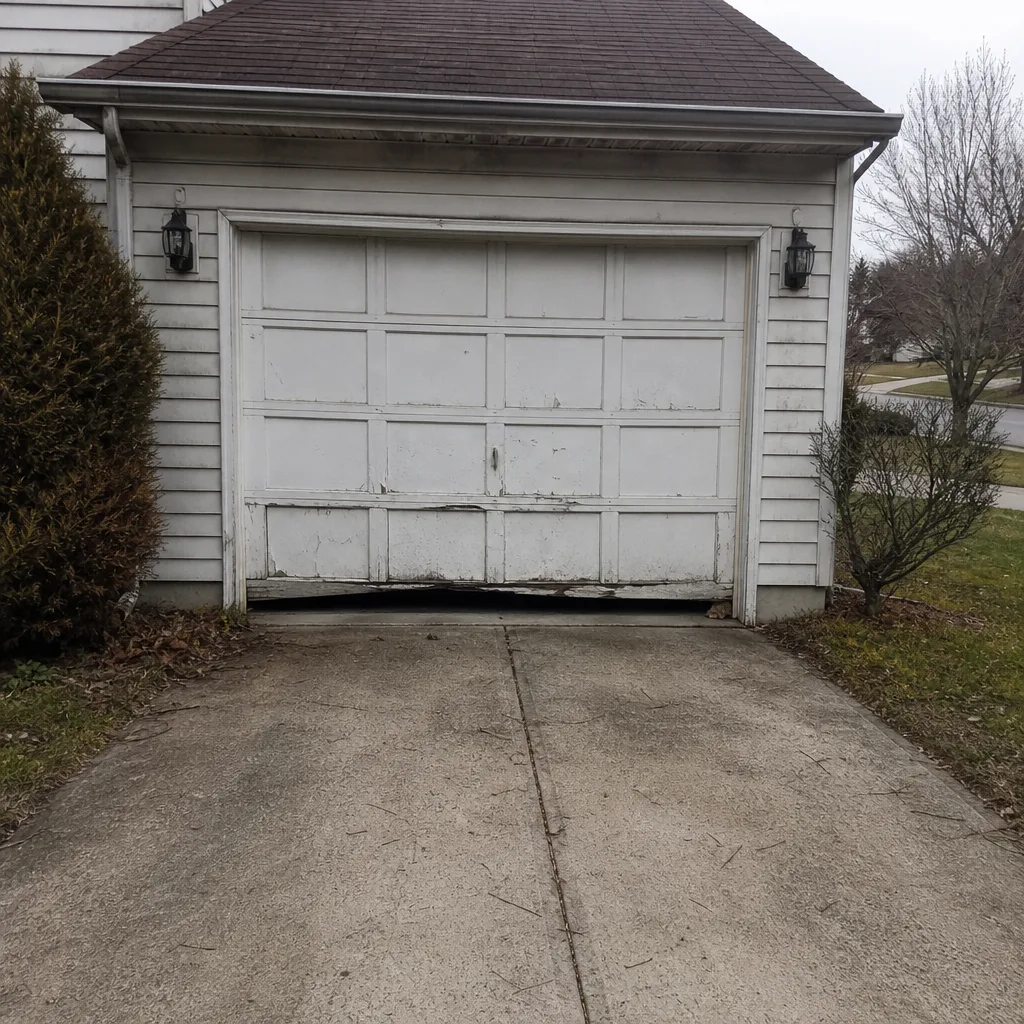 Before
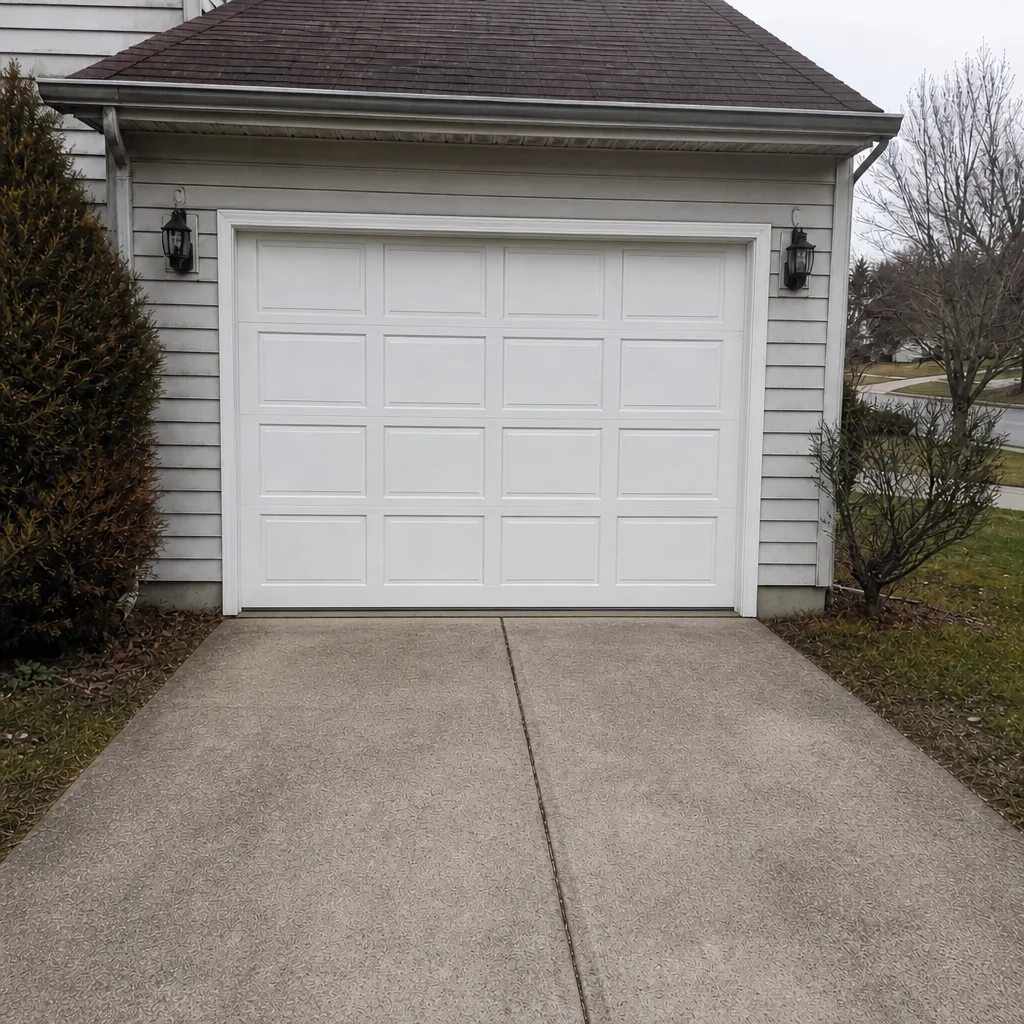 After
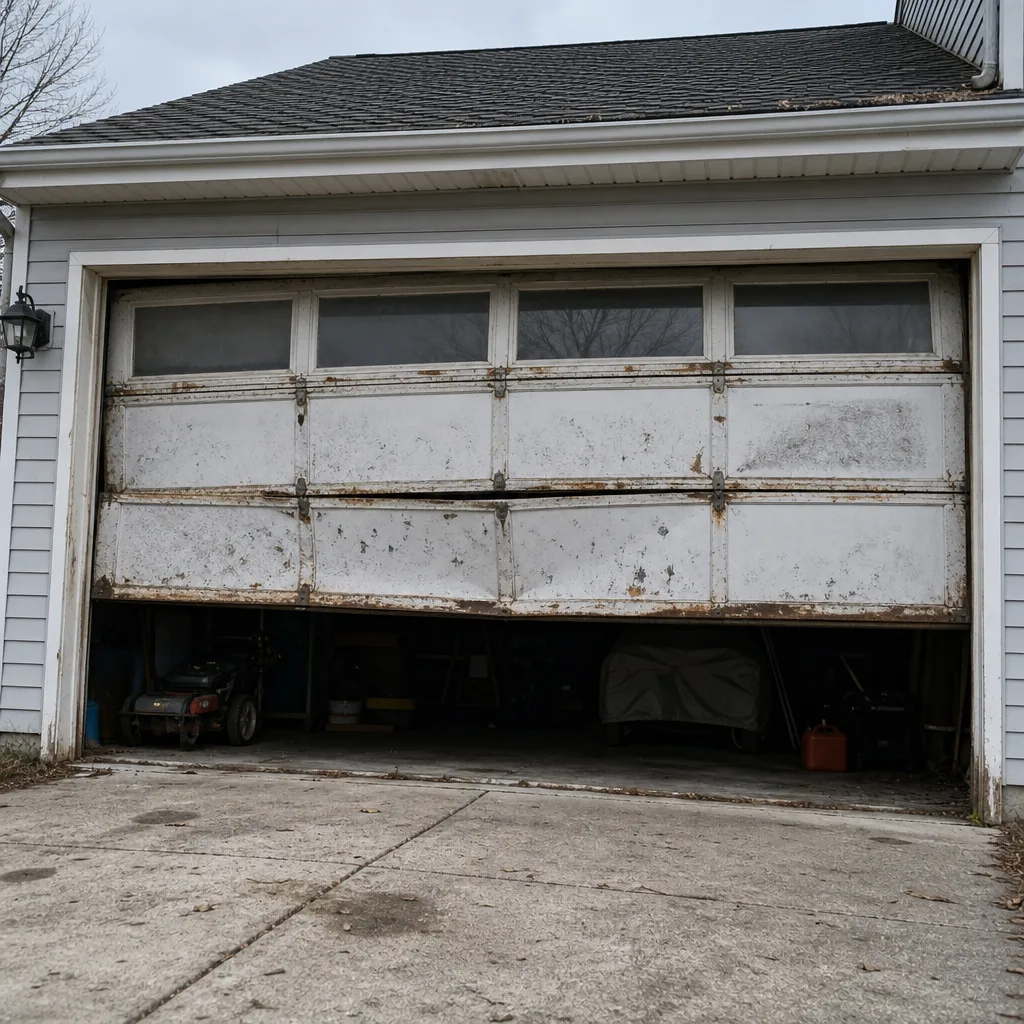 Before
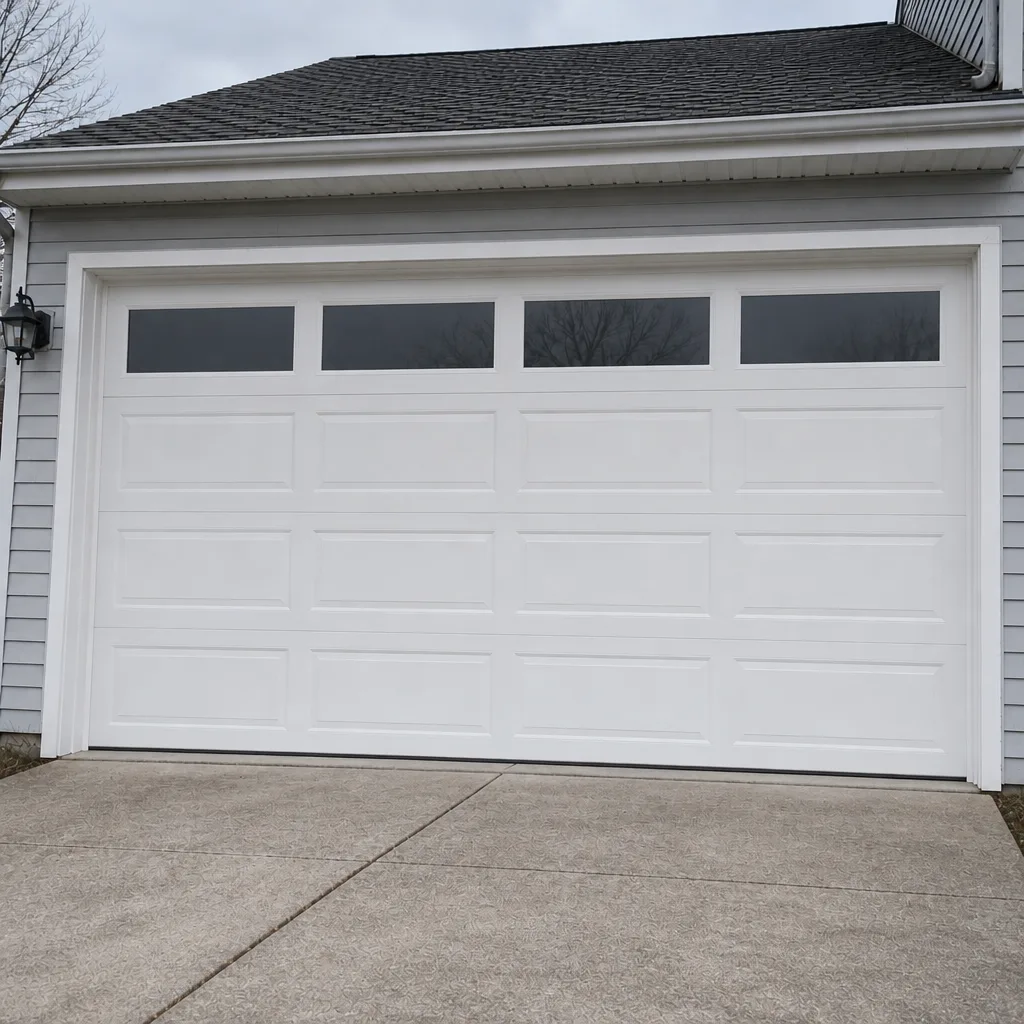 After
When to Call a Professional
We tell Hamilton homeowners that the line is simple: anything involving the springs, cables, or the structure of the opening is not a do-it-yourself job. Torsion springs are under heavy tension, and a mistake can cause serious injury. The same goes for electrical work on the opener circuit – if it requires a new wiring run, that’s a licensed electrician’s scope, not a handyman’s. And any project that touches the safety hardware, the opener itself, or the door system as a whole needs someone who knows the brands and the code. Our technicians have up to 11 years of experience and work on the brands most homes in Hamilton actually have, including LiftMaster, Chamberlain, Genie and Clopay systems. Hamilton Garage Door Repair Pros offers free estimates in Hamilton – call (855) 502-5595. We can also work with your insurer if a claim is part of the picture, and we’ll tell you up front what a project needs and what it doesn’t.
Frequently Asked Questions
It depends on scope, but a full door replacement often requires a Baltimore County permit while a simple section or spring repair typically does not. The reliable way to know is to call Baltimore County’s building department with your project details before work starts. If a permit is required, keep the approved permit and inspection records for resale and insurance. Call (855) 502-5595 for an exact quote – estimates are free.
A repair restores the existing door and hardware; a replacement installs a new door system, and that’s usually where the permit line sits in Baltimore County. Homeowners often use the words interchangeably, which is where confusion starts. Our garage door repair work is priced per job with the scope in writing, and we’ll tell you which side of the line your project falls on.
Not always. A motor swap on an existing, properly wired circuit usually doesn’t, but a new opener where there wasn’t one, or one that needs new wiring, often brings an electrical inspection into the project. The standard to watch is UL 325, which covers entrapment protection and safety sensors. For opener work in Hamilton, our garage door opener repair page covers the common failures and repair options.
An inspector checks that the door operates cleanly, reverses properly, and that the safety sensors are mounted and aligned correctly. The most common failures in our experience are misaligned sensors and openers mounted to framing that wasn’t built for the load. The work has to match the approved permit scope, and the safety hardware has to meet the current UL 325 requirements.
Yes, and this is where problems show up. The county cares about structure and safety; the HOA cares about appearance and consistency. If the HOA restricts door style, color, or materials, those restrictions apply even if the county would allow more. Get the HOA approval in writing before work is scheduled, and keep it with the permit record.
Keep the approved permit, the inspection sign-off records, the contractor’s written scope and invoice, the manufacturer documentation for the door and opener, and any HOA approval letter together in one file. This protects you at resale and during an insurance claim. If you’re planning a replacement, our garage door installation page walks through what the process involves, or call (855) 502-5595 for a free written estimate.
The Bottom Line
Most garage door repairs in Hamilton don’t need a permit. Full door replacements and new opener installations with new wiring often do, and the difference matters more than most homeowners expect – it shows up during a home inspection, at resale, and in an insurance claim. Calling Baltimore County before work starts, keeping your permit and inspection records, and getting HOA approval in writing before you order are the three habits that prevent the gray zone from becoming your problem. For a free estimate, honest advice on whether your project needs a permit, and work on the brand already in your garage, call Hamilton Garage Door Repair Pros at (855) 502-5595. You can start at our Hamilton Garage Door Repair Pros home page to see the full range of what we handle, from a snapped spring to a complete new installation.
Written by the team at Hamilton Garage Door Repair Pros.