Last updated November 21, 2026
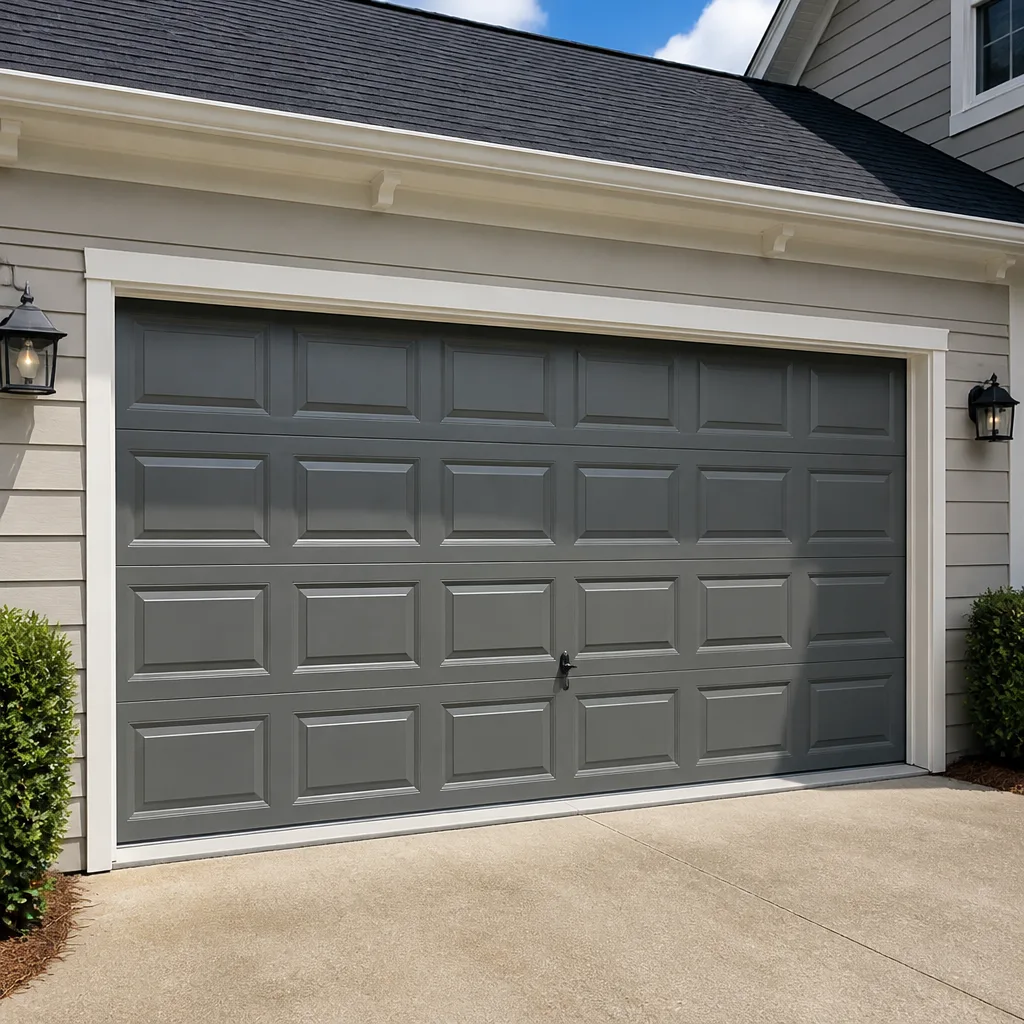 Raised-panel steel
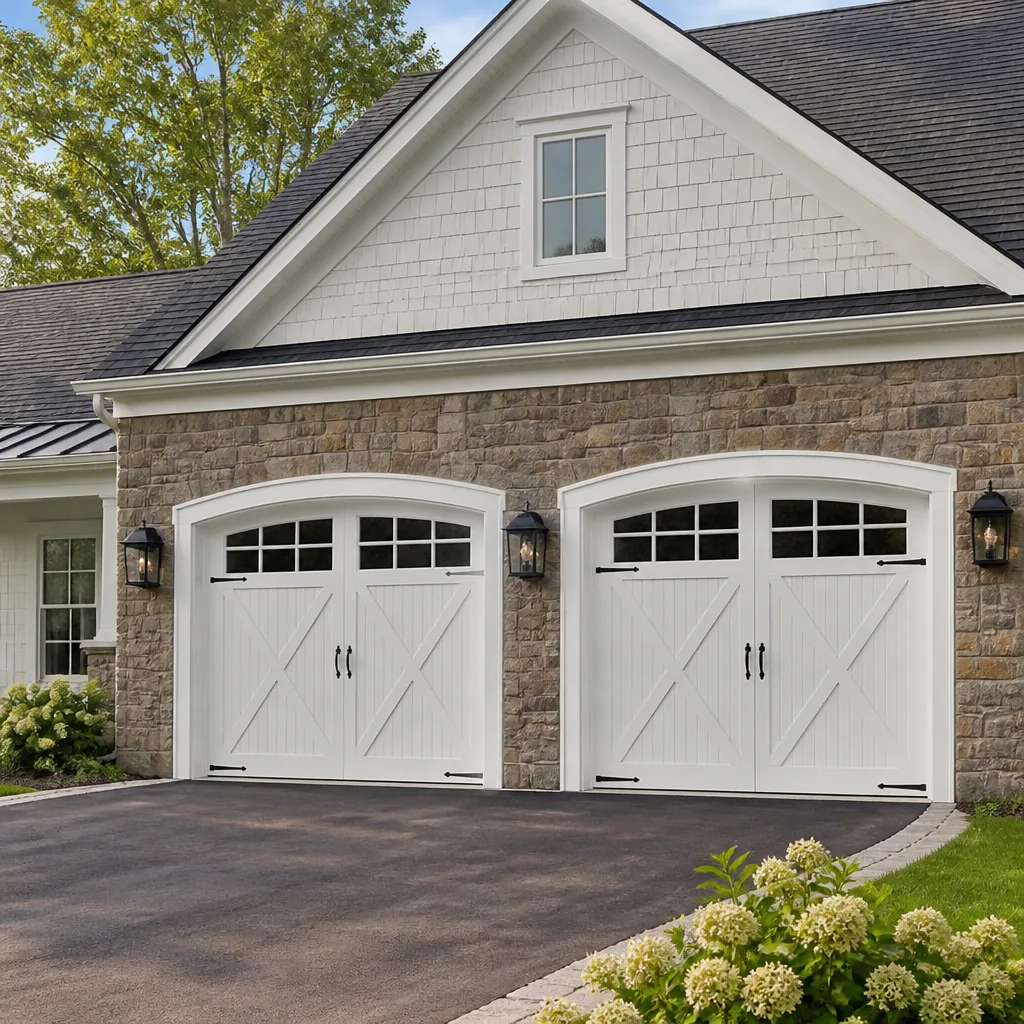 Carriage house
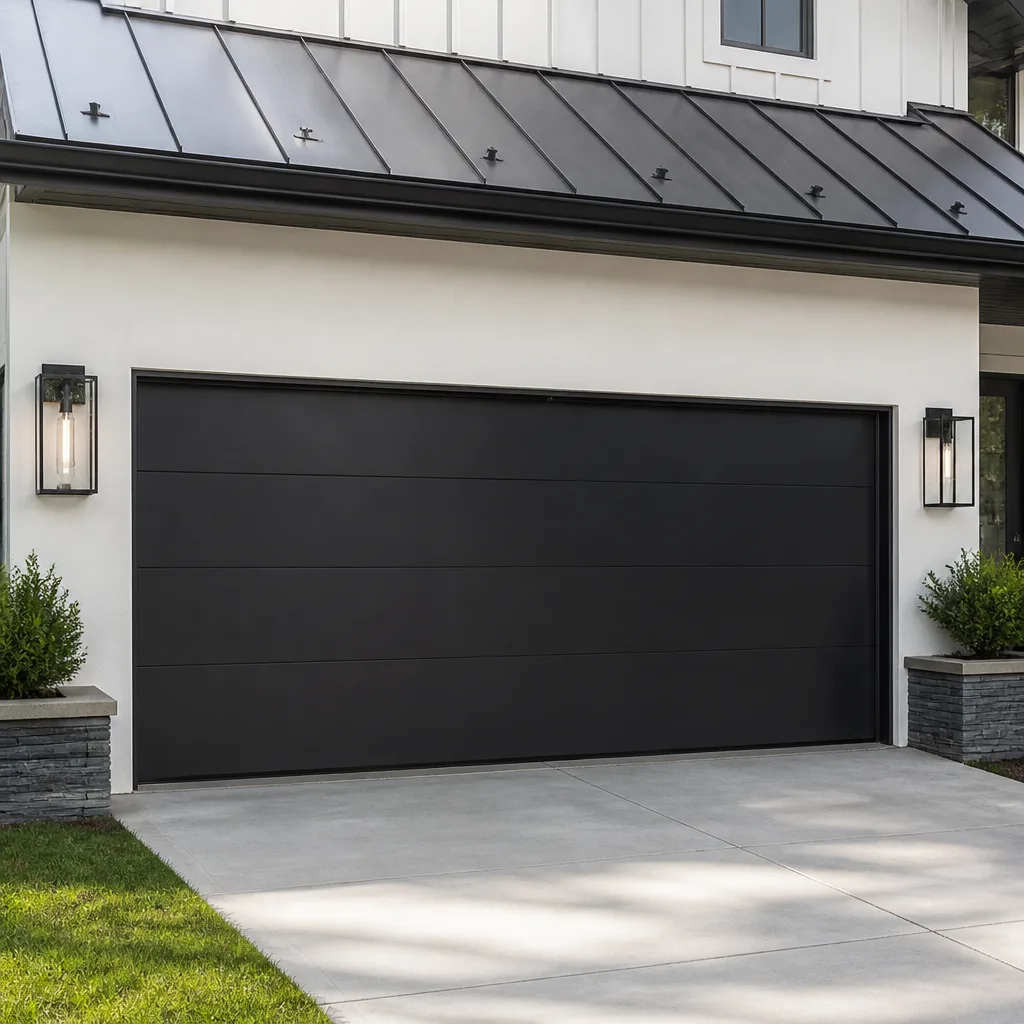 Modern flush
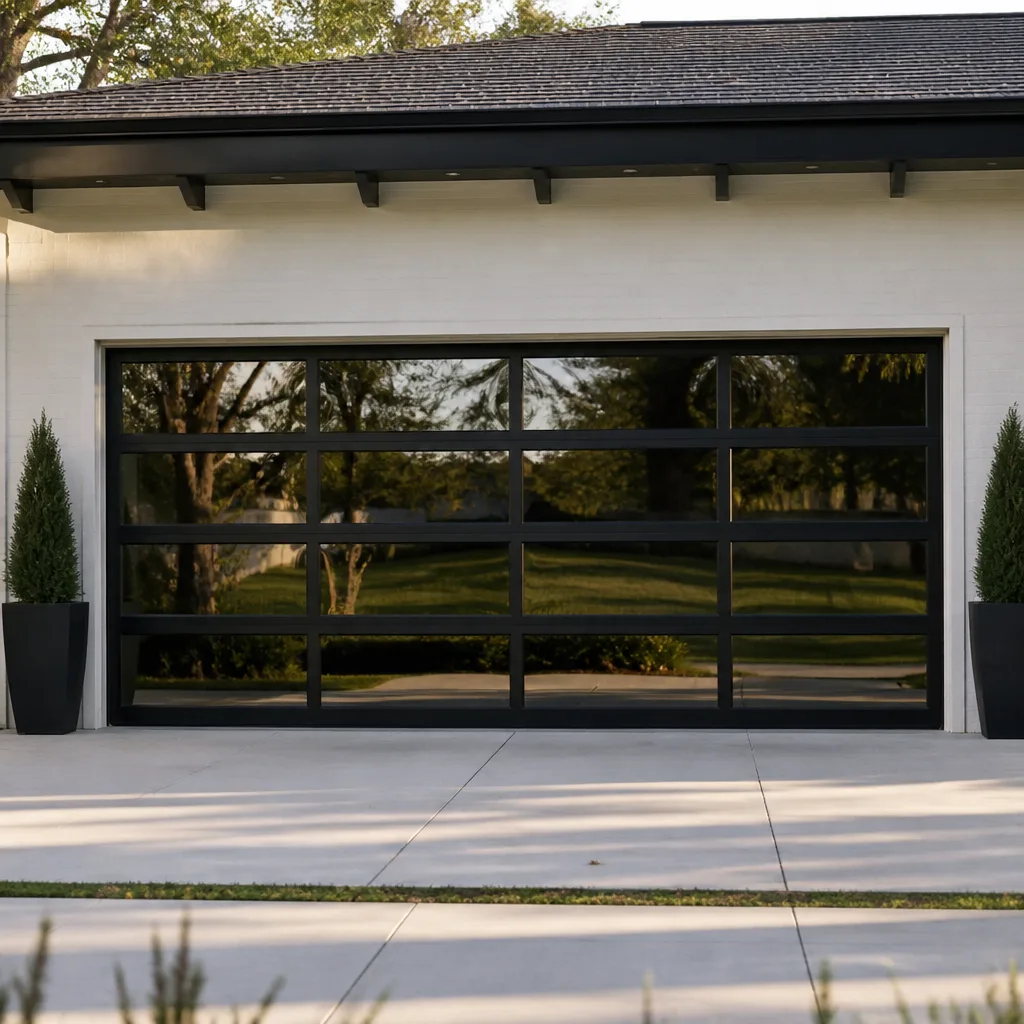 Full-view glass
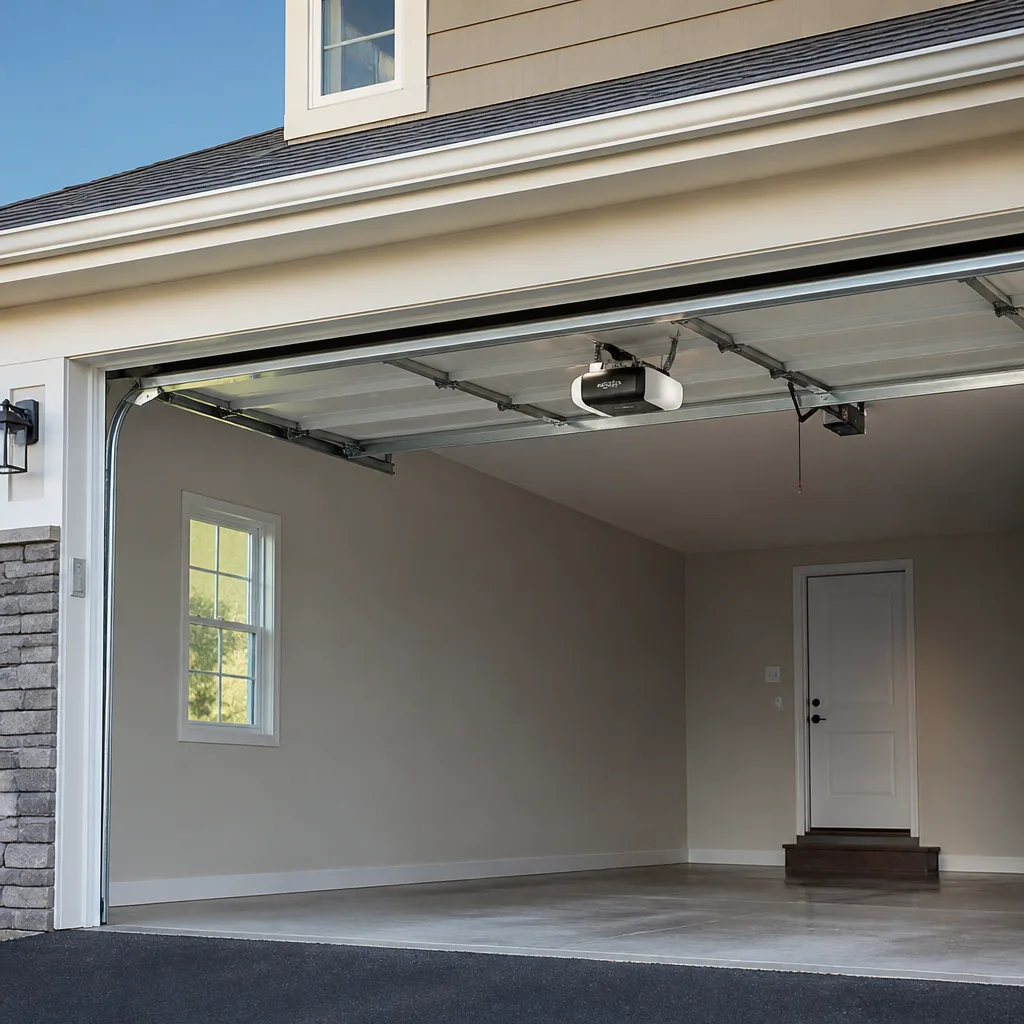 LiftMaster openers
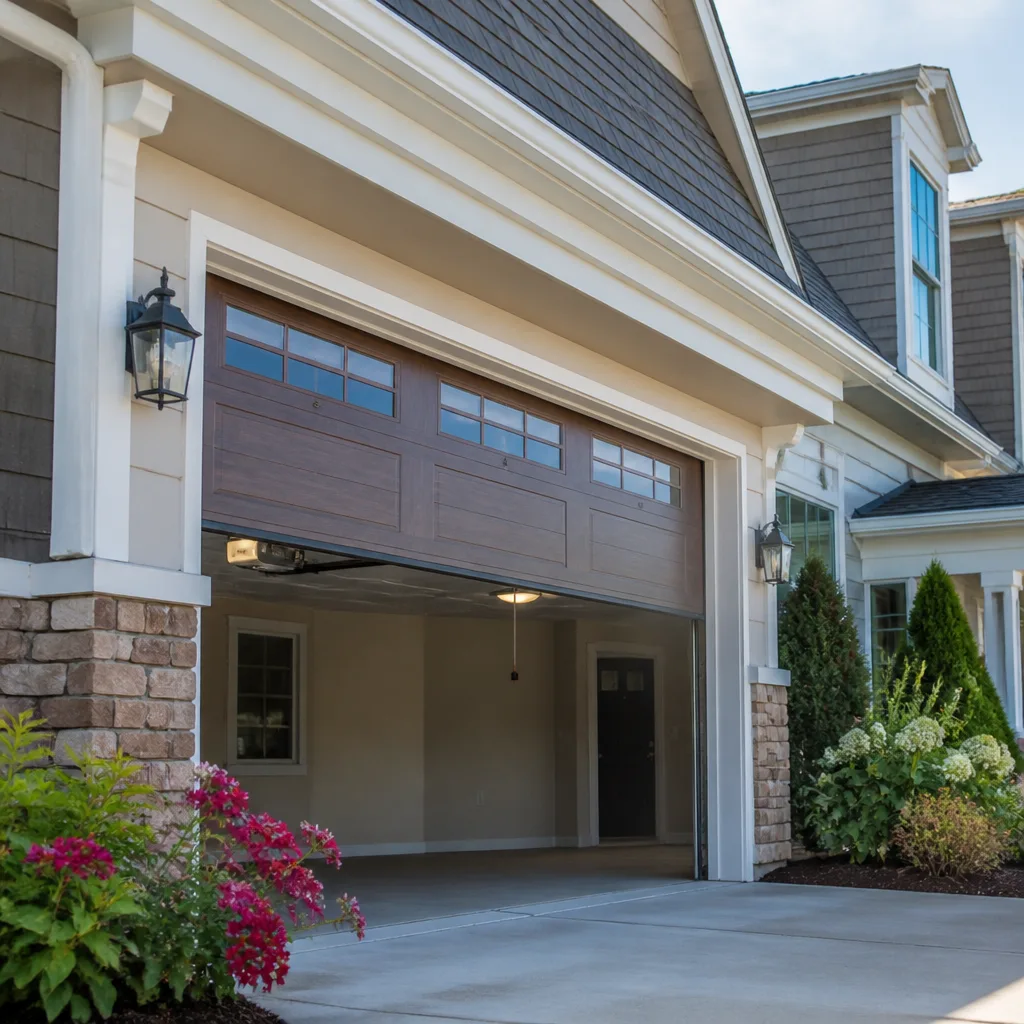 Chamberlain openers
Full 25-point door and opener safety check with every visit - springs, cables, rollers, tracks, and your LiftMaster or Chamberlain opener included
You get a price before we start. It does not change when the pro arrives.
Get your free estimateGarage Door Warning Signs: A Hamilton Homeowner’s Reference Guide
A garage door that takes two button presses to close isn’t a quirk. It’s usually a safety sensor or a logic board giving you a fixed window to act before the door stops responding entirely. Most warning-sign guides jump straight to the dramatic stuff: the snapped spring, the door that won’t budge, the opener that’s completely dead. Those are end-stage failures. We wrote this guide for the earlier signals, the ones Hamilton homeowners notice, mention to themselves, and then dismiss for another few months. Here’s what each subtle sign actually predicts, and why catching it early keeps the repair smaller.
Quick Answer
The most important garage door warning signs in Hamilton are a door that needs more than one press to close, a grinding or popping noise that changes pitch, visible fraying at the cable drum, one side of the door lagging behind the other, and swollen wood at the bottom panel. Each of these points to a specific component (safety sensor, opener logic board, roller, cable, spring balance, or door panel) and each gets more expensive the longer it runs. Anything involving springs or cables is a stop-driving-and-call situation.
Styles & brands we work with
- Raised-panel steel
- Carriage house
- Modern flush
- Full-view glass
- LiftMaster openers
- Chamberlain openers
Table of Contents
- What the Noise Is Telling You: Grease vs. a Roller About to Fail
- Why Your Opener Works Sometimes and Not Others
- Reading Cable Wear: Fraying Patterns That Matter
- A Door That Closes Faster on One Side
- Humidity and Wood Doors in Hamilton
- Safety Sensor Signals You Shouldn’t Ignore
- Brand-Specific Quirks Worth Knowing
- Common Mistakes to Avoid
- When to Call a Professional
- Frequently Asked Questions
What the Noise Is Telling You: Grease vs. a Roller About to Fail
Not all grinding is the same, and the difference matters more than people realize. A low, steady rumble that develops over weeks is almost always a lubrication issue at the hinges, rollers, and torsion shaft bearings. A sharper grind, or a rhythmic pop that speeds up as the door travels faster, is a different animal. That’s the sound of a roller that’s worn flat on one side and is dragging against the track instead of rolling through it. Keep running it and the roller shatters, which drops that side of the door and can bend the track panel.
Here’s how we tell them apart before the door even comes apart:
- Listen for consistency. A uniform rumble that follows the door the whole way up is lubrication. A pop or snap that repeats on every revolution of one roller is that roller.
- Watch for a wobble. If the door shakes laterally as it travels, a roller has lost its round shape or the hinge is loose.
- Check the track for shavings. Metal filings or dark streaks inside the vertical track mean the roller is grinding its way through.
- Feel the door at the midpoint. A door that vibrates when you push up on the middle indicates worn rollers or a bent track.
For Hamilton homeowners with doors that face a garage door that runs on an exposed south-facing track, the seasonal expansion and contraction actually amplifies roller noise in late summer. It’s not a defect; it’s physics. But it makes it harder to distinguish “leave it alone” noise from “call now” noise, so use the checklist above rather than your gut. If you’re not sure, garage door repair puts a trained eye on the components and tells you which one is which. We’ve been on enough Hamilton doors to know the pattern inside the first minute.
Why Your Opener Works Sometimes and Not Others
An opener that works every time but one is the most misdiagnosed symptom in the business. The homeowner replaces the remote battery, then the remote, then the wall button. Then it works for a week, then it doesn’t. And they’re back where they started, minus $40. Here’s what intermittent failure actually usually indicates, in order of likelihood:
- RF interference. New LED bulbs in the opener, a new Wi-Fi router, a smart meter, or a neighbor’s newer opener on the same frequency can all cause dropouts. If the trouble started the same week you changed something in the garage, that’s a strong clue.
- Logic board degradation. The opener’s logic board is the low-voltage brain of the unit. Solder joints, capacitors, and the terminal screws on older garage door opener repair units degrade with heat, and warmer months make the intermittent behavior worse. This is what most “it works, but not always” diagnoses resolve to.
- Wiring faults. The low-voltage wire running from the wall button to the opener can loosen at the terminals or, in doors that face salt-free but humid areas, corrode at a splice. That’s not a battery problem.
- Travel-limit settings drifting. If the opener thinks the door is already at the top when it isn’t, it will refuse to move. This reads as “doesn’t respond” but it’s actually a limit switch.
- Remote battery, genuinely. Last on the list, not first. But yes, sometimes.
We’ve traced intermittent failures on Chamberlain and Genie units in Hamilton to everything from a bad wall button to a failing logic board that eventually left the door locked open mid-driveway. The point is that “works sometimes” is a diagnostic hint, not a verdict. It should prompt a check of the whole chain before anyone starts swapping parts.
Reading Cable Wear: Fraying Patterns That Matter
Garage door cables are the ones that hold the door’s tension load, and unlike a spring, wear is visible. But not all wear is equal. There are basically three visual states, and they mean very different things:
- Clean and smooth. Normal. Leave it alone. Every few months, wipe down the drum and inspect. You’ll know what healthy looks like.
- Surface oxidation only. A dull gray or brownish film on the outer strands, no broken wires, no burrs, no frayed ends. This is fine. It’s cosmetic and usually means the door hasn’t been used much or the cable has been sitting. A clean rag and a light wipe is the whole treatment.
- A single broken strand poking out from the bundle. Immediate stop. This is the pattern that means the remaining strands are now carrying a load they were never sized for, and a catastrophic failure is coming. Do not operate the door. Do not drive under it. Call for service.
- A birdcage or “overwind” at the drum. The cable has wrapped over itself and built a pile at the side of the drum. Same response: stop the door and get a technician.
Cables are one of the two non-negotiable “do not touch this yourself” components on a garage door (the other is the torsion spring). We say that plainly because the numbers behind it are unforgiving. A single turn of a torsion spring under the wrong circumstances can send a 200-plus-pound door crashing, and a cable under load will lash. If your Hamilton door has any of those last two visual states, empty the garage door of the car and call a professional. This is one area where DIY is not just risky, it’s a bad bet against physics. We handle both torsion and extension spring repair, and springs are what trained technicians work on, not what homeowners learn by watching a video.
A Door That Closes Faster on One Side
This is a garage door warning sign that gets misdiagnosed in almost every online troubleshooting guide. A door that descends at a visible tilt, one corner hitting the concrete before the other, or that seems to “lean” in the side track as it goes down, is almost never a track problem. It’s a spring balance problem. Each side of a two-spring door has its own spring, and when one is winding down faster than the other, the door tracks disproportionately. The result looks like a bent track.
What happens if you ignore it:
- The lagging side’s roller wears faster. Uneven load on one side accelerates roller wear, and eventually that roller fails.
- The cables on the faster side get slack and can jump the drum or birdcage.
- The track gets pushed out of square by the door pressing against it, which is why so many homeowners call us convinced they have a bent track when they actually have two uneven springs.
- The opener works against the imbalance, and the extra force eventually takes out the logic board or the gear assembly.
- Eventual failure. Springs rarely fail from a single event; they fail after months of uneven load.
If you look at the door mid-travel and the bottom edge is visibly off horizontal, call it in. Replacing both torsion springs together (matched pairs from lift, because an unbalanced door just wears the new ones unevenly) is the standard fix, and it’s a same-visit repair. If both springs are getting old, replacing them before a failure is far cheaper than calling after a car has been trapped under a door.
Humidity and Wood Doors in Hamilton
Wooden garage doors fail in a specific, predictable sequence, and each stage predicts the next. Hamilton’s humid summers and cold winters give wood doors a lot of swing to handle, and the earliest signs happen before anything visible to a passerby:
- Swelling at the bottom panel. The panel is the closest to the concrete slab, the most moisture-exposed, and the first to absorb ambient humidity. Look for the panel taking on a slightly rounded, softer appearance and the wood grain standing up. This is the “act now” moment.
- Paint failure. Once the wood is holding moisture, paint develops hairline cracks and eventually peels in sheets from the bottom up. Cracking paint is not just cosmetic; it lets in water faster.
- Seal failure. The bottom weather seal dries, hardens, and stops sealing. Water and insects get behind the door, and the first 6 inches of every panel takes on damage.
- Panel warping. This is the expensive stage. Once a wood panel has warped enough to misalign with its neighbors, the door can’t be sealed properly and one panel replacement often can’t do the job (because the others have matched the warped shape).
For any Hamilton homeowner with a wood panel door, the practical advice is: check the bottom panel every spring, and if you see swelling, get the door re-sealed before the paint starts failing. If your door is at the warping stage, a new door is usually the better money. That’s an garage door installation conversation, and it’s worth having before the winter framing gets cold and stiff. A door that no longer seals at the bottom costs you on heating, and it also means the door can’t protect the garage from pests.
Safety Sensor Signals You Shouldn’t Ignore
The photo-eye sensors at the bottom of the track are the safety system that stops the door from crushing something (or someone). They fail in ways that talk. The classic sign is a door that reverses mid-close for no visible reason, but there’s a subtler one: a door that closes fine on the first press and reverses on the third. That’s usually a sensor alignment issue that’s a hair out of line, and it drifts with temperature.
What to check, generally:
- The sensor light. Steady light on both units means aligned. Blinking means misaligned or a fault. No light at all usually means the wiring or the sensor itself.
- Sunlight. If the door only reverses at certain times of day, the sun is hitting one sensor directly. This is common on Hamilton east- and south-facing doors. It’s a sensor placement problem, not a door problem.
- Spider webs and dust. The lens needs a wipe. This reads as a false trip.
- A misaligned bracket. A slightly bumped track bracket moves the sensor off-center. Check that both sensors point straight at each other.
- Wiring at the terminals. A loosened screw at the sensor is one of the most common intermittent failures we see.
Photo-eye failure is one of the most common reasons Hamilton doors get stuck open. If your door only reverses on the first press and works on the second, get it looked at. Even a mismatched sensor fault is cheap to fix and expensive to ignore.
Brand-Specific Quirks Worth Knowing
We work on your brand, whatever’s already in your garage. Having seen a broad range of equipment, we’ve found each manufacturer leaves its own small signature on common warning signs:
- Chamberlain: Wi-Fi-connected models often log intermittent failures to their phone app rather than flashing an error code on the panel. Check the app before assuming the remote is dead.
- Genie: Older units are known for noisy chains. A Genie chain grind is usually a chain lubrication or sprocket wear item, not a spring.
- Clopay: Wood-look doors often have steel-backed panels where the backing can rust invisibly behind the wood skin. That’s a panel replacement call, not a spring.
- Amarr: Many Amarr doors use a proprietary roller track profile. A generic aftermarket roller can run rough on an Amarr door, which produces a grind that sounds like a failing opener but is actually roller geometry.
Whatever brand your door is, though, there’s a good chance we’re familiar with it and can make a same-day diagnosis possible. Our technicians have up to 11 years of experience, and the diagnostic method is the same no matter what’s bolted to your ceiling.
Common Mistakes to Avoid
- Spraying silicone on everything. Light grease on rollers and hinges is fine. Silicone on torsion springs or cables is not; it hides corrosion you need to see.
- Assuming the remote is the problem. Almost every intermittent-failure call starts with the homeowner having already replaced the remote. Test the wall button before you buy anything. If the wall button works and the remote doesn’t, it’s the remote. If both are flaky, it’s the opener.
- Forcing a misaligned door closed. If the door won’t close and the sensor shows no fault, do not force it. A door that’s off-balance under partial spring load is dangerous to push down.
- Replacing one spring instead of the pair. When one spring of a matched pair fails or winds down, the other is close behind. Replace both or the door wears unevenly and you’ll do it again sooner.
- Ignoring the bottom of a wood door until it’s warped. The bottom panel is the first to show humidity damage. By the time you notice a warp, you’re looking at a panel or door replacement, not a reseal.
- Calling a generalist for a spring. Many general handymen decline spring work, which leaves the homeowner to call again. Call a specialist the first time and save the second call.
- Letting a bent track stay bent. A track that’s genuinely out of alignment is a door straight-down-and-bend-the-day call, not a leave-it-and-see call.
When to Call a Professional
Call a professional when the warning sign involves spring tension, cables, or a door that’s no longer running on both spring sides evenly. Springs and cables are the two categories where DIY is a genuine hazard: a wound torsion spring stores enough energy to break bones, and a loaded cable can lash through skin. Don’t touch either. Call a professional when the door won’t close at all after a sensor check, when the opener has stopped responding on the wall button, or when the door is visibly out of balance.
For a door that’s no longer reliable at any of the above, Hamilton Garage Door Repair Pros offers free estimates in Hamilton. Call (855) 502-5595 and we’ll tell you what a trained diagnostic says instead of a guess from a video. Our team works on the specific mechanism in your garage, and the estimate comes before any work starts, so you know what you’re getting into before it begins. If the door’s failure is urgent – trapped car, door stuck open, door hanging off its track – emergency service is available.
Frequently Asked Questions
The most common signs in Hamilton are a door that needs multiple presses to close, a grinding or popping noise that changes as the door travels, and visible fraying at the cable drum. A door that closes faster on one side is also common and is usually a spring balance issue, not a track problem. If the door is wood and the bottom panel looks swollen, that’s a humidity warning worth acting on before it becomes panel warping.
An opener that works intermittently usually points to RF interference, a degrading logic board, wiring at the wall button or sensor terminal, or travel-limit drift. The remote battery is the least likely cause, even though it’s the first thing most homeowners replace. A diagnostic visit distinguishes these cases in a single call.
Grinding is usually a roller, hinge, or lubrication issue and is normally a same-day diagnosis and repair. A grinding door that has started to wobble or that has visual metal shavings in the track may need a roller replacement or a track adjustment, which is also a same-visit fix. Call (855) 502-5595 and we’ll book a diagnostic; estimates are free.
Spring repair cost depends on the door weight, spring type, and whether one or both springs need replacing. Because the price is quoted on-site after we look at the mechanism, we don’t quote it blind over the phone. What we do commit to is that the price is agreed before any work starts. Call (855) 502-5595 for a free estimate.
The local professionals we connect you with are licensed and insured as the state requires. We also work on both the door system and the drive system, so a spring repair, a cable fix, and an opener fault can all be resolved in one visit, not a handoff between companies. Call (855) 502-5595 for a free estimate.
Yes. We service Clopay and Amarr doors, along with Chamberlain openers and the rest of the major residential brands (LiftMaster, Genie, Wayne Dalton, Craftsman, and Raynor). Brand familiarity means fewer surprises on the first visit, and it means we know which components on your door are likely to fail first.
A single broken strand on a cable, a birdcaged cable at the drum, a spring that’s clearly failed, or a door that’s visibly hanging off its track are stop-now signs. Grinding that’s uniform, a slightly slow close, or a swollen wood panel at the bottom are act-soon signs. When in doubt, treat a spring or cable warning as urgent and call.
The Bottom Line
Most garage door failures aren’t sudden. They announce themselves weeks or months in advance: a second button press, a grind that changes pitch, a cable with a single frayed strand, a door that closes faster on one side, a wood panel swelling at the bottom. Each of those signals is a prediction, and each is cheaper to act on than the failure it precedes. Springs and cables are the two categories you don’t handle yourself. Everything else is a diagnostic call. If you’re not sure which category your warning sign falls into, call Hamilton Garage Door Repair Pros at (855) 502-5595 for a free estimate and a straight answer before the repair gets bigger.
Written by the team at Hamilton Garage Door Repair Pros.
See the difference
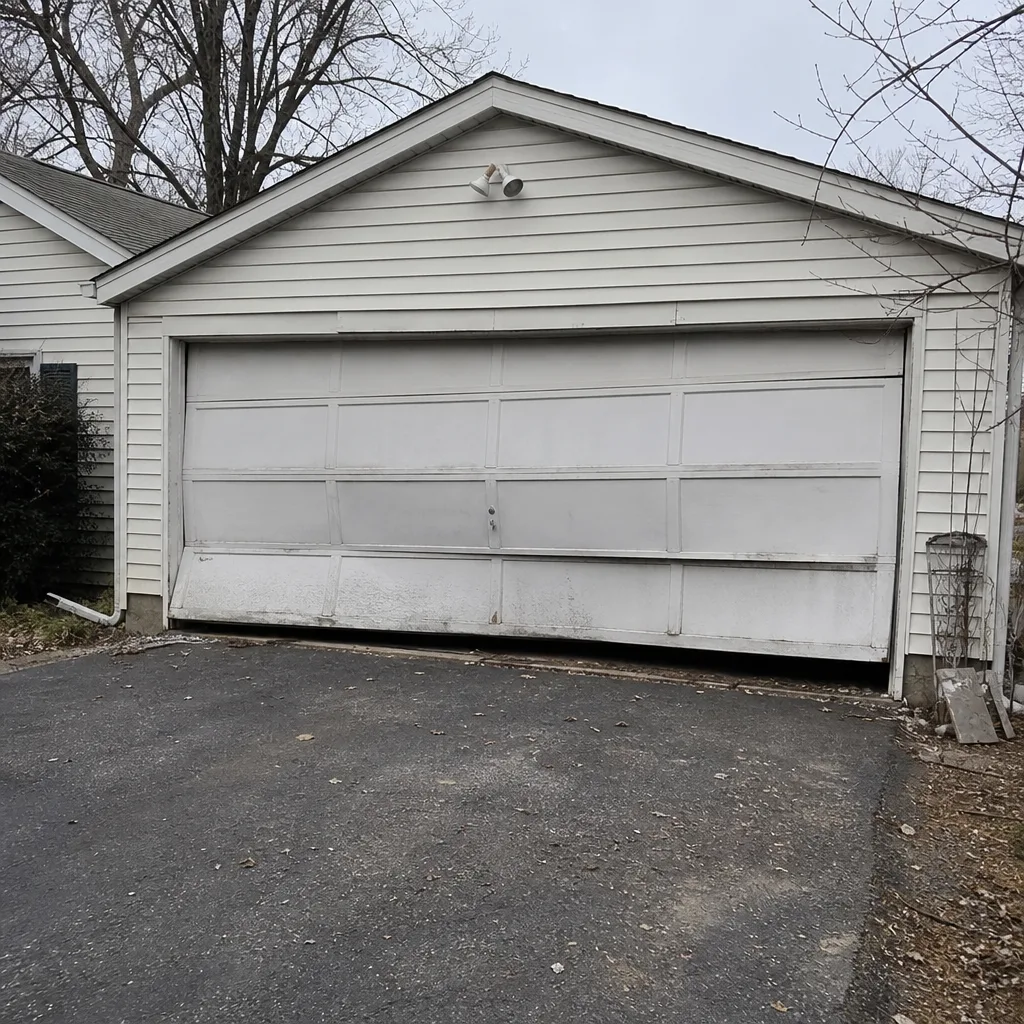 Before
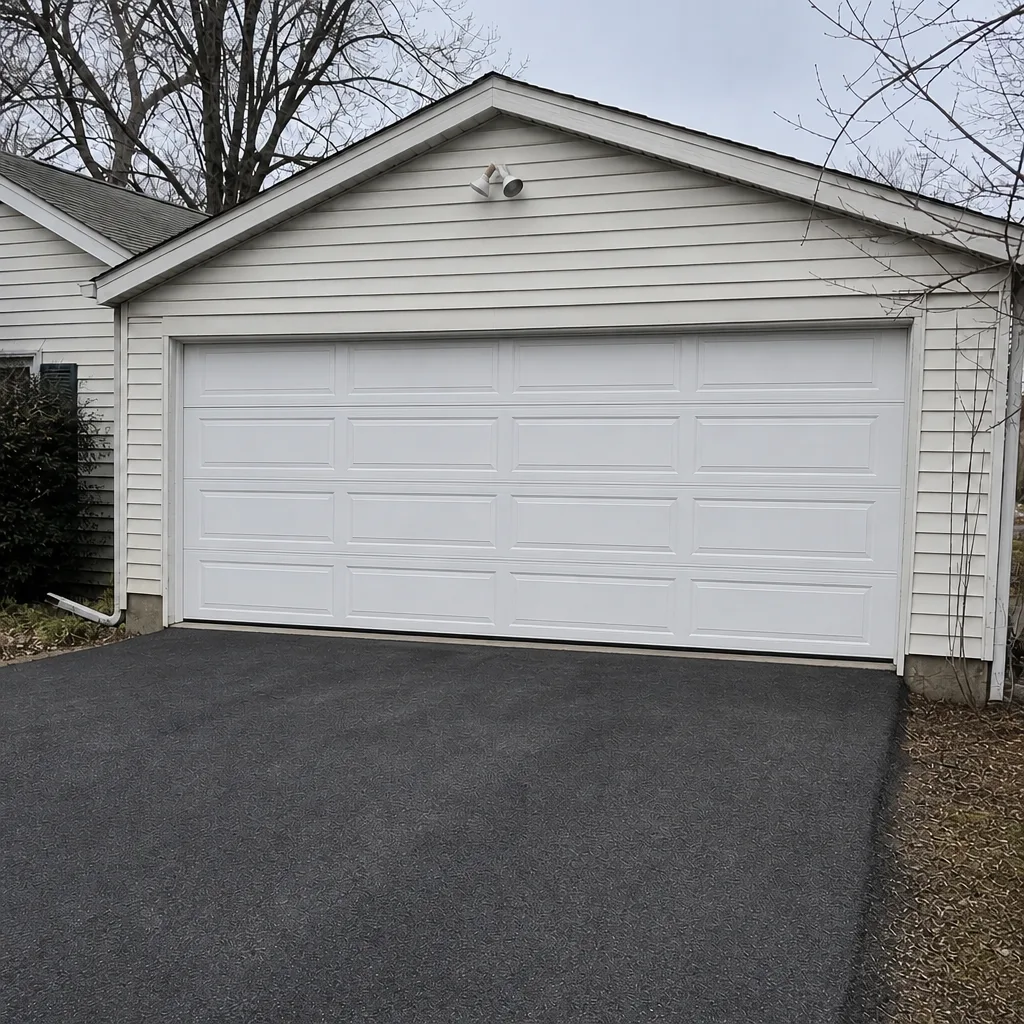 After
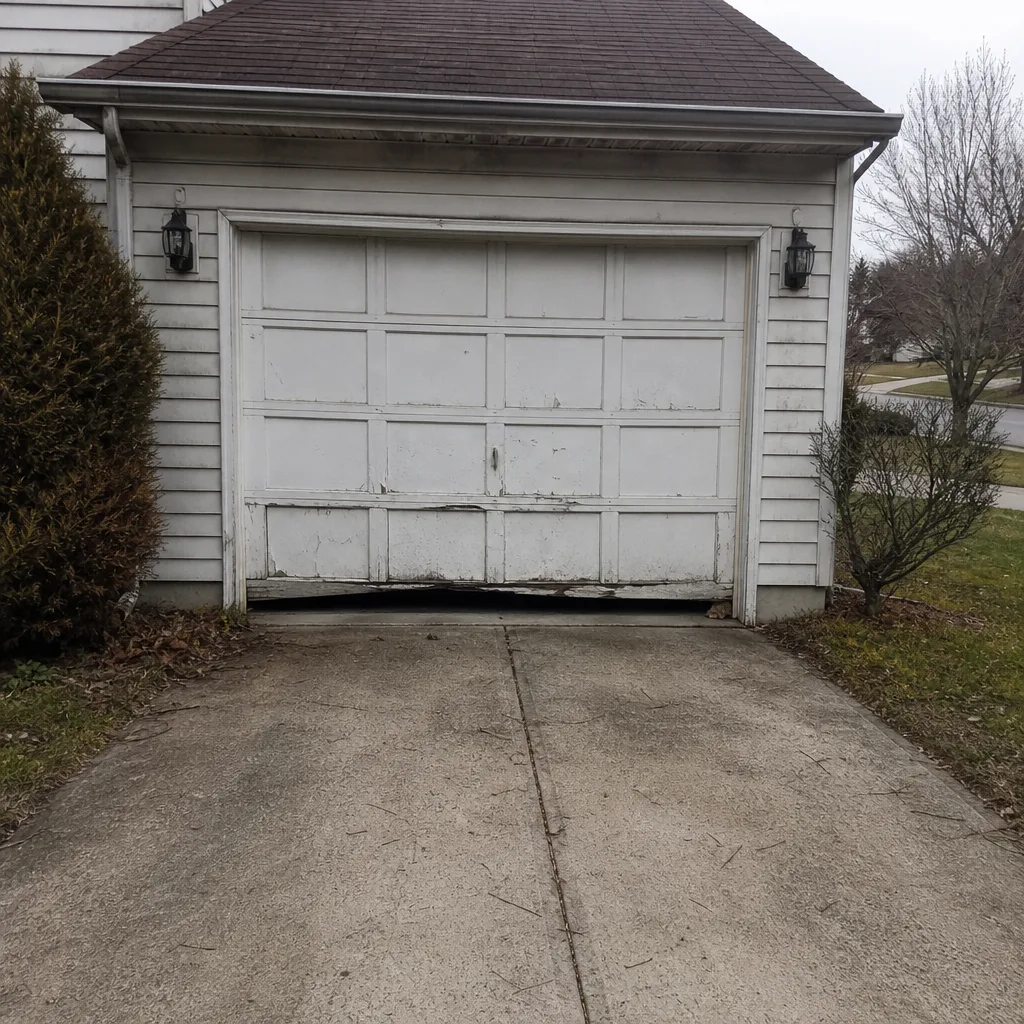 Before
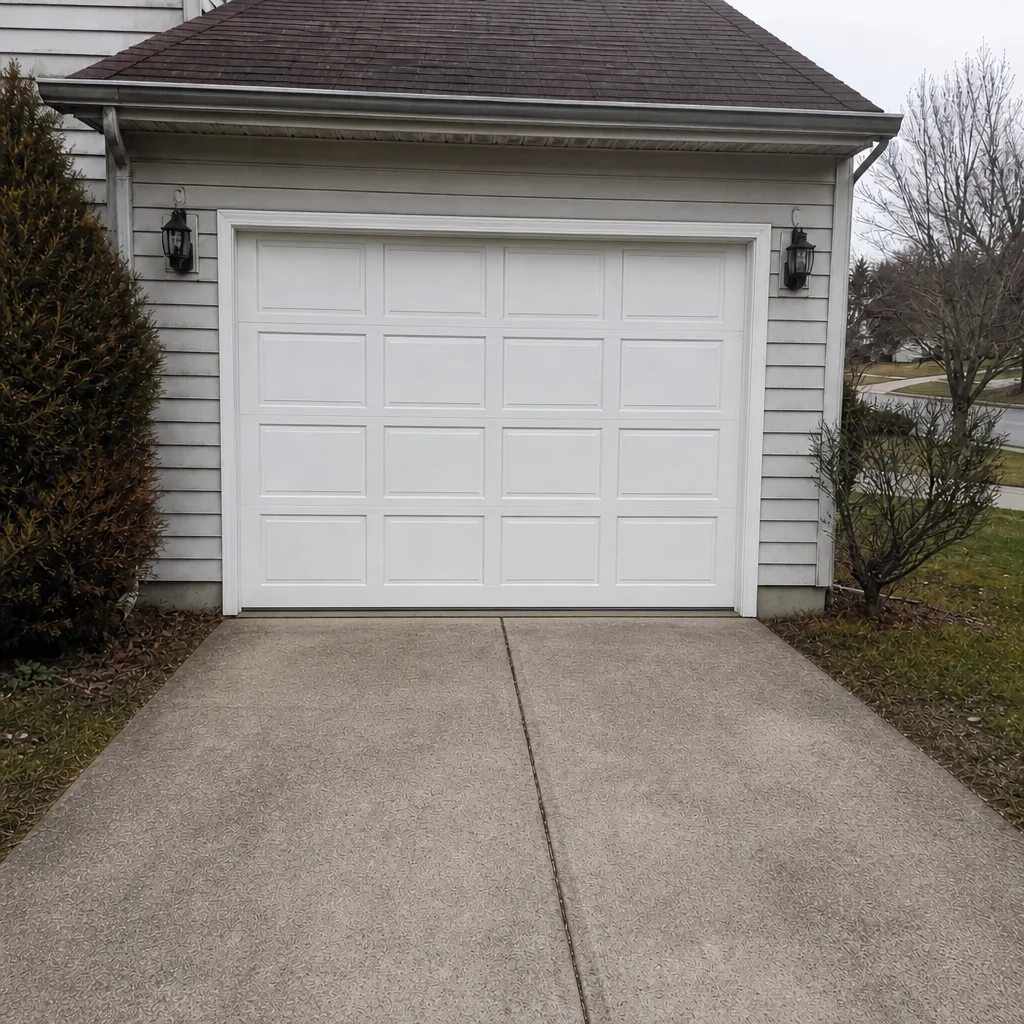 After
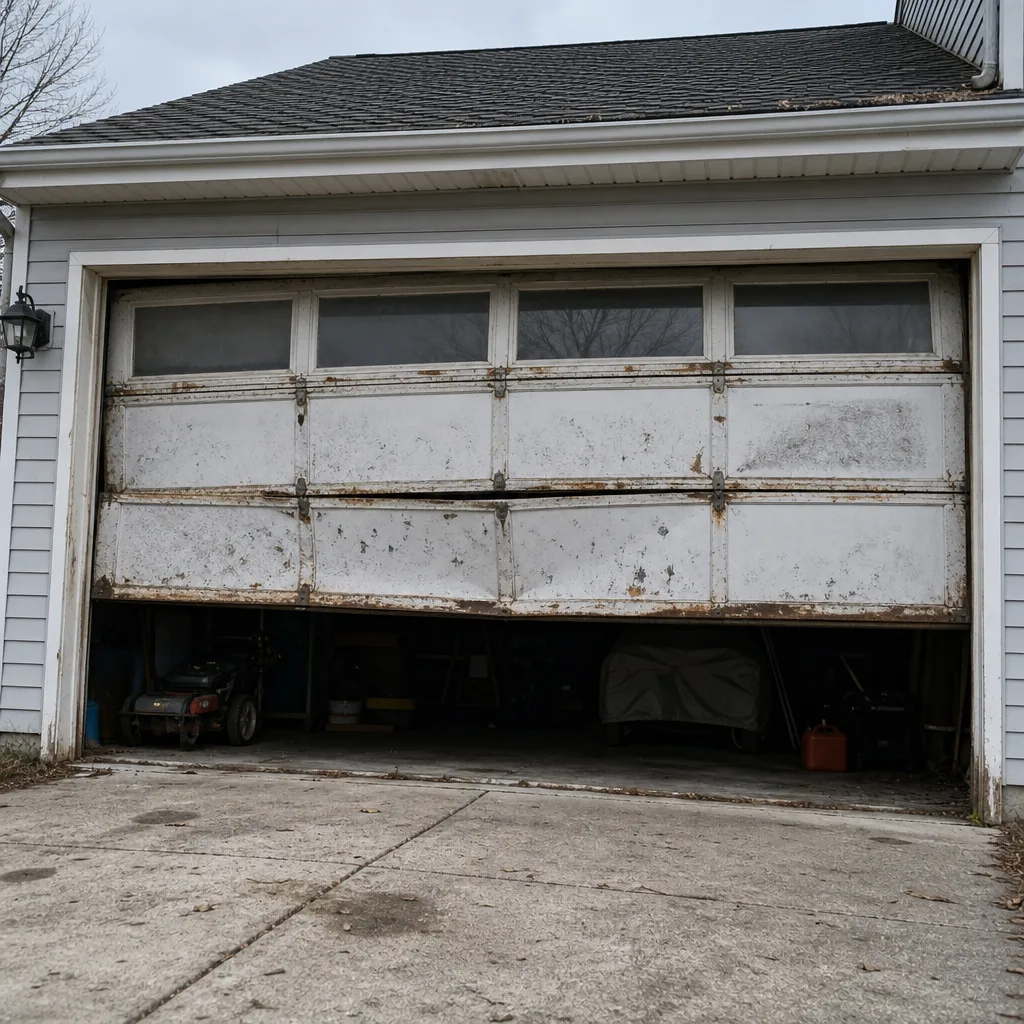 Before
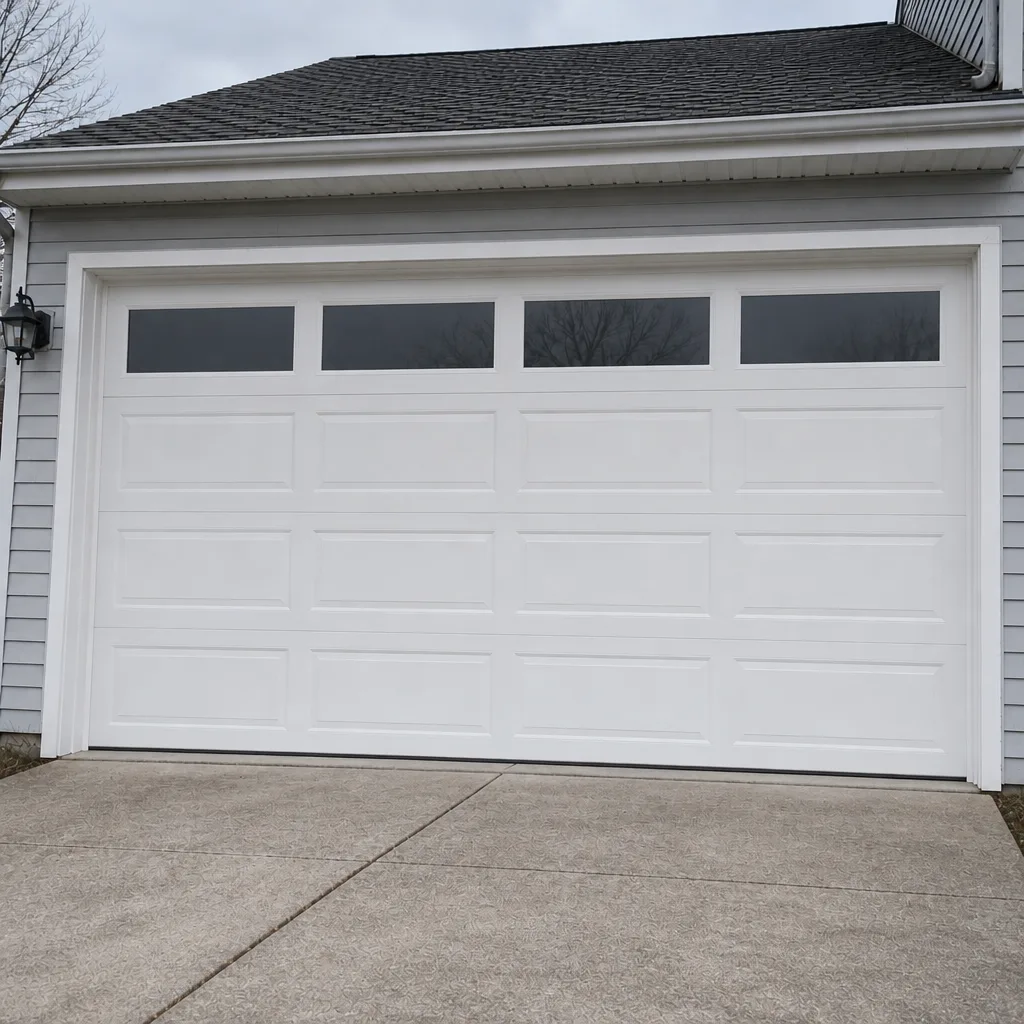 After