Last updated November 21, 2026
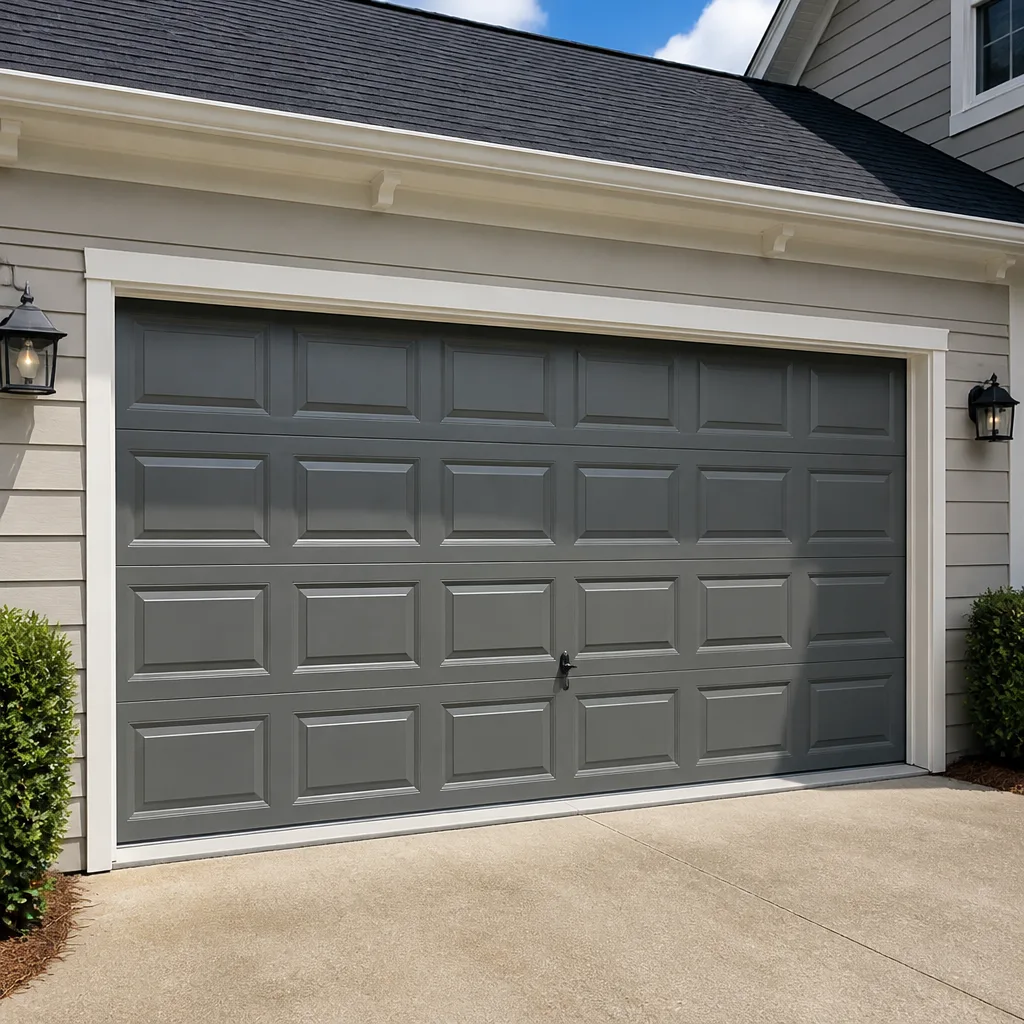 Raised-panel steel
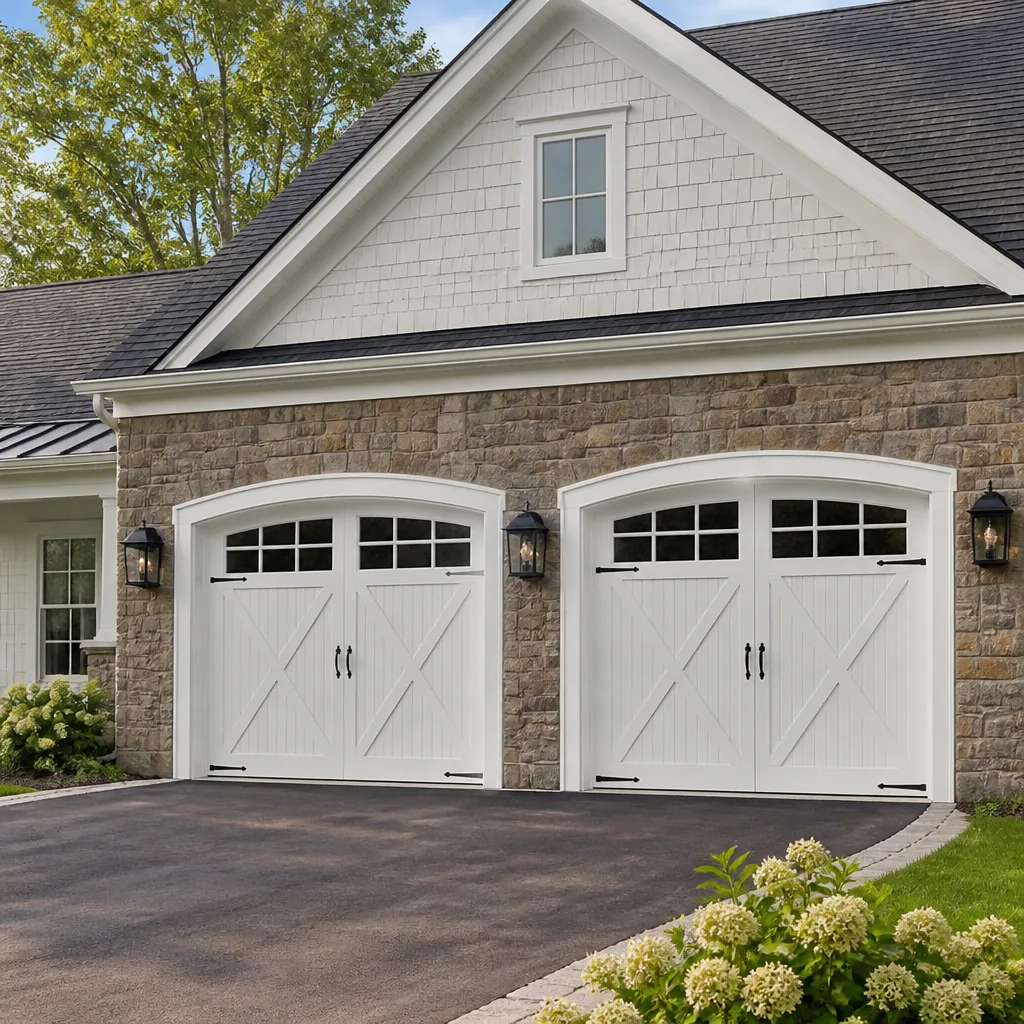 Carriage house
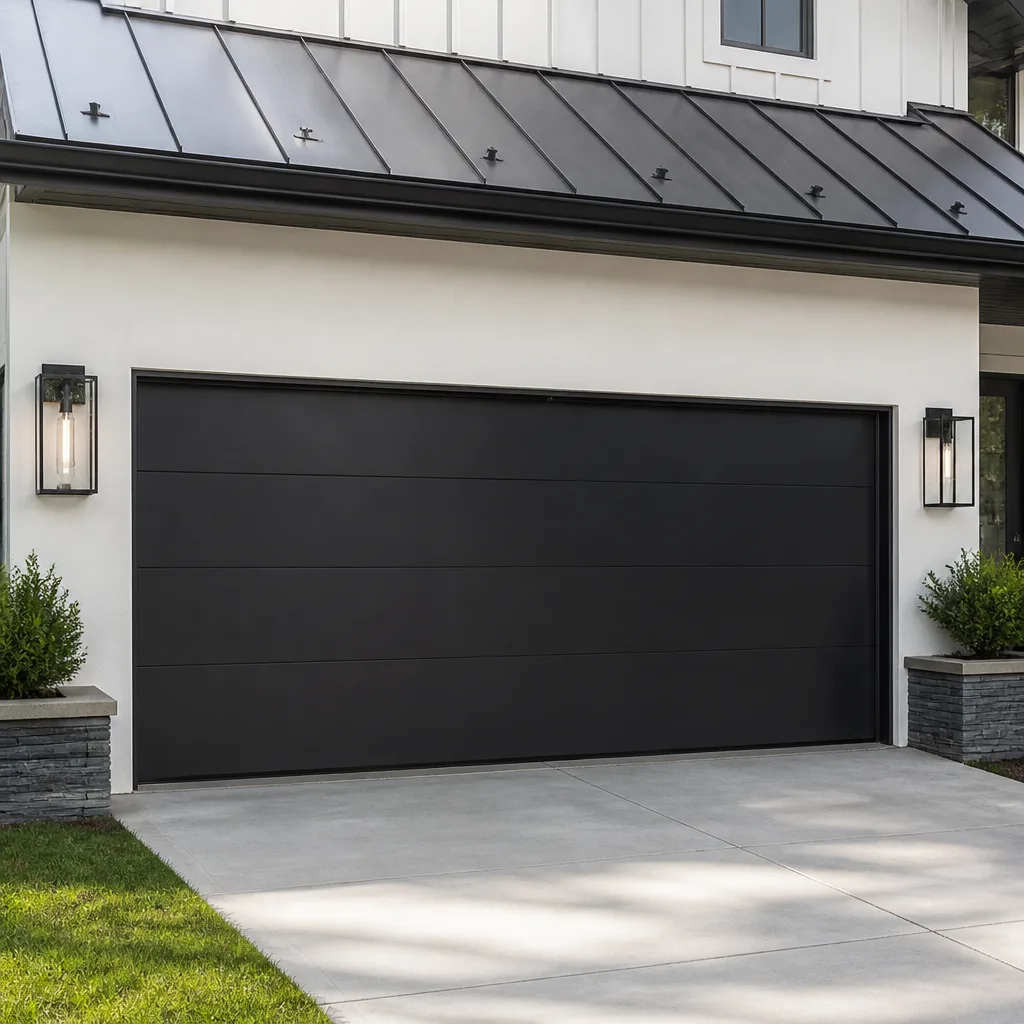 Modern flush
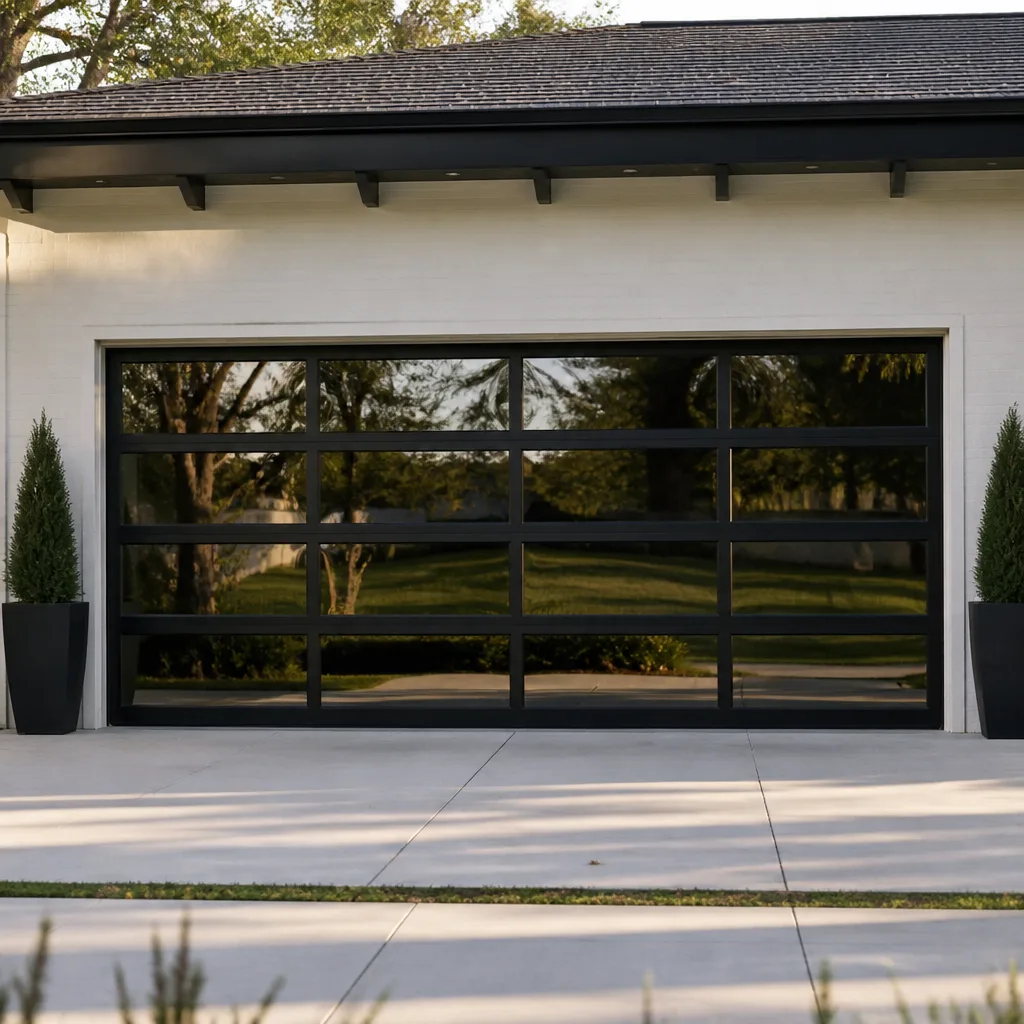 Full-view glass
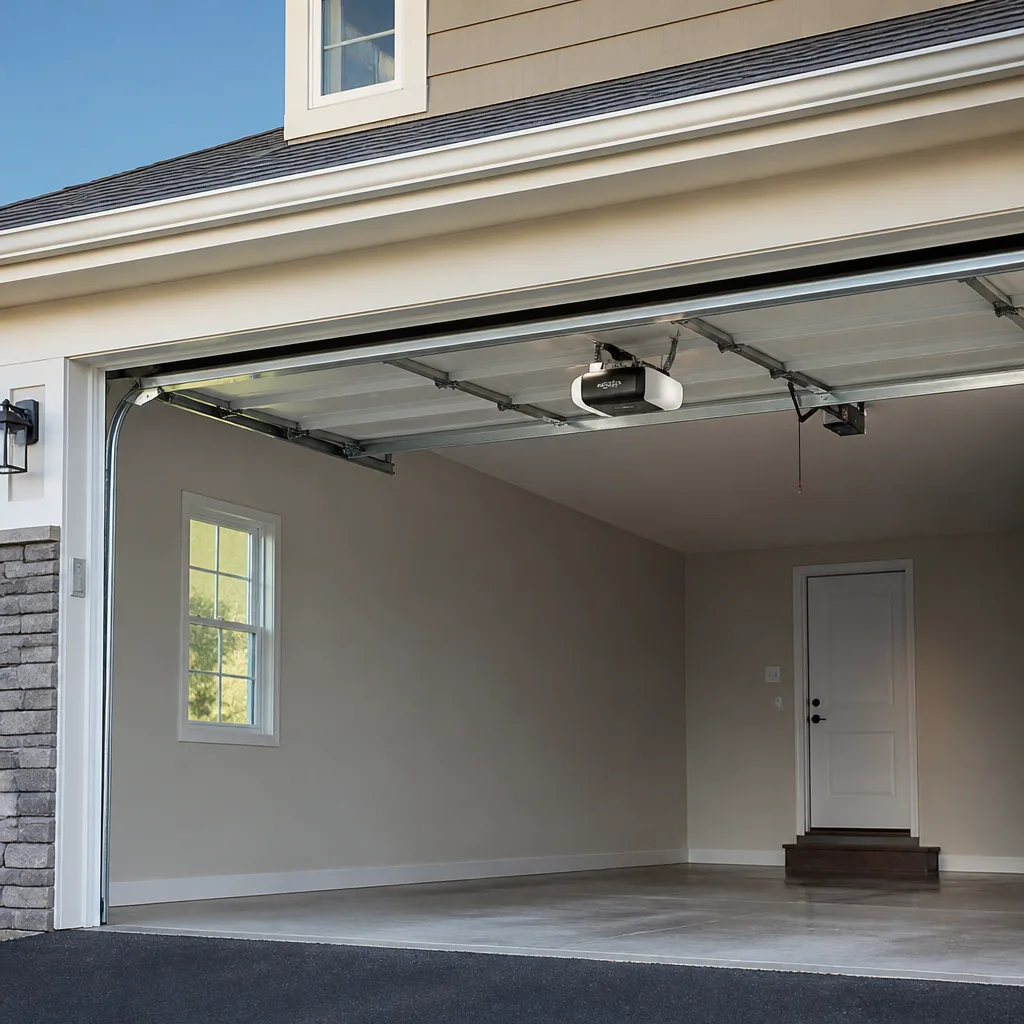 LiftMaster openers
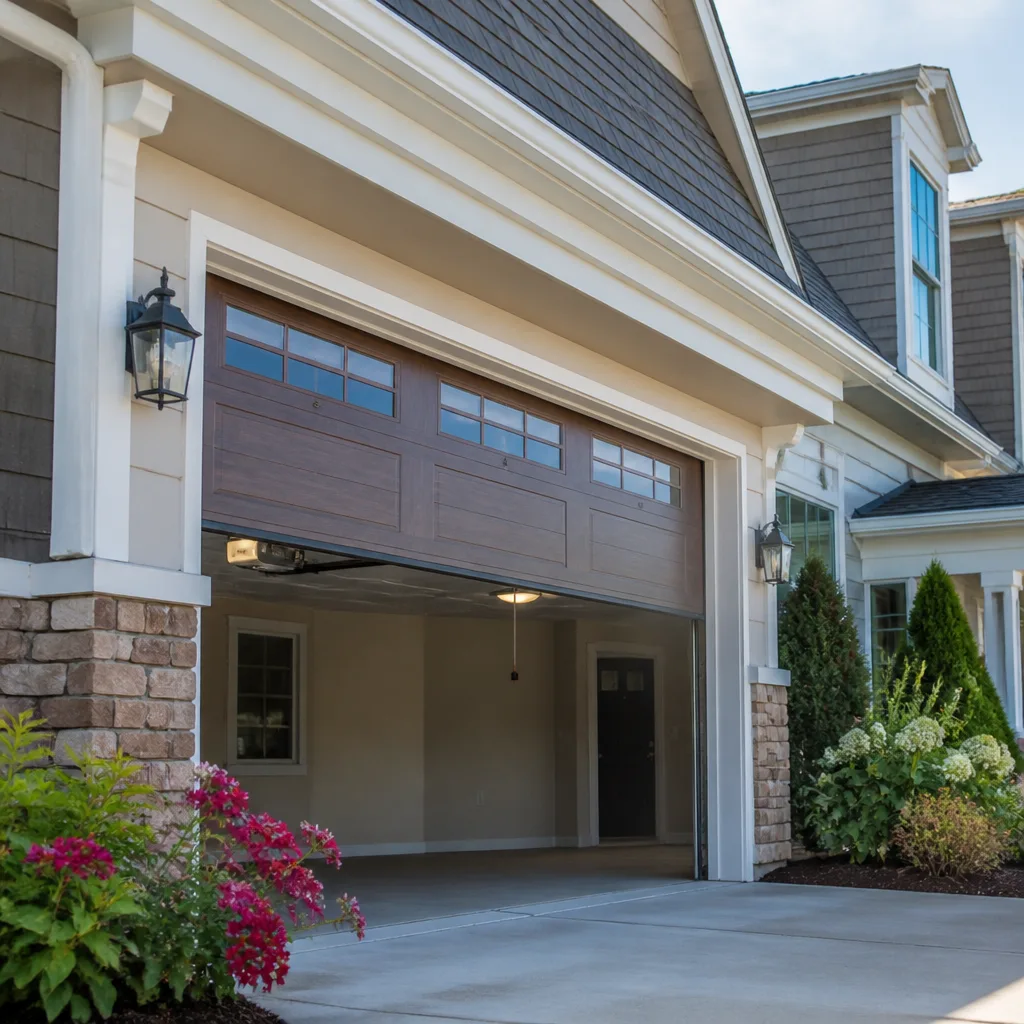 Chamberlain openers
Full 25-point door and opener safety check with every visit - springs, cables, rollers, tracks, and your LiftMaster or Chamberlain opener included
You get a price before we start. It does not change when the pro arrives.
Get your free estimateChoosing the Right Garage Door Brand: A Buyer’s Guide for Hamilton
The door that looks best in a showroom isn’t always the door you’ll be happiest owning five years from now. Most brand guides are written by dealers pushing whatever sits in their warehouse, which is why they all seem to point toward the same answer. We take a different view. In Hamilton, where a door has to survive freeze-thaw cycles, humid summers, and the occasional hard storm, the brand that wins is the one you can still get parts for when something snaps. This guide walks you through how to judge a brand by its parts ecosystem, its climate performance, its warranty language, and its real resale value – not by a glossy brochure.
Quick Answer
For most Hamilton homeowners, the right garage door brand is the one with a strong local parts supply, steel rated for Mid-Atlantic humidity, and a warranty that actually pays for panels and finishes rather than just the frame. Clopay, Amarr, and Raynor are solid choices for that balance, while brands like LiftMaster, Chamberlain, and Genie dominate the opener side. The best door is the one your local technician can still service quickly in five years when a spring or panel fails.
Styles & brands we work with
- Raised-panel steel
- Carriage house
- Modern flush
- Full-view glass
- LiftMaster openers
- Chamberlain openers
Table of Contents
- How to Evaluate a Brand’s Parts Ecosystem Before You Buy
- Climate-Specific Materials: What Holds Up in Hamilton
- Warranty Language That Actually Matters
- Matching Your Door Brand to Your Opener
- Resale Value Reality in Hamilton’s Housing Market
- Questions to Ask Before You Commit to a Brand
- The Service Reality: What Happens When Something Breaks
How to Evaluate a Brand’s Parts Ecosystem Before You Buy
The single most overlooked factor in choosing a garage door brand is whether you’ll be able to get a replacement panel, hinge, or roller three to seven years from now. A door is a mechanical system, and mechanical systems wear out. A brand with thin distribution can mean weeks of waiting when a single panel gets dented or a cable snaps. That delay matters more in Hamilton than in places where the weather is gentler, because the freeze-thaw cycle here is tough on hardware and moving parts.
Here’s how to judge a brand’s parts ecosystem before you commit:
- Ask about panel lead times. When a door gets hit or dented, the replacement panel is the piece that takes longest to source. A brand with a well-stocked regional distributor can usually deliver a matching panel quickly. Ask your installer how long a single panel replacement typically takes for that brand.
- Check local distributor stocking. Some brands have distribution that reaches into the Mid-Atlantic quickly; others route through national warehouses and slow down. Ask whether the brand has a distributor that stocks Hamilton-area inventory, or whether every part is a special order.
- Look at the hinge and roller hardware. Standard hardware is easier to replace than proprietary fittings. Brands that use common, interchangeable hardware are easier to keep alive long-term than brands with unique fasteners.
- Confirm spring and cable compatibility. Springs and cables are the parts that fail most often. A brand whose spring system uses standard torsion hardware is far easier to repair quickly than one with unusual extension assemblies.
- Ask about discontinued models. Some brands cycle designs every few years, which can leave older doors without matching panels. Ask how long the brand typically keeps a model’s parts available.
The brands we work with most often – Amarr, Raynor, Clopay, Wayne Dalton, and the opener side including LiftMaster, Chamberlain, Genie, and Craftsman – all have workable parts pathways, but they aren’t identical. A conversation with your installer about lead times tells you more than any spec sheet.
Climate-Specific Materials: What Holds Up in Hamilton
Hamilton’s climate is a real test for a garage door. Cold winters bring repeated freeze-thaw cycles that work on seals, hinges, and springs. Humid summers push moisture against steel and can degrade cheap finishes and low-grade insulation. A door built for a mild, dry climate doesn’t perform the same way here, so the material spec matters as much as the brand name.
Here’s what to compare:
- Steel gauge: Thicker steel resists dents and holds its shape better through temperature swings. The difference between a thin, budget panel and a heavier-gauge panel shows up in how the door sounds and how it wears. Ask your installer what gauge the door uses, because marketing terms like “insulated” don’t tell you the steel thickness.
- Finish and coating: A baked-on, multi-layer finish resists humidity and rust far better than a thin single-coat paint. In a humid Mid-Atlantic summer, a cheap finish is where you’ll see bubbling or rust first.
- Insulation type: Polyurethane insulation generally performs better than polystyrene in hot and cold extremes, and it stiffens the panel. For an attached garage in Hamilton, insulation also affects how warm or cool the space stays, which matters if the garage shares a wall with the house.
- Seals and weatherstripping: The best door still needs good bottom seals and perimeter weatherstripping to keep out drafts and moisture. These wear out over time and are easy to replace, so check what the brand uses and how available the replacement seals are.
- Wood and composite options: Wood doors look great but demand more care in a humid climate. Composite and steel-backed options hold up better with less maintenance.
In our experience across Hamilton, the doors that age best are the ones with heavier steel, a quality finish, and good weatherstripping – not necessarily the most expensive brand on the page. Climate performance is a materials question more than a logo question.
Warranty Language That Actually Matters
Warranty language is where brands hide the differences that matter most. “Limited lifetime” sounds reassuring until you read what it actually covers. Two brands can both advertise a lifetime warranty and mean very different things, so read the fine print before you sign.
Here’s what the common warranty terms really mean:
- Lifetime panel warranty: Covers the door panels against defects for as long as you own the door. This is often the most valuable warranty term, because panels are the expensive, visible part of the door and the hardest to replace. Check whether it transfers to a new owner; if you plan to sell, a transferable panel warranty is worth more.
- Lifetime finish warranty: Covers the paint or finish against peeling, cracking, or fading. In a humid climate, this term earns its keep. A finish that fails early leads to rust, and a finish warranty that covers that failure is worth real money.
- Limited lifetime: The word “limited” usually means the coverage excludes labor, excludes certain parts, or prorates over time. A limited lifetime warranty is still valuable, but understand what’s excluded before you count on it.
- Labor warranty: This is separate from the product warranty and often much shorter. A great door warranty means little if the installer’s labor warranty is short. Ask both questions.
- Hardware and spring coverage: Springs, hinges, and rollers are the parts most likely to fail. Check what the brand warrants and for how long.
Ask your installer to walk you through the warranty line by line, not just the headline number. The warranty is only as good as the coverage behind it, and a quick read of the exclusions tells you what you’re really getting.
Matching Your Door Brand to Your Opener
Matching your new door brand to your existing opener is a real consideration, but not always the one people assume. The opener and the door are separate systems that talk to each other through sensors, safety features, and sometimes smart-home integrations. When those systems are compatible, setup is clean. When they aren’t, you can end up with small annoyances or, in the worst case, a safety feature that doesn’t work as intended.
Here’s how to think about it:
- Safety sensors matter most. The safety reverse system must work correctly with the door. If you’re replacing a door but keeping an older opener, make sure the sensor and reversal system are tested after the new door goes in. This is a safety issue, not a convenience one.
- Smart-home integrations are brand-specific. If you want app control or smart-home routines, the opener brand usually drives that, not the door brand. LiftMaster and Chamberlain (the same parent company) have their own ecosystems; Genie has its own. Mixing brands here can mean losing features.
- Mixing is fine for the physical parts. A door brand and opener brand don’t have to match for the door to lift and close. Plenty of Hamilton homes have a Clopay or Amarr door paired with a LiftMaster or Chamberlain opener, and that combination works fine.
- Mixing can complicate smart integrations and diagnostics. The long-term headaches come when you want features that depend on both systems talking. If you’re someone who wants app control, matching brands within an ecosystem usually pays off.
- When in doubt, plan the whole system together. If you’re replacing the door and the opener is old, it often makes sense to plan the full mechanism at once, which also avoids paying for installation twice.
We service products from all the major door and opener brands, so we’ve seen mixed systems work well and we’ve seen them cause friction. If you’re replacing both the door and the opener, deciding on brands together saves headaches later. If you need help with the opener side specifically, our garage door opener repair team can look at what you have and explain what will work with it.
Resale Value Reality in Hamilton’s Housing Market
A garage door is one of the highest-return exterior upgrades a home can have, but not every premium feature moves the needle at resale. Buyers and appraisers respond to the fundamentals: a functioning door, a clean look, good curb appeal, and an opener that works. The premium upgrades are where the returns start to flatten out.
Here’s what tends to matter and what tends not to:
- What buyers notice: The door’s curb appeal, how quiet and smooth it operates, and whether the opener works cleanly. A well-maintained mid-range door in good condition reads positively to almost any buyer.
- What appraisers respond to: The door is part of the appraised value of the home and lot. A newer, correctly installed, insulated door on an attached garage generally counts in your favor. Condition and function matter more than brand name.
- What doesn’t move the needle as much: High-end decorative hardware, premium wood finishes, and top-tier insulation on a detached garage that’s used for storage. These are nice to have, but a buyer won’t pay a premium for them the way you paid to add them.
- What hurts resale: A door that’s noisy, dented, or slow. Buyers read that as deferred maintenance. A slightly older door in good working condition sells better than a premium door that’s broken.
- The Hamilton-specific angle: Homebuyers here care about how a door holds up through winter and summer. A door with a solid warranty and clear service history reads as a well-maintained home, which matters to buyers comparing similar properties.
If you’re choosing a brand with resale in mind, the fundamentals – a quality finish, insulated panels, and a serviceable parts ecosystem – are worth more than any single premium feature. Our team at Hamilton Garage Door Repair Pros can walk you through what holds up in this market before you commit.
Questions to Ask Before You Commit to a Brand
Before you sign anything, ask the questions that reveal real serviceability. The answers separate a brand that’s easy to own from one that becomes a headache. Use this as a checklist when you sit down with an installer.
- “How long does a replacement panel take?” This is the single most important question. The answer tells you how quickly a damaged door gets back to normal.
- “Does this brand have a distributor that stocks the Hamilton area?” Local stock means faster repairs. A national-only supply chain means longer waits.
- “What steel gauge does this door use, and what’s the finish?” Thicker steel and a quality finish hold up better through Mid-Atlantic weather.
- “What does the warranty actually cover, and what’s excluded?” Get it in writing. Read the exclusions with your installer.
- “What parts are most likely to fail first, and how available are they?” Springs and cables are the usual suspects. Ask how quickly they can be sourced.
- “Will the safety reverse system work correctly with my opener?” This is a safety question, not a convenience one. Any good installer wants to test it.
- “If I sell my house, does the warranty transfer?” A transferable warranty is worth more to a buyer.
When you have those answers in hand, the brand choice gets much clearer. If you want help comparing options for your specific garage, our garage door installation team can answer each of these for the brands we work with.
The Service Reality: What Happens When Something Breaks
Every garage door eventually needs repair. The question is how quickly and easily that repair happens. This is where brand choice plays out in real life – not in the showroom, but on the day a spring snaps and the door won’t open. A door that’s easy to service gets fixed fast; a door with thin parts support becomes a slow ordeal.
The most common failures are the ones that hit hardest:
- Torsion and extension springs: The most common failure and the most dangerous. Springs store enormous energy and can cause serious injury if handled by someone without training. We do this repair routinely, and it’s not a job for a homeowner with a wrench – the hardware is under high tension and can release violently. Faced with a snapped spring, the right move is to keep hands off and call a trained technician.
- Cables: Under high tension as well, and paired with springs. A frayed or snapped cable should be treated as a safety issue.
- Openers: A dead opener is often a simple sensor or safety-reverse issue, but diagnosis needs the right tools. We handle both entry-level consumer brands like Craftsman and professional-grade systems like LiftMaster and Chamberlain.
- Panels and hinges: Cosmetic damage tends to go with wear, and matching a panel depends on the brand’s parts pathway.
When a door is stuck shut or hanging off its track, it can also compromise home security and trap a car. Emergency service exists for exactly that situation, and it’s a real part of what we do, not an upsell. If your door fails and can’t wait, call on your garage door repair team and we’ll get out as quickly as we can. The price is quoted and agreed before any work begins, so you know what you’re paying before a wrench comes out.
Common Mistakes to Avoid
- Choosing a door by showroom looks alone. A door that wins on looks but loses on parts availability becomes a chore to own. Judge the brand by what happens when a panel or spring fails, not just by the finish in the lighting.
- Ignoring parts lead times. In Hamilton’s climate, hardware wears and fails. A brand with a fast parts pathway keeps the door working; a slow one can leave you waiting weeks for a single panel.
- Assuming “limited lifetime” covers everything. It usually doesn’t. Labor, springs, and hardware often sit outside the main warranty. Read the exclusions before you buy.
- Mismatching a door and opener without checking smart features. Mixing brands is fine for the basic lifting, but if you want app control or smart-home routines, the ecosystem is what matters.
- Skipping the safety reverse test after a new door goes in. A door that lifts and closes looks fine until the safety system fails. Always have the sensor and reversal tested after installation.
- Spending on premium features that don’t hold value. Decorative hardware and top-tier insulation on a detached garage are unlikely to earn back their cost at resale in Hamilton. Put the money into the fundamentals instead.
- Letting an aging opener run a new door without a check. An old opener can work harder than it should to lift a heavier new door. Have both systems evaluated together so you don’t strain the opener.
See the difference
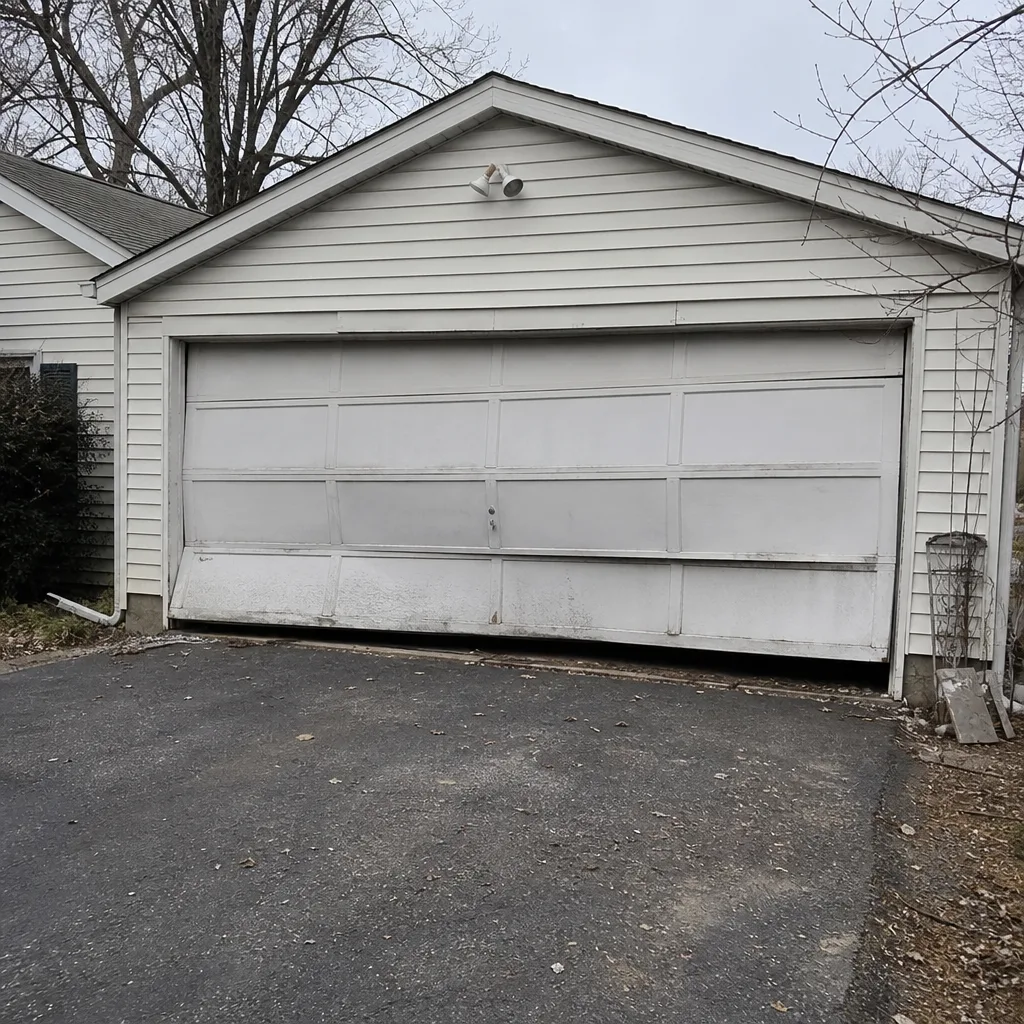 Before
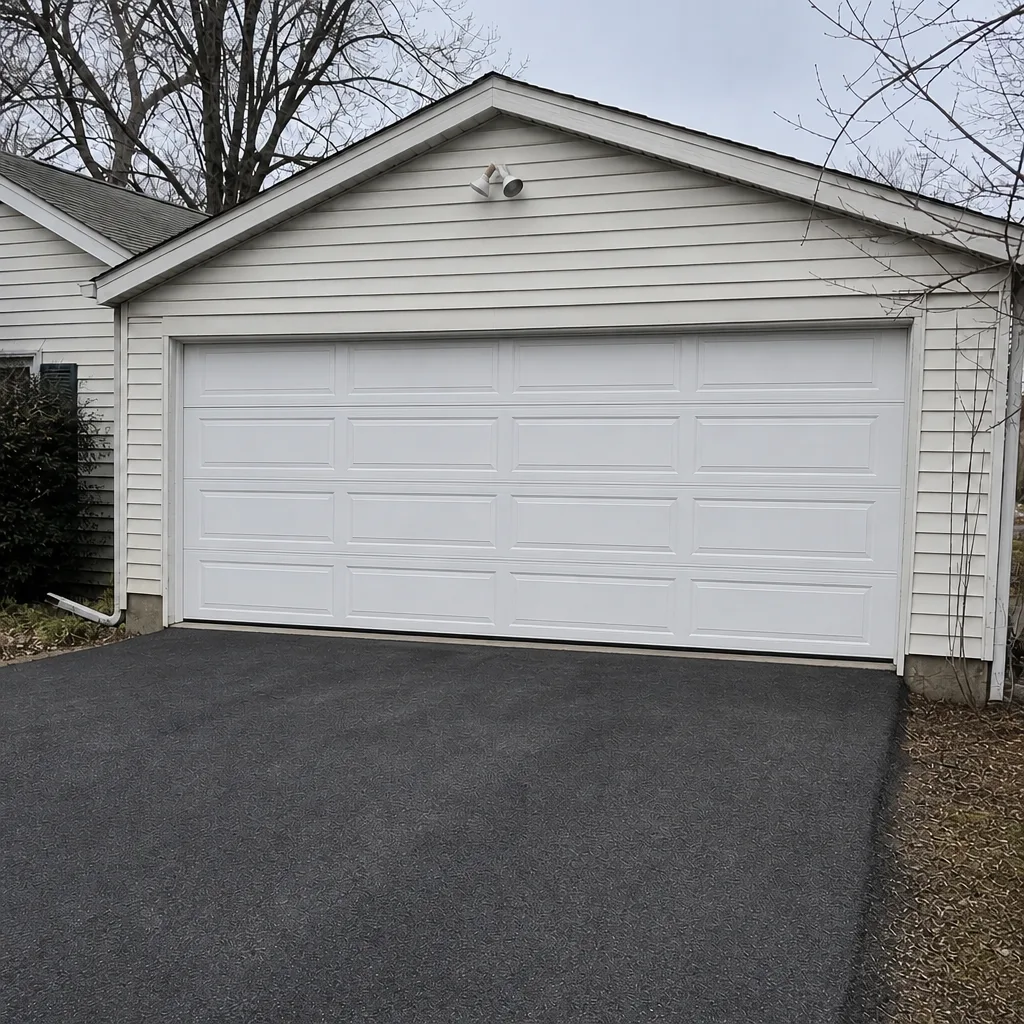 After
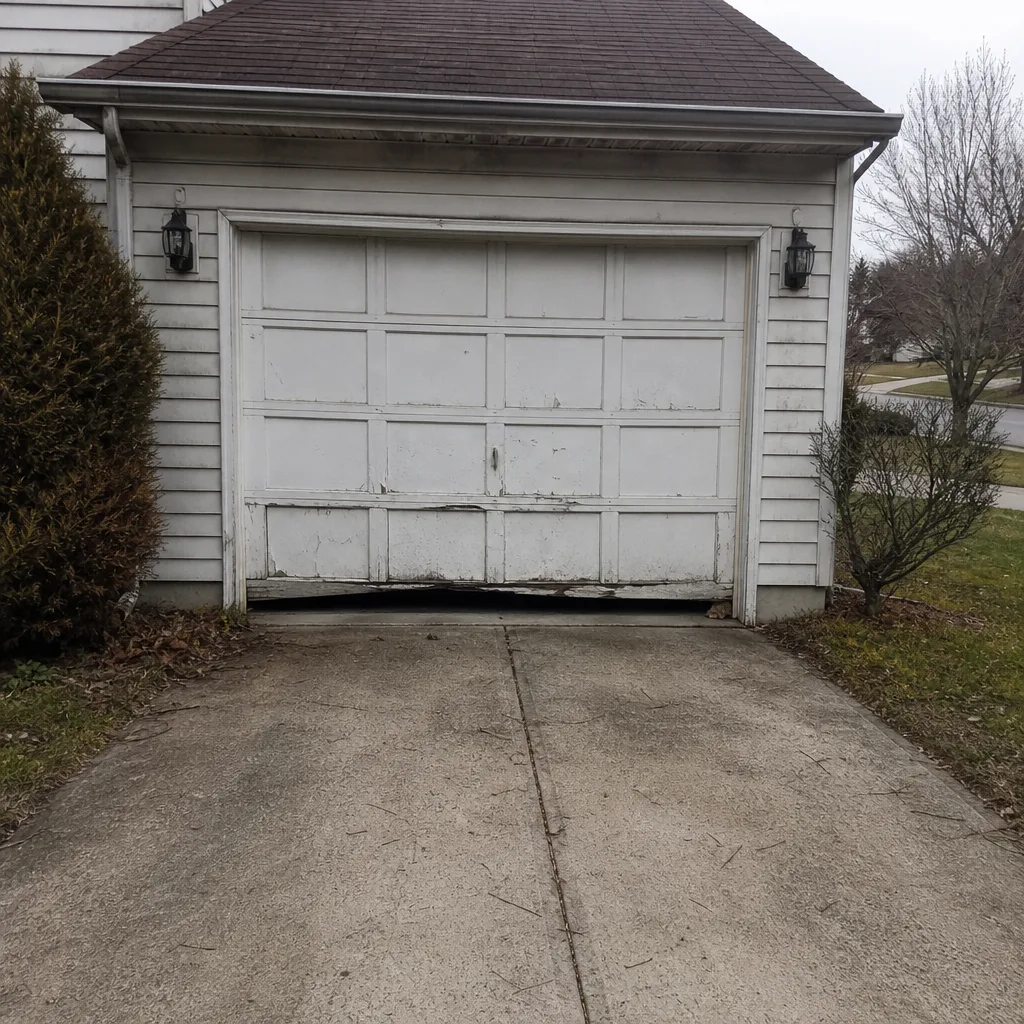 Before
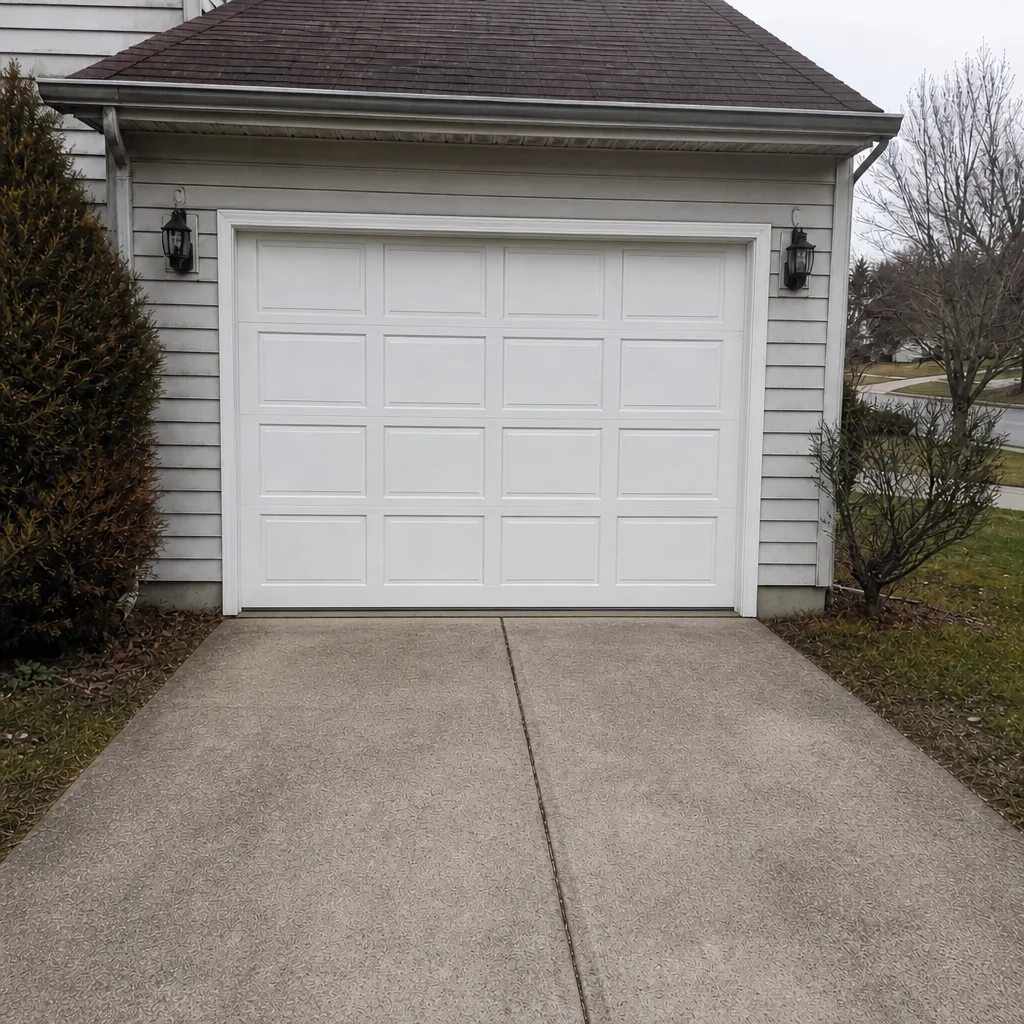 After
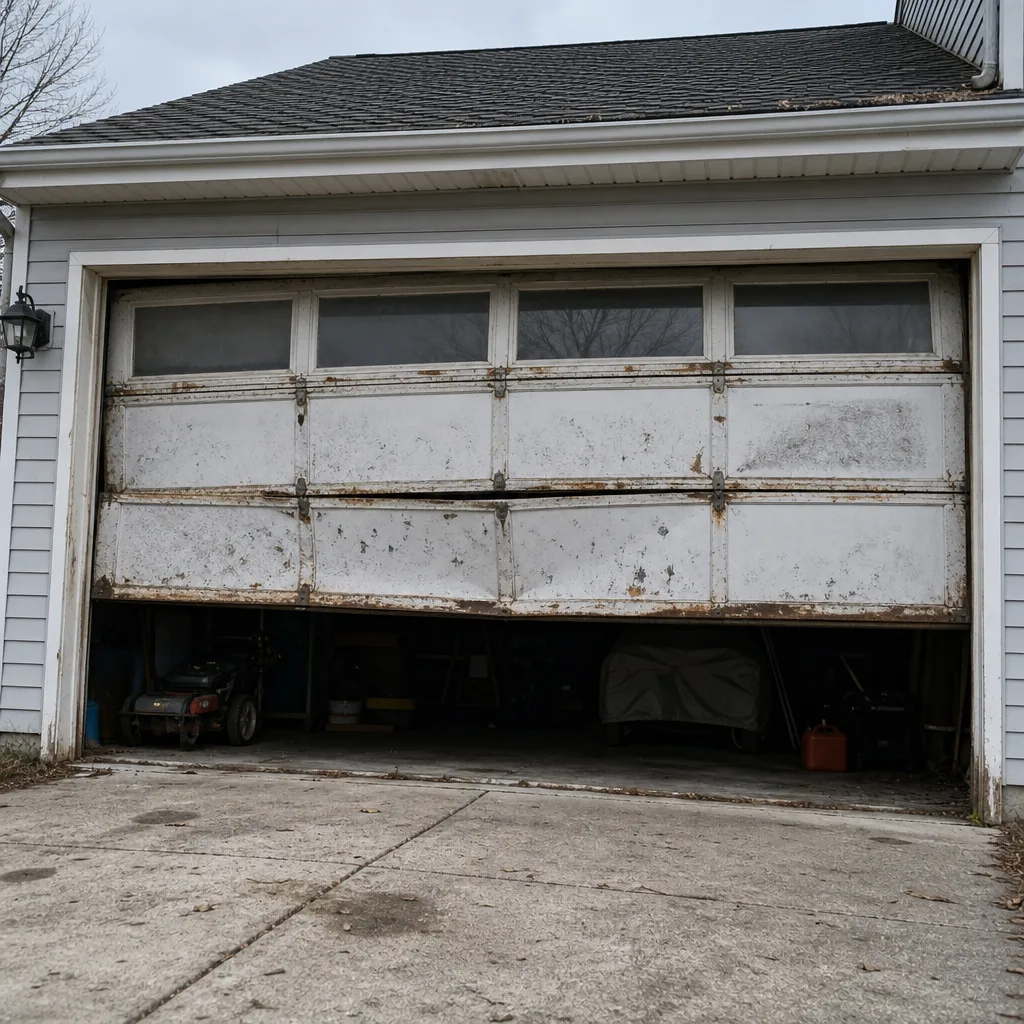 Before
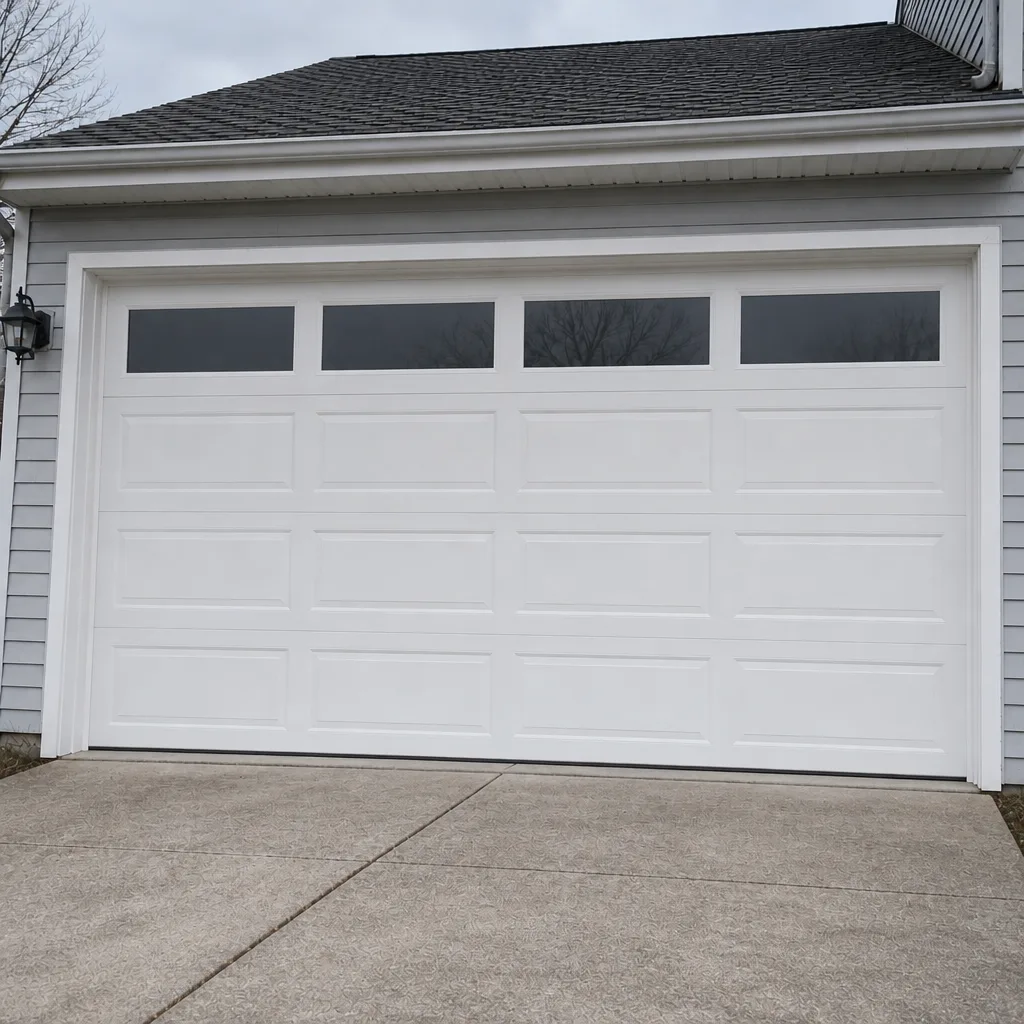 After
When to Call a Professional
Some garage door work is best handled by a trained technician, sometimes right away. Call a professional when a spring snaps or a cable frays – those parts store energy and can injure you. Call when a door is stuck shut or hanging off its track, which can trap a car and leave the house feeling unsecured. Call when an opener dies, when the safety reverse stops working, or when a door has simply reached the end of its life and you’re weighing replacement against repair. Panels, seals, and weatherstripping are common wear items that a technician can assess quickly. Hamilton Garage Door Repair Pros offers free estimates in Hamilton – call (855) 502-5595.
Frequently Asked Questions
A door with heavier steel, a quality baked-on finish, and polyurethane insulation holds up best to Hamilton’s freeze-thaw and humid summers. Clopay, Amarr, and Raynor are solid choices on that front. The brand matters less than the materials and the local parts pathway, so ask about both. Call (855) 502-5595 for a free estimate and we’ll walk through what fits your garage.
Ask about panel lead times, whether the brand has a distributor stocking the Hamilton area, and whether it uses standard hinge, roller, and spring hardware. A brand with a fast parts pathway and common hardware is easiest to keep alive. Almost any brand can sell you a door; the test is what happens when something breaks. Call (855) 502-5595 if you want us to check what’s already on your garage.
For the basic lifting and closing, no – door and opener brands don’t have to match. A Clopay or Amarr door paired with a LiftMaster, Chamberlain, or Genie opener works fine for the physical mechanism. Where matching matters is smart-home integration and app control, which are driven by the opener’s ecosystem. Call (855) 502-5595 and we’ll tell you what works with what.
It varies, but “limited” usually means the coverage excludes labor, prorates over time, or excludes certain parts like springs and cables. Panel and finish warranties are often the most valuable terms. Read the exclusions with your installer before you count on the headline. For a free estimate on a replacement door, call (855) 502-5595.
A functioning, good-looking door generally reads positively to buyers and appraisers, and it’s one of the stronger exterior upgrades you can make. Premium features like decorative hardware and top-tier insulation on a detached garage are less certain to earn back their cost. The fundamentals do more work. Call (855) 502-5595 for a free estimate on what makes sense for your home.
Keep your hands off it and call a trained technician. Torsion and extension springs store enormous energy and can release violently, so this is not a job to attempt without training. We repair both types routinely. If the door is stuck shut, that can also create a security problem, so it’s worth treating as urgent – call (855) 502-5595 for a free estimate and we’ll get out as quickly as we can.
The Bottom Line
The best garage door brand for your Hamilton home is the one with a strong parts pathway, materials that hold up to freeze-thaw and humid summers, and a warranty whose fine print you’ve actually read. Judge a brand by what happens five years from now, not by how the showroom door looks today. Matching your door and opener ecosystem matters for smart features more than for basic lifting. And upgrade the fundamentals – heavier steel, good finish, insulated panels – before you spend on premium features. If you want straight answers about the brands already on your garage, we’re here to help, and there’s no pressure to replace what can be repaired.
Hamilton Garage Door Repair Pros covers repair, opener repair, spring repair, installation, and emergency service across the brands most homes actually have – including Amarr, Wayne Dalton, Raynor, Clopay, LiftMaster, Chamberlain, Genie, and Craftsman. Our technicians have up to 11 years of experience, and we work on your brand, whatever’s already in your garage. Call (855) 502-5595 for a free estimate and upfront pricing before any work begins.
Written by the team at Hamilton Garage Door Repair Pros.