Last updated November 21, 2026
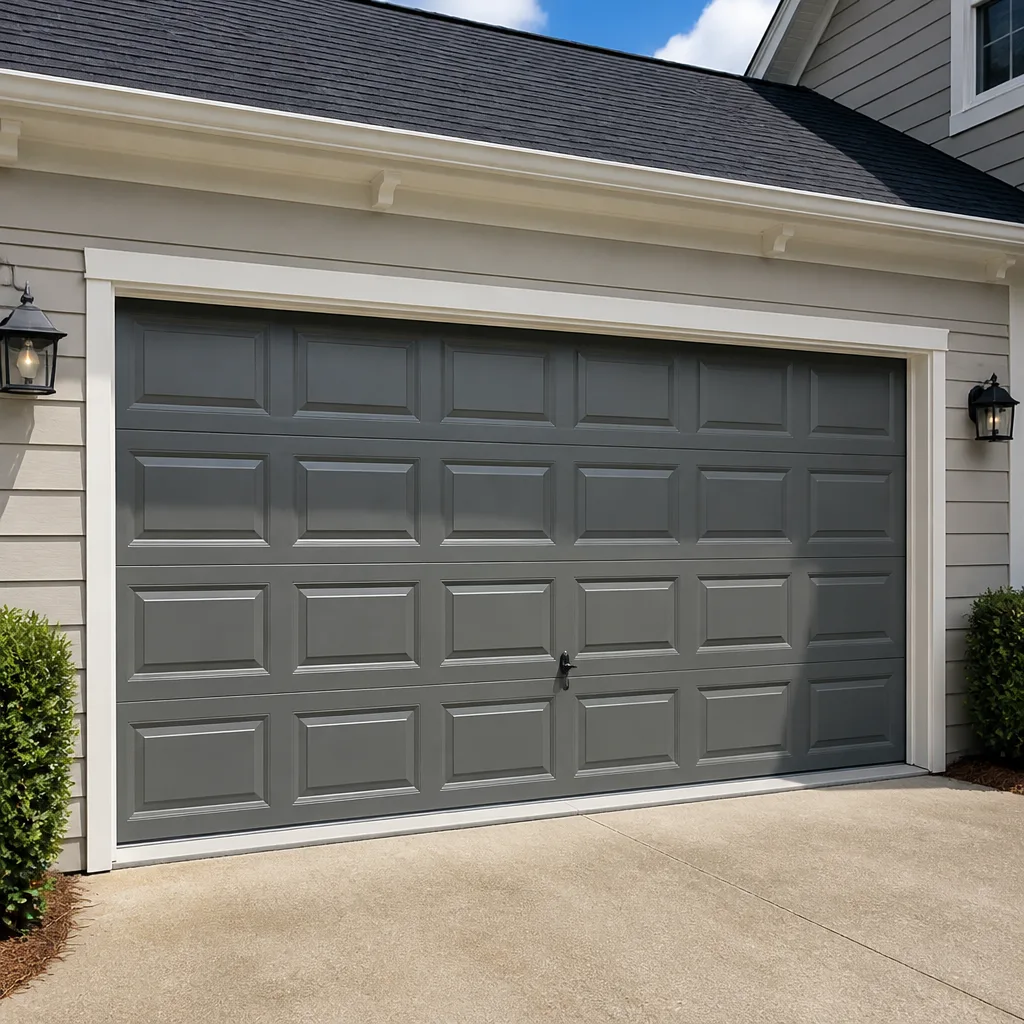 Raised-panel steel
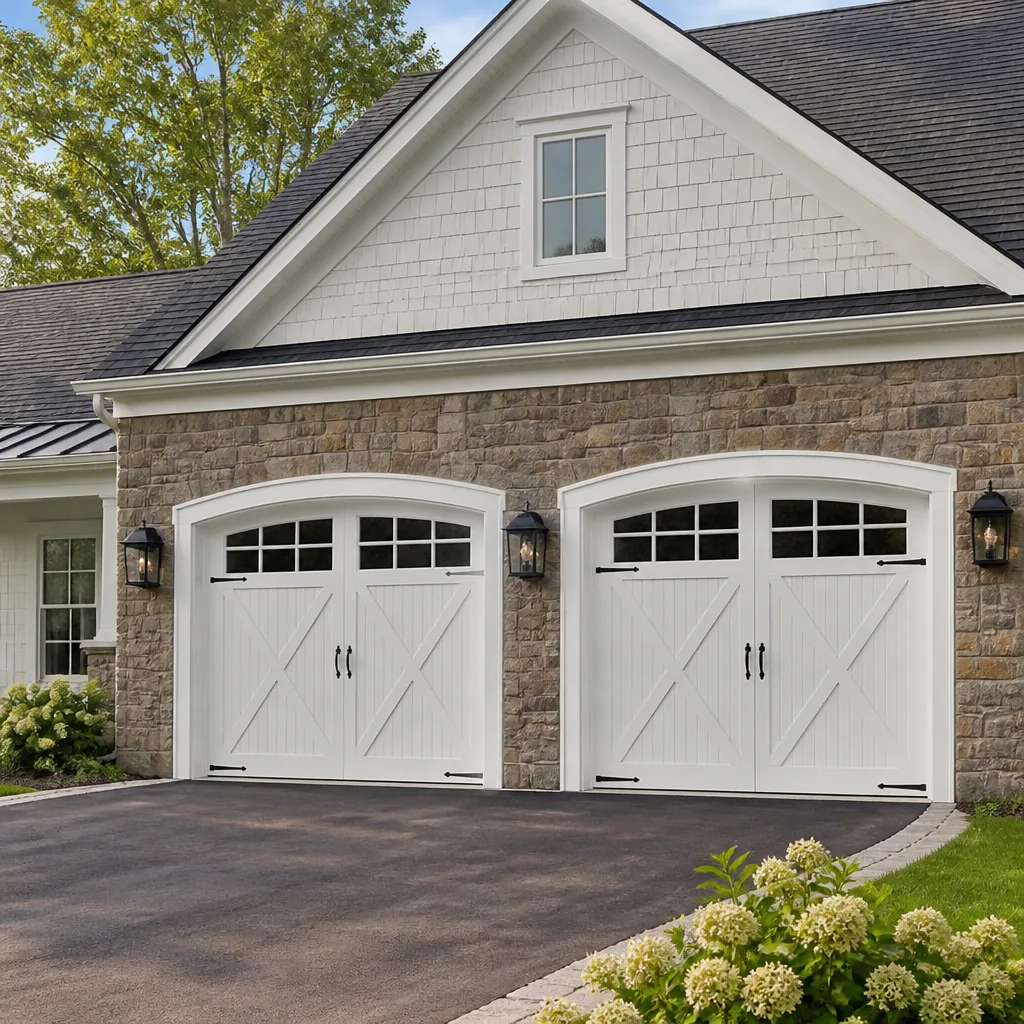 Carriage house
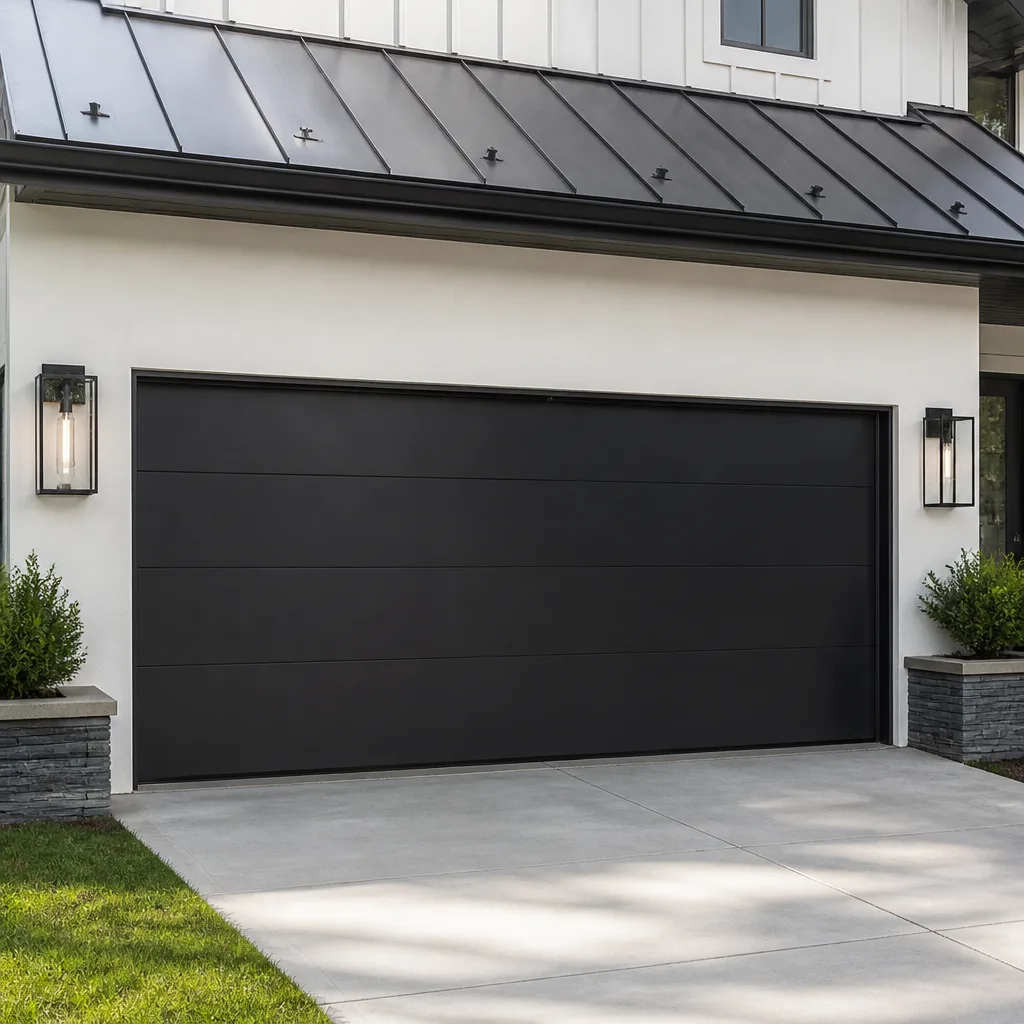 Modern flush
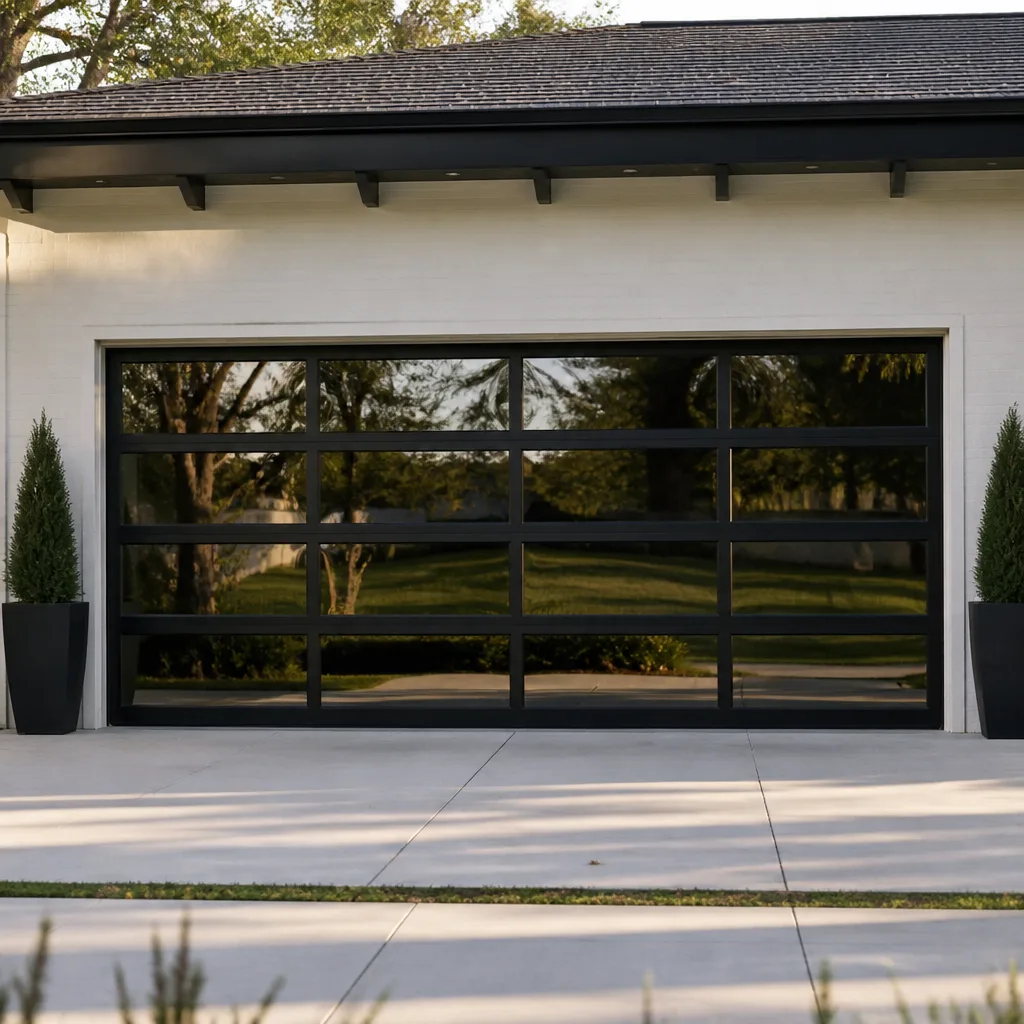 Full-view glass
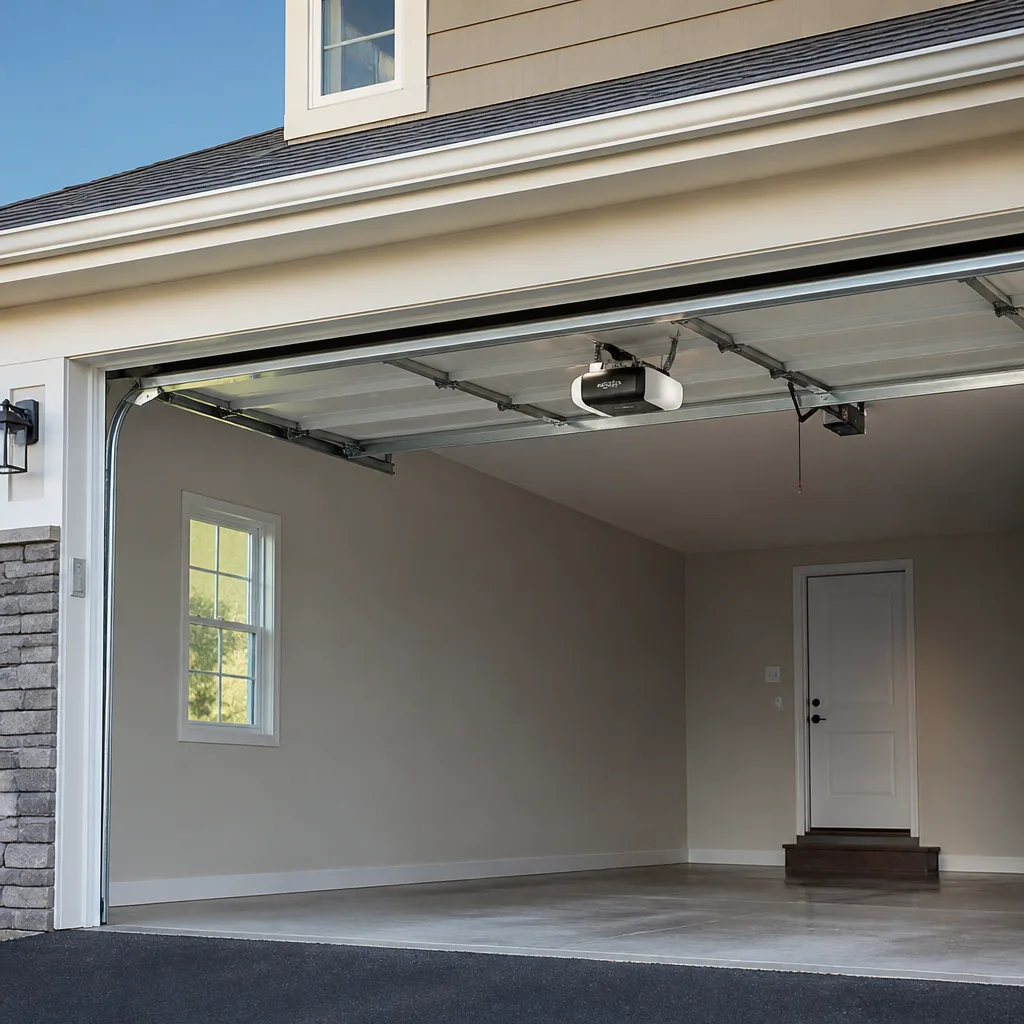 LiftMaster openers
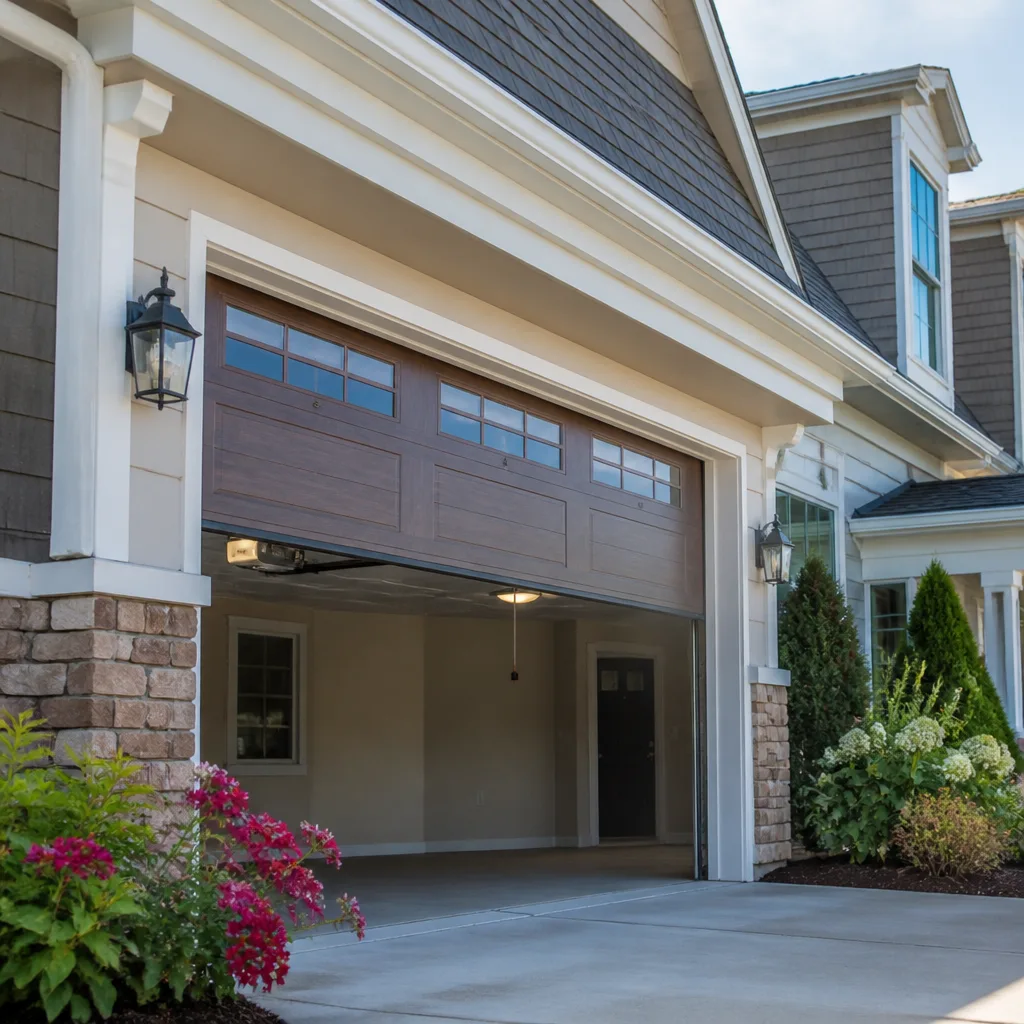 Chamberlain openers
Full 25-point door and opener safety check with every visit - springs, cables, rollers, tracks, and your LiftMaster or Chamberlain opener included
You get a price before we start. It does not change when the pro arrives.
Get your free estimateGarage Door Emergency Preparedness Guide for Hamilton Homes
Most homeowners think a garage door emergency starts when the door stops working. In our experience, the real emergency starts about ten seconds later, when someone decides to pull the red release cord to “fix it.” On a door with a snapped spring, that cord turns a 300-pound door into a falling weight aimed at whatever is parked underneath. Here’s the part almost nobody plans for: the response that saves your car and your security is different depending on whether you’re facing a security failure, a structural failure, or a power outage. This guide walks through each category, the manual release done right, temporary securing, the first ten minutes after a cable or spring failure, realistic response times around Baltimore County, and the small kit that handles most non-structural failures after hours. It’s written for Hamilton homeowners who want to be ready before something breaks.
Quick Answer
Garage door emergencies in Hamilton fall into three categories: security failures (a door that won’t close or lock), structural failures (a snapped spring or snapped cable), and power outages. The correct first move differs for each: secure and call for a non-closing door, keep everyone and everything clear for a broken spring or cable and do not force the opener, and use the manual release correctly for an outage. The wrong first move, especially pulling the release on a door with a broken spring, is what turns a repair into a collapsed door panel or a damaged car.
Styles & brands we work with
- Raised-panel steel
- Carriage house
- Modern flush
- Full-view glass
- LiftMaster openers
- Chamberlain openers
Table of Contents
- The Three Kinds of Garage Door Emergencies in Hamilton
- How to Use the Manual Release Safely on Common Openers
- A Door That Won’t Close: How to Secure It Temporarily
- The First 10 Minutes After a Spring or Cable Failure
- Baltimore County Response Times and What Emergency Pricing Should Look Like
- Building a Garage Door Emergency Kit
- Why Hamilton Homes and Weather Make These Failures Common
- The Maintenance Check That Prevents Most Emergencies
The Three Kinds of Garage Door Emergencies in Hamilton
Not every malfunction is the same kind of problem, and treating them the same is how people make things worse. Hamilton homes tend to have attached garages that double as the main way in and out, so a failure blocks more than the car. Knowing which of the three categories you’re in tells you what to do before anyone picks up the phone.
Security failures happen when the door won’t close, won’t lock, or comes back up after closing. The garage is open to the street and whatever is inside is exposed. The priority is making the opening physically immovable, not fixing the mechanism. This is the category where a temporary fix earns its keep.
Structural failures are the dangerous ones: a torsion or extension spring snaps, a cable breaks, a hinge tears out, a panel buckles. Nothing about the mechanism should be trusted after this. The door may look fine and still be hanging on a single spring or a slipped cable. The priority is distance and safety, then a call.
Power outages are the simplest category and the most mishandled. The door itself is fine. The opener just has no power, and the correct move is the manual release, used properly.
We serve Hamilton and the surrounding Baltimore County neighborhoods, and the calls we get break down almost exactly along those three lines. If you can name your category in the first minute, you’ll avoid the expensive mistakes covered later in this guide.
How to Use the Manual Release Safely on Common Openers
The manual release lets you open a garage door by hand when the opener won’t run. On a healthy door in a power outage, it works exactly as designed. On a door with a broken spring, it doesn’t hold the door at all, and the door crashes down. That single fact is why the door’s position and condition matter more than which brand of opener you have.
Most Hamilton homes run one of the common residential openers, and the release works the same way across them. Whether it’s a Chamberlain, a Genie, or any comparable unit, you’re looking for a red handle hanging from a cord attached to the trolley on the rail, or on some models a lever near the rail itself.
- Confirm the door is fully closed and the spring is intact. Look at the springs above the door. If either one has a visible gap or a coil hanging loose, stop here. Do not pull the release. Call for service.
- Disconnect the opener before anything else. Kill power at the wall switch or the breaker if you can reach it. This stops anyone, including a well-meaning family member with a remote, from running the opener while the door is disconnected.
- With the door down, pull the release cord straight down and toward the door. Don’t yank it sideways. You should feel the trolley disengage.
- Lift the door by hand, slowly, using the handle or a bottom-section grip. A properly balanced door takes some effort but moves smoothly and stays where you put it. Have someone steady it.
- If the door feels heavy, drifts down on its own, or won’t stay up, lower it immediately and leave it closed. That’s a balance or spring problem wearing a power-outage costume.
- Reconnect by running the opener once with the door closed so the trolley re-engages.
If your door is a Clopay or Amarr model with a heavier insulated panel, expect it to feel substantial even when it’s healthy. Weight alone isn’t a sign of trouble. Drift and slam are.
A Door That Won’t Close: How to Secure It Temporarily
When the door won’t close, the priority is making the opening immovable until someone can look at it. This covers a door that reverses mid-travel, one that’s been forced after a break-in, and one whose track or hinge has failed so it won’t seat. In each case, you’re buying hours, not fixing the door.
You probably have what you need. Here’s what works:
- Vise grips on the track. Clamp a pair of locking pliers on the vertical track just above a roller. If the door tries to move, the roller stops against the clamp. Two sets, one on each side, hold a door that’s hanging open.
- A wooden dowel or broom handle in the track. Lay a stout length in the vertical track above the bottom roller if you don’t have clamps. It blocks travel the same way.
- C-clamps or bar clamps on the horizontal track. For a door stuck partway open, clamp the track so the rollers can’t travel.
- A padlock through the track and the door’s side hinge. Through-bolted, it physically blocks the door from rolling up or down past that point.
What doesn’t work, and what to avoid: don’t prop the door with a board from outside and call it secure. Don’t try to bend a track back into shape to get the door to close; you’ll crack the panel or the hinge. Don’t run the opener repeatedly against an obstruction, since the force settings will keep pushing and can strip the gear. If the door is open to the street and you can’t block the track safely, call us for emergency garage door service. A temporarily secured door is a good outcome. A door with a bent panel and a stripped opener gear is a worse one.
The First 10 Minutes After a Spring or Cable Failure
When a spring or cable fails, what you do in the first ten minutes decides whether you’re replacing a spring or a spring, a panel, an opener gear, and a car hood. The sound is unmistakable: a bang like a gunshot from the garage. Then it goes quiet.
Here’s the sequence that protects you and the equipment:
- Keep everyone out of the garage and keep the door closed. On a torsion system, the door is balanced by the springs. With one broken, the door is being held mostly by the opener and whatever remains of the mechanism. It can drop.
- Do not pull the manual release. Repeat this to anyone in the house. A disconnected door on a broken spring has nothing holding it. That’s the drop risk that takes cars and hands.
- Kill power at the breaker or the wall switch if the opener is still trying to run. Don’t use the remote. Don’t press the wall button.
- Look, don’t touch, at the cables. A snapped cable can whip and there’s tension stored in the drum. Don’t try to wind anything back. A cable under tension is one of the few things in a home garage that can genuinely hurt you.
- Check for a vehicle underneath and get it out only if the door is fully closed and stable. If the door is partly open and hanging, leave the car and call.
- Photograph what you can from a safe distance. A clear picture of the broken spring or slipped cable speeds up the quote and the parts decision.
Spring and cable work is the repair category most general handymen decline, and for good reason. Torsion springs store enormous energy, and a mistake during replacement can cause serious injury. This is a job for a trained technician, no exceptions. We handle both torsion and extension spring repair for Hamilton homeowners, and we’d rather you call than take a risk with a wound spring.
Baltimore County Response Times and What Emergency Pricing Should Look Like
Realistic response for an emergency garage door call in the Hamilton area runs from roughly an hour to a few hours during the day, and longer if you’re calling late at night. Anyone who promises a truck in fifteen minutes at 11pm is telling you something. The honest version depends on the time of day and how many calls are ahead of you.
What to expect by time of day:
- Early morning (from 7am): Usually the fastest window. Dispatch is fresh and there’s rarely a queue.
- Midday to late afternoon: Often a two-to-four-hour window depending on volume. Afternoon tends to be the busiest.
- Evening: Emergency calls after the usual day can stretch the window and carry a higher rate. Ask what the rate is before you agree.
- Saturday: We’re closed Saturday. A door that fails on a Saturday gets booked for Sunday.
- Sunday: We’re open Sunday through Friday, 7am to 7pm, and Sunday is often a good window to get in quickly.
On pricing: an emergency rate should be a stated trip or after-hours charge on top of a normal repair quote, and you should hear both numbers before anyone starts. The estimate for a spring replacement, an opener fix, or a track repair should be written and agreed before work begins. If the number changes once the technician sees the door, the reason should be obvious (a bent panel nobody could see from outside, a stripped gear) and it should be explained before the work continues.
For the range of what repairs cost, see our garage door repair page. For spring and cable work specifically, call (855) 502-5595 for a free estimate.
Building a Garage Door Emergency Kit
A small kit handles most of the non-structural after-hours failures that turn into a service call. The point is to have the right two parts and one tool on hand before you need them. Here’s what goes in it.
The two parts:
- A spare set of rollers. A roller that jumps its track or seizes is the cause of a lot of “the door won’t close” calls. A matching spare set lets a technician swap it fast, or lets you hold the door closed safely in the meantime.
- A spare remote or a fresh battery for the wall switch and remote. Dead batteries and a failed remote are the cause of the majority of “the opener is dead” panic calls. Most of them are a battery, not a board.
The one tool: locking pliers. Used as track blocks, as covered earlier, they hold a door that’s hanging open and won’t close. One solid pair does most of the work a service call does in a security failure.
What else belongs in the box:
- A flashlight that lives in the garage, not borrowed from the kitchen drawer.
- A length of sturdy wooden dowel for blocking a track.
- Your opener manual or a photo of the model and serial plate. That photo is worth several minutes on the phone when you call, especially for older Genie or Chamberlain units where the setup varies by year.
- The number of a garage door company you actually want to call, written down. Your phone might be the thing that’s dead.
That kit resolves the battery, remote, roller, and security failures without a service call. It won’t touch a spring or a cable, and it shouldn’t.
Why Hamilton Homes and Weather Make These Failures Common
Hamilton sits in Baltimore County, and the seasonal swing here is hard on garage door hardware. Summer heat and humidity, then a cold snap in winter, then a wet spring. Metal expands and contracts through that cycle, springs cycle through tension and release thousands of times a year, and the lubricant on tracks and hinges dries out. The result is that spring failures and opener strain tend to cluster when the temperature moves fast, in a cold snap or the first hot week.
The housing stock matters too. Many Hamilton homes have attached garages, often with a single wide door and an opener that’s been in place a while. Older openers, particularly the consumer-grade units, are the ones that fail first when a door gets heavy or a track goes out of alignment. That’s why we make a point of being familiar with the full range of brands you’ll find in Hamilton, from the entry-level consumer units to professional-grade systems. We work on your brand, whatever’s already in your garage.
Newer builds and renovations often go to insulated steel doors, which are heavier and put more demand on the springs and the opener. If your door was upgraded and the opener wasn’t, that mismatch shows up as strained operation and early wear. Our garage door installation page covers what to match when a door is being replaced. If your opener is the weak link, see garage door opener repair for what a diagnosis covers.
The Maintenance Check That Prevents Most Emergencies
Most garage door emergencies have a warning sign a month or two before they happen. A quick look every so often catches the ones that are cheap to prevent and skips the ones that need a technician. Here’s a simple check you can run.
- Listen to the door. Grinding, squealing, or a popping sound during travel means a roller, hinge, or track is telling you something. Quiet operation is normal.
- Watch the balance. With the door disconnected by hand (and the spring intact), the door should lift smoothly and stay put halfway up. If it drifts down or slams, the springs are losing tension and need a look.
- Look at the springs. One stretched coil with a visible gap, or a loose coil hanging, is a broken spring. Don’t wait to replace it; the second one breaks soon after the first.
- Lube the moving parts. Rollers, hinges, and the torsion bar bearings benefit from a proper garage door lubricant. This is a hands-on-hinges job, not a spring-and-cable job.
- Check the safety reverse. Put a piece of wood in the door’s path. The door should reverse on contact. If it doesn’t, that’s an opener adjustment, and it’s a safety issue.
- Clear the track. Small debris, a bent track, or a loose bracket will eventually throw the door off track.
Anything involving the springs, cables, or the torsion bar is not a homeowner job. Look, listen, and call. It’s a short check, and it’s the difference between a repair call and a Sunday emergency. If you want a professional eye on the whole system, our Hamilton Garage Door Repair Pros team will take a look and give you an honest read on what’s wearing out.
Common Mistakes to Avoid
- Pulling the release on a door with a broken spring. The door has nothing balancing it, and it drops. If a spring is visibly broken, leave the door down and call.
- Running the opener against an obstruction. The force settings push harder and harder, and you can strip the gear or crack a panel. If the door is hung up, stop pressing the button.
- Trying to wind or adjust a torsion spring. The stored energy in a torsion spring is enough to cause serious injury, and the wrong tool can slip. Leave it to a trained technician.
- Assuming an opener failure is a dead unit. A lot of “the opener is dead” calls are a battery, a wall switch, or a safety sensor out of alignment. Check the simple things before assuming a replacement.
- Forcing a door past a bent track to get it closed. You’ll crack the panel and turn a track fix into a panel replacement. Block the track instead, then call.
- Booking the first service that answers without asking for a written estimate. The number should be in writing and agreed before work starts. If a company won’t put it in writing, that’s the sign.
- Ignoring a single broken spring. The remaining spring is now carrying the full load, and the second one usually follows soon after. Replacing both at once is the sane call.
See the difference
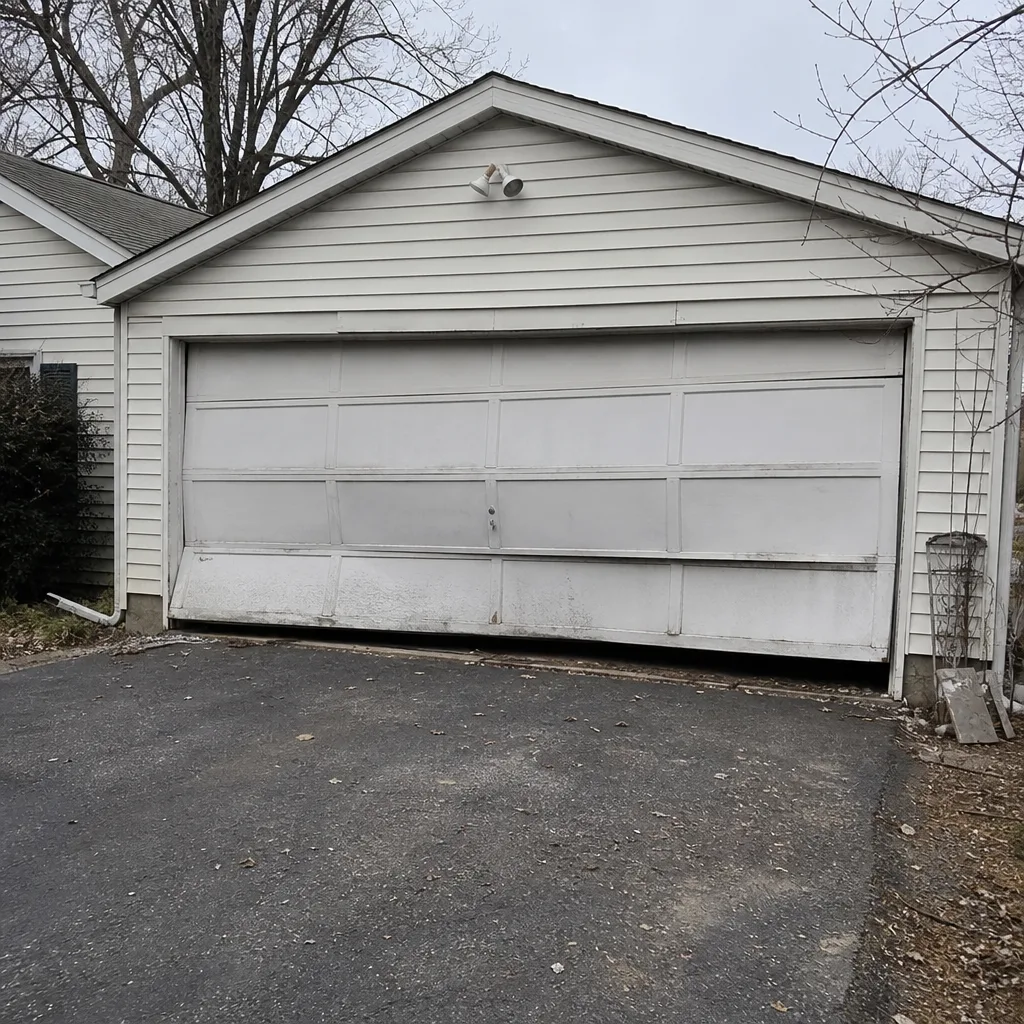 Before
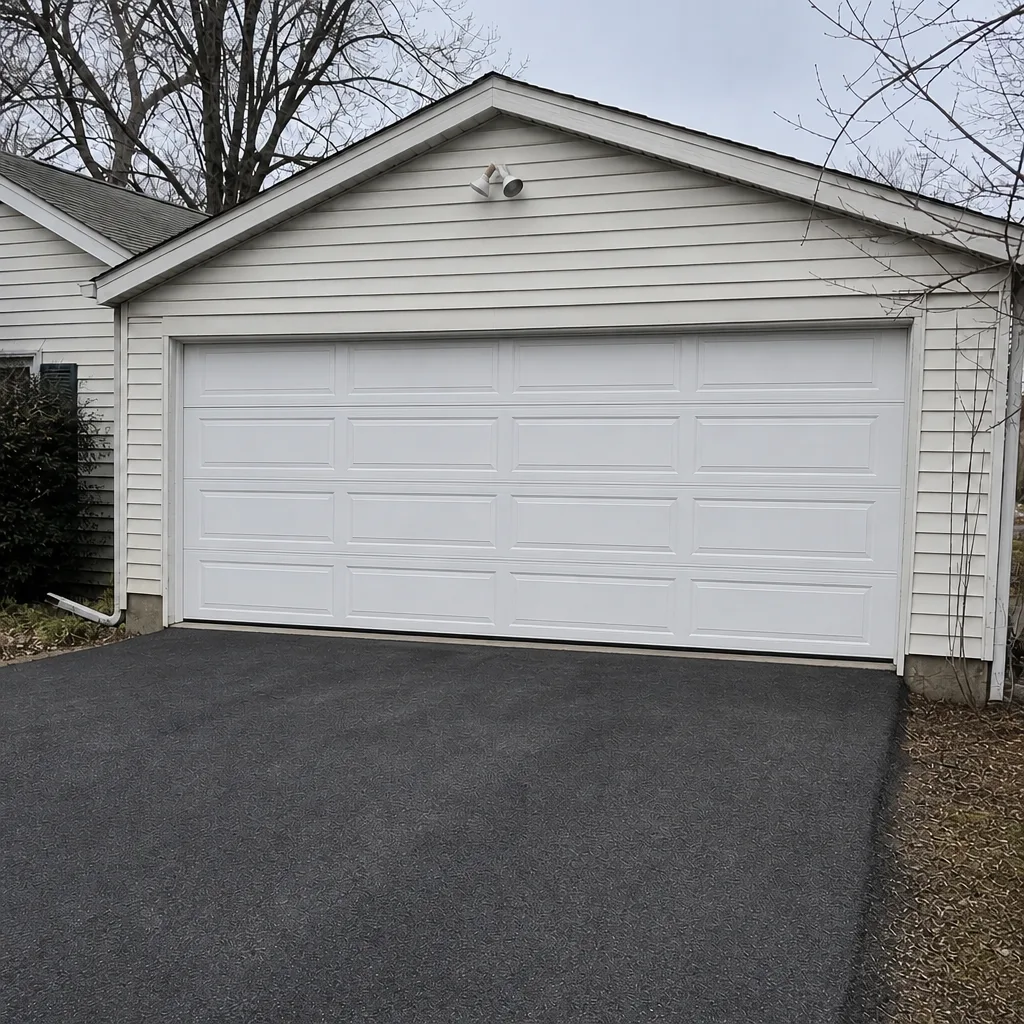 After
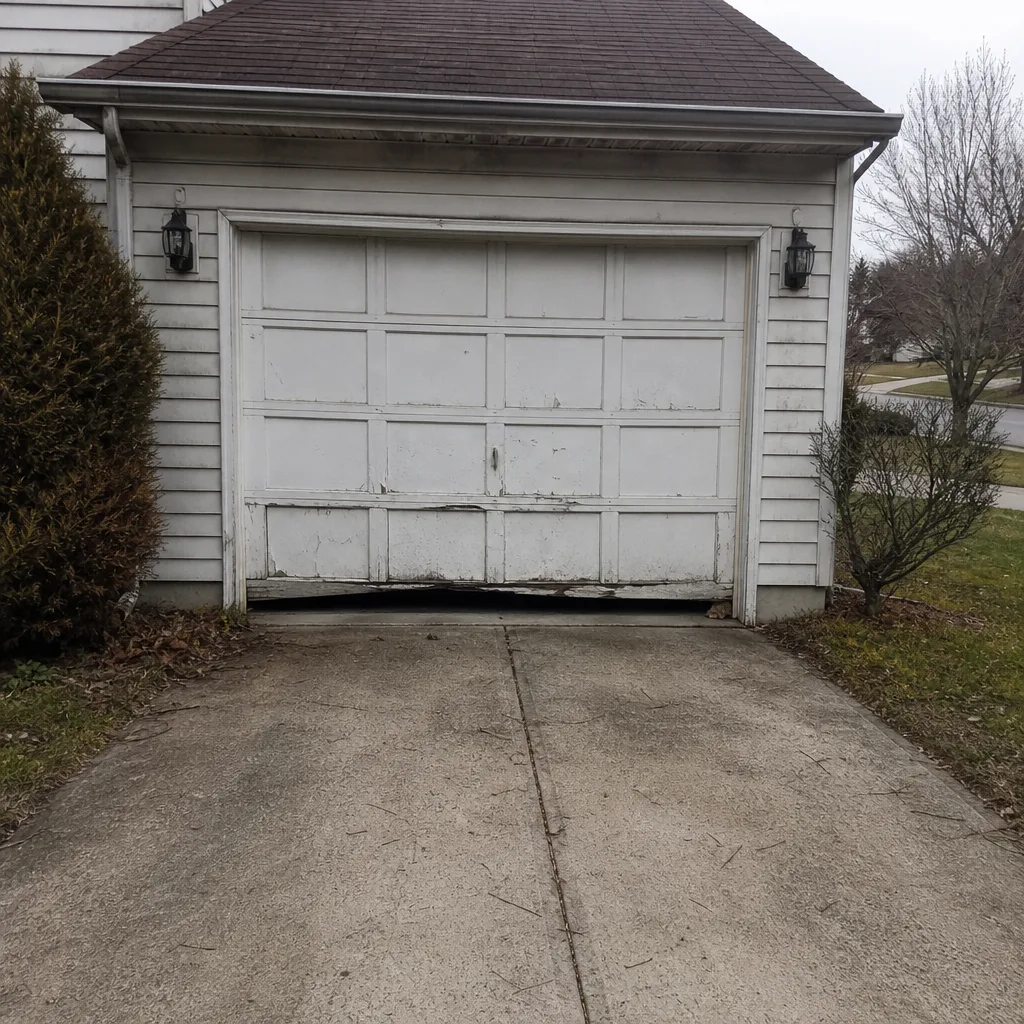 Before
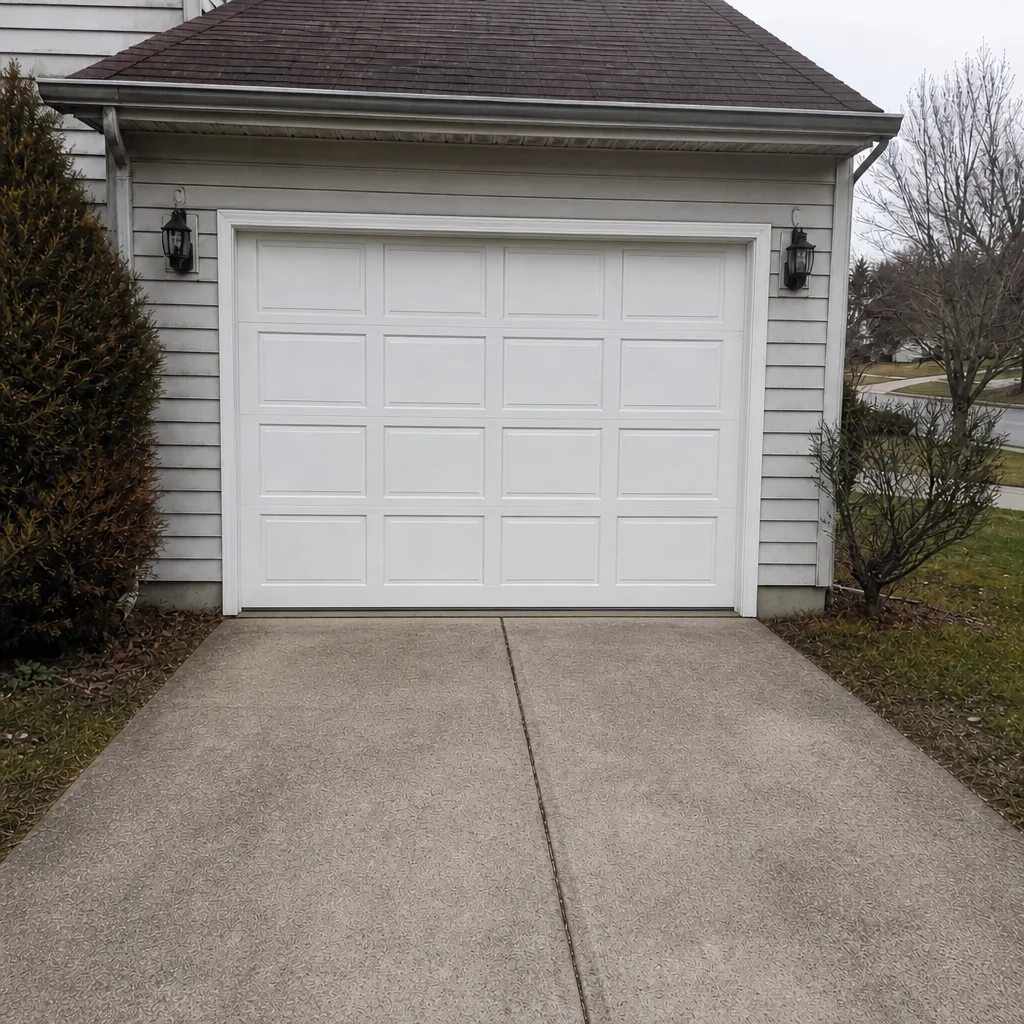 After
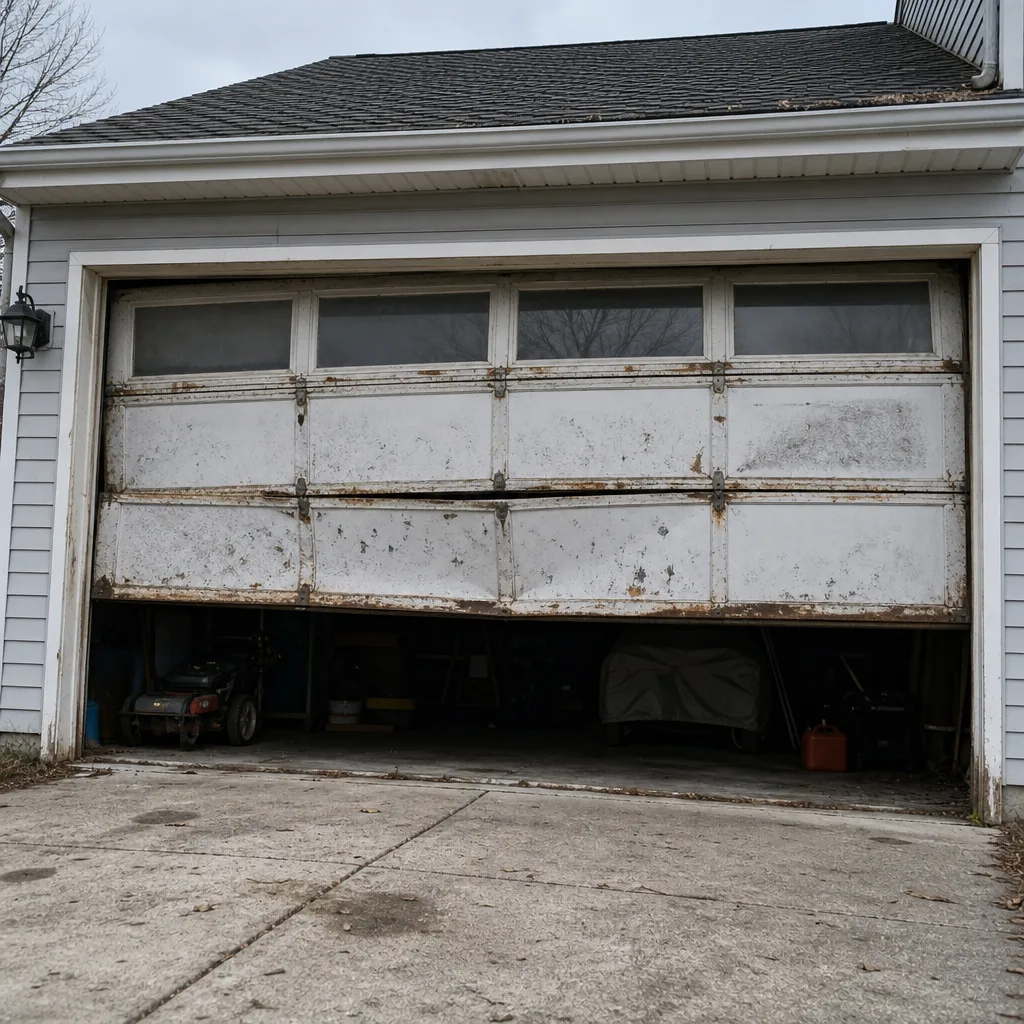 Before
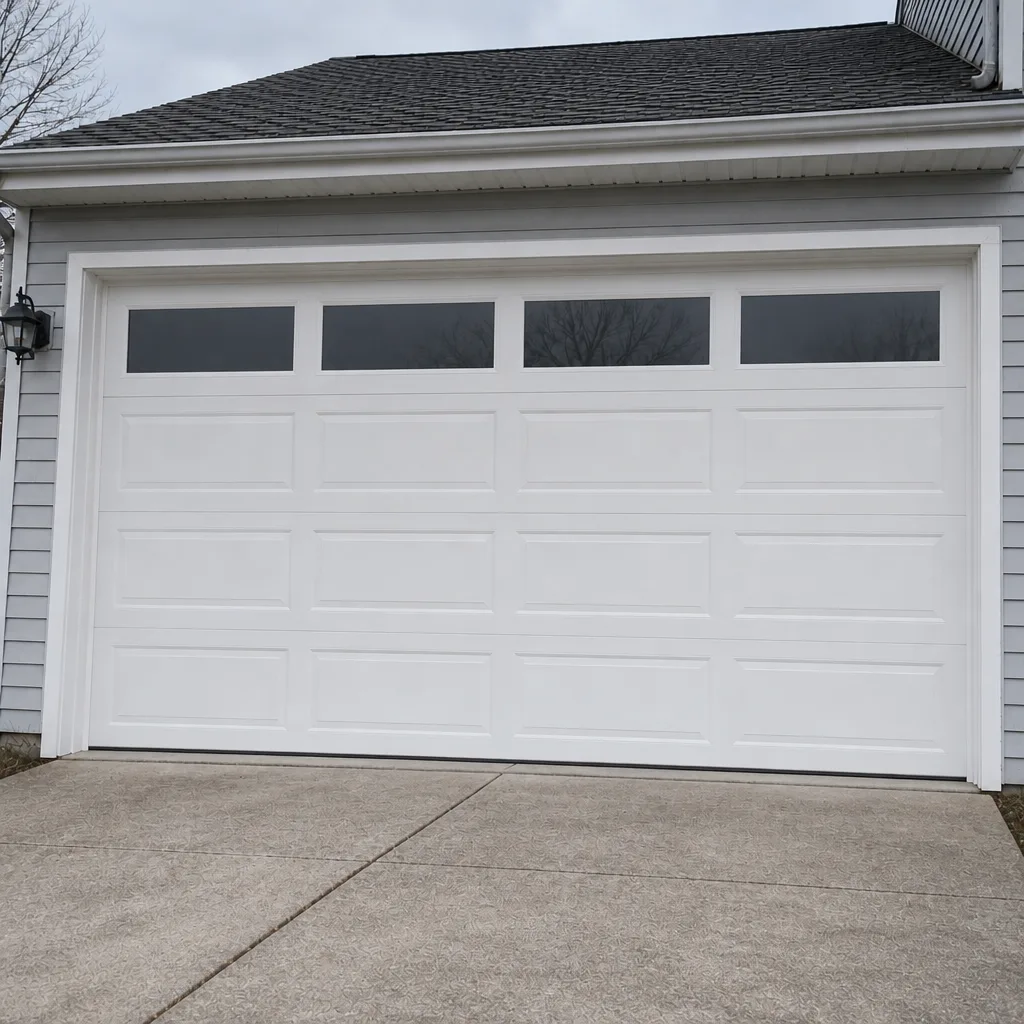 After
When to Call a Professional
Call a professional the moment a spring or cable breaks, a track is bent, a hinge has torn out of a panel, or the opener runs but the door doesn’t move. Those are the failures that carry a real safety risk, and they’re the ones a homeowner should step away from. Call today if the door won’t close and your garage is open to the street, if the door has come off the track, or if a car is trapped inside by a broken door. Also call when the opener is old enough that a repair is chasing the same wear, and when the door itself is at end of life. Hamilton Garage Door Repair Pros offers free estimates in Hamilton and handles the full mechanism, so you only need one call: (855) 502-5595. Our technicians have up to 11 years of experience, and the local pro is licensed and insured as their state requires. The price is quoted and agreed before any work starts.
Frequently Asked Questions
Kill power to the opener first, then pull the red release cord straight down on a closed, intact door. The trolley disengages and you can lift the door by hand. If the door feels heavy or drifts down when you let go, stop and lower it, since that’s a spring problem and not a power outage.
Yes, it’s the most dangerous thing you can do in the moment. With a broken spring, the door has nothing balancing it, so pulling the release removes the last thing holding the door up and it can drop on a car or a person. Leave the door down, keep everyone clear, and call.
Keep everyone out of the garage, leave the door closed, and don’t touch the cable. A snapped cable can whip and there’s still tension in the drum. Kill power to the opener if it’s trying to run, photograph the damage from a distance, and call for service.
During the day, a realistic window is about an hour to a few hours, and early morning from 7am is usually the fastest. We’re open Sunday through Friday, 7am to 7pm, and closed Saturday. A door that fails on a Saturday gets booked for Sunday. Call (855) 502-5595 for an exact quote and a window – estimates are free.
Yes, if you can do it safely. Locking pliers clamped on the vertical track above a roller, a wooden dowel laid in the track, or a padlock through the track and a side hinge all physically block travel. Don’t bend the track or force the door; block it, then call.
It shouldn’t without a clear reason. The estimate is written and agreed before work starts, and if the technician finds something a photo couldn’t show, like a bent panel or a stripped opener gear, it’s explained before the work continues. Call (855) 502-5595 for a free estimate.
The Bottom Line
Garage door emergencies in Hamilton come in three kinds, and your first move should depend on which one you’re in. Security failures call for blocking the opening. Structural failures call for distance, no release, and a call. Power outages call for the manual release done properly, on a healthy door. The single most useful thing you can remember is the release rule: never pull it on a door with a broken spring or cable. Build the small kit, run the maintenance check, keep the number where you can find it, and the next emergency is a short, safe, one-call problem instead of a collapsed door. That’s a lot better than 11pm panic.
When the door does need a technician, call Hamilton Garage Door Repair Pros at (855) 502-5595 for a free estimate. We cover repair, opener repair, spring repair, emergency service, and full installation for Hamilton homes, on every major brand in your garage. Fast diagnosis, honest quote, durable fix.
Written by the team at Hamilton Garage Door Repair Pros.