Last updated November 21, 2026
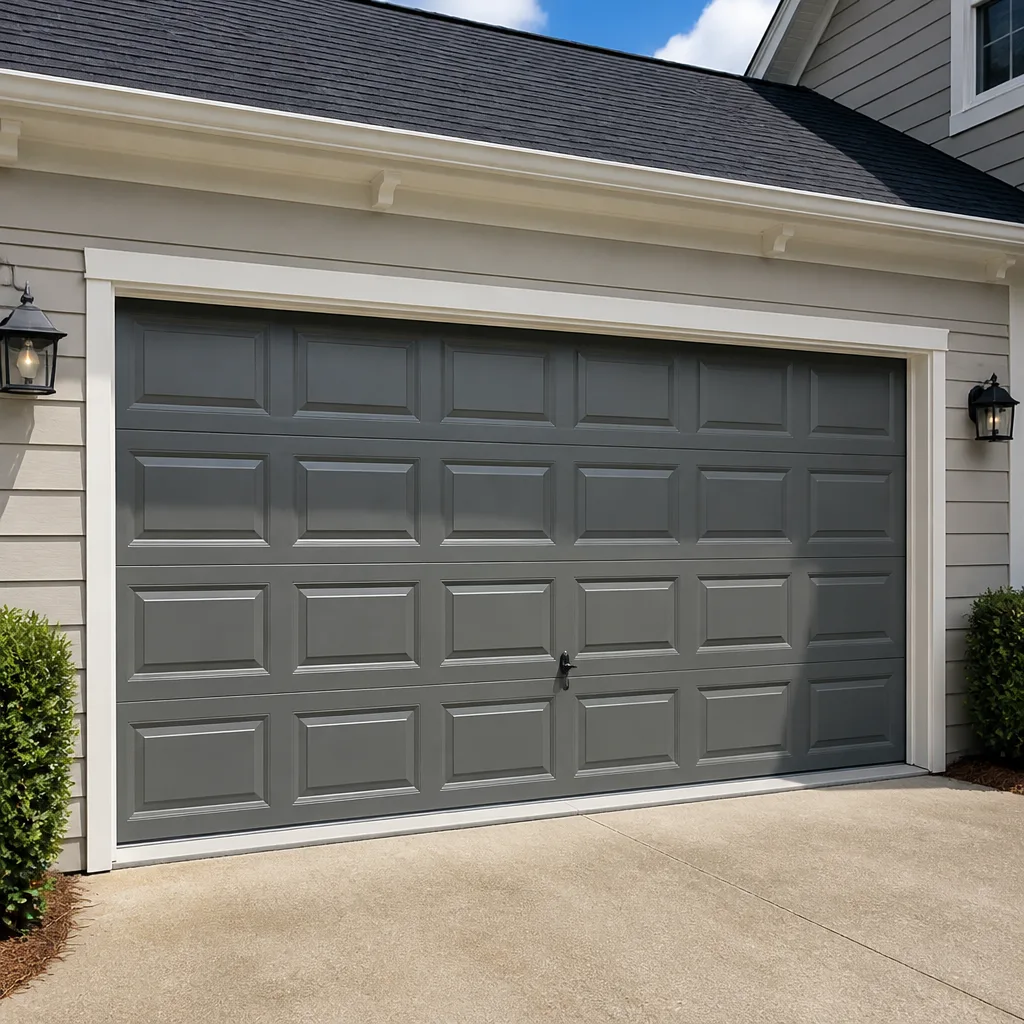 Raised-panel steel
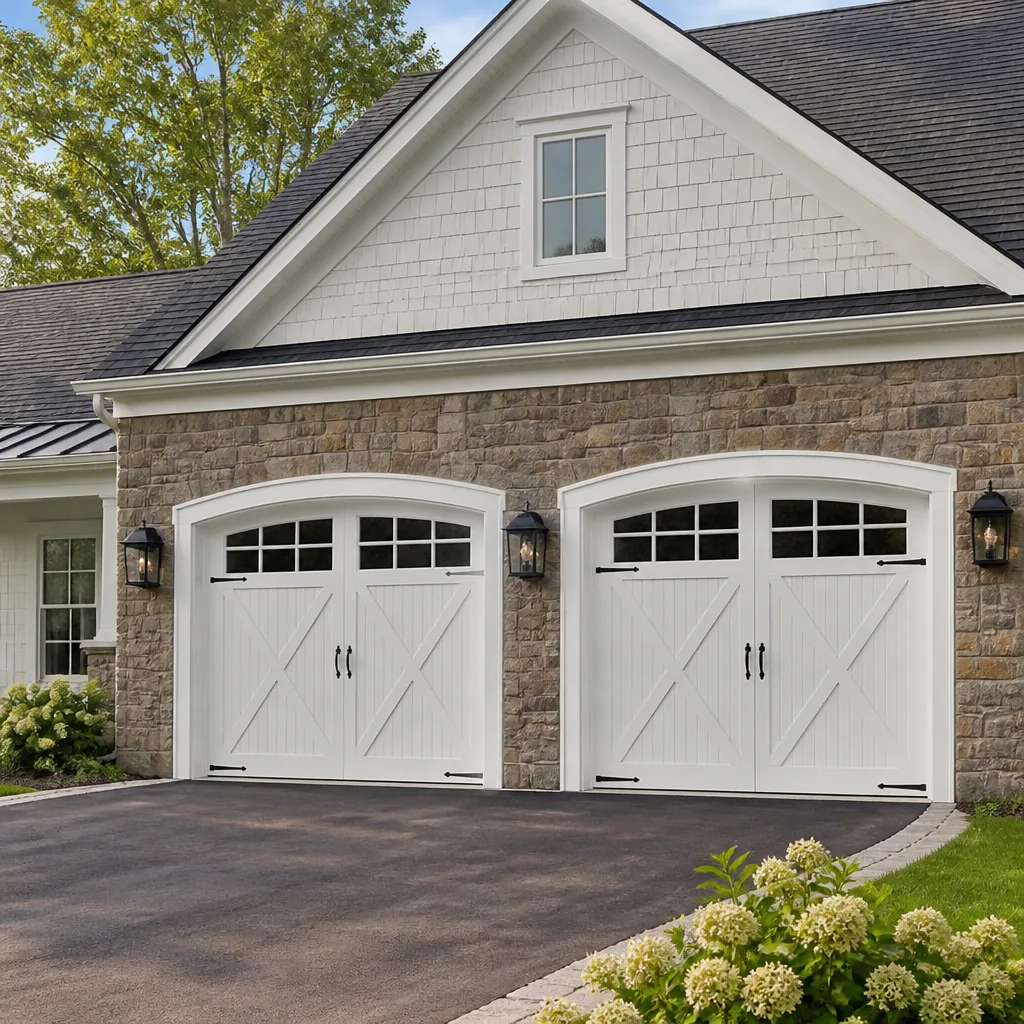 Carriage house
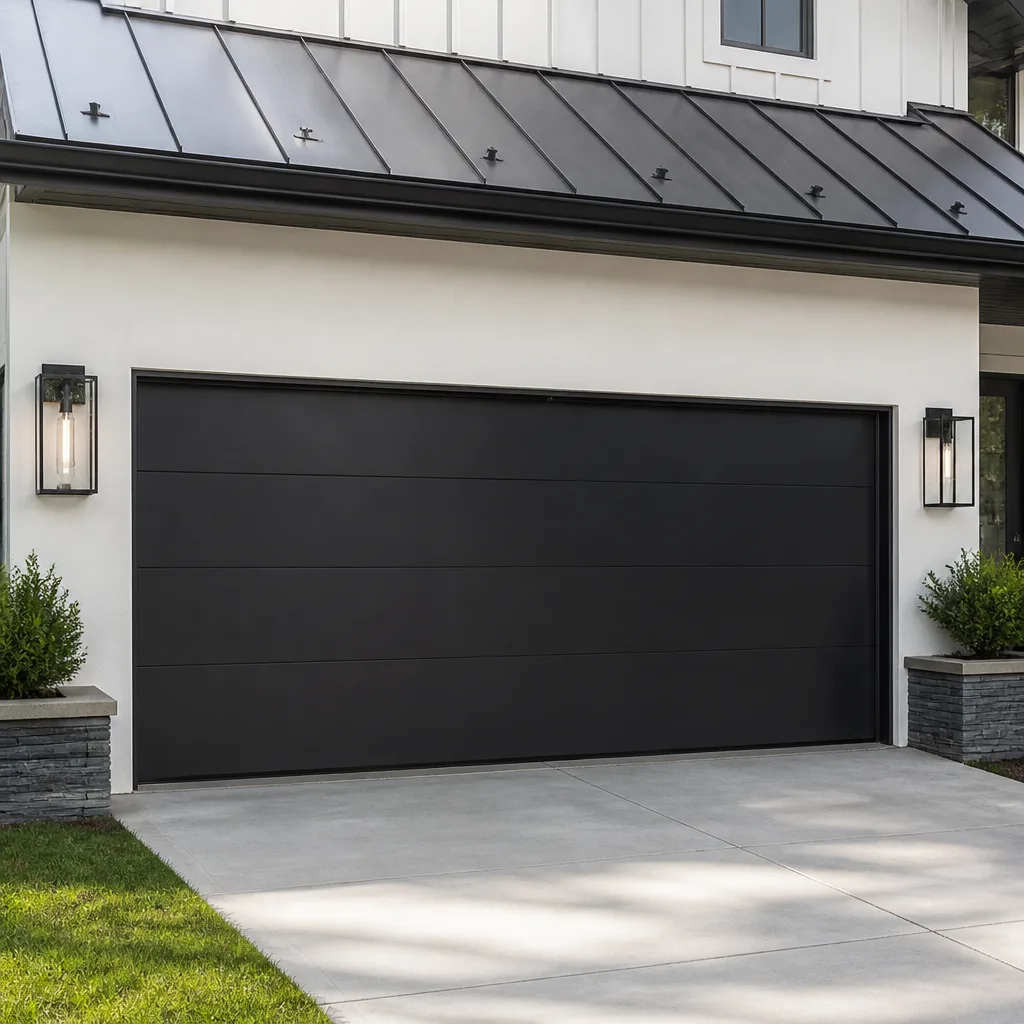 Modern flush
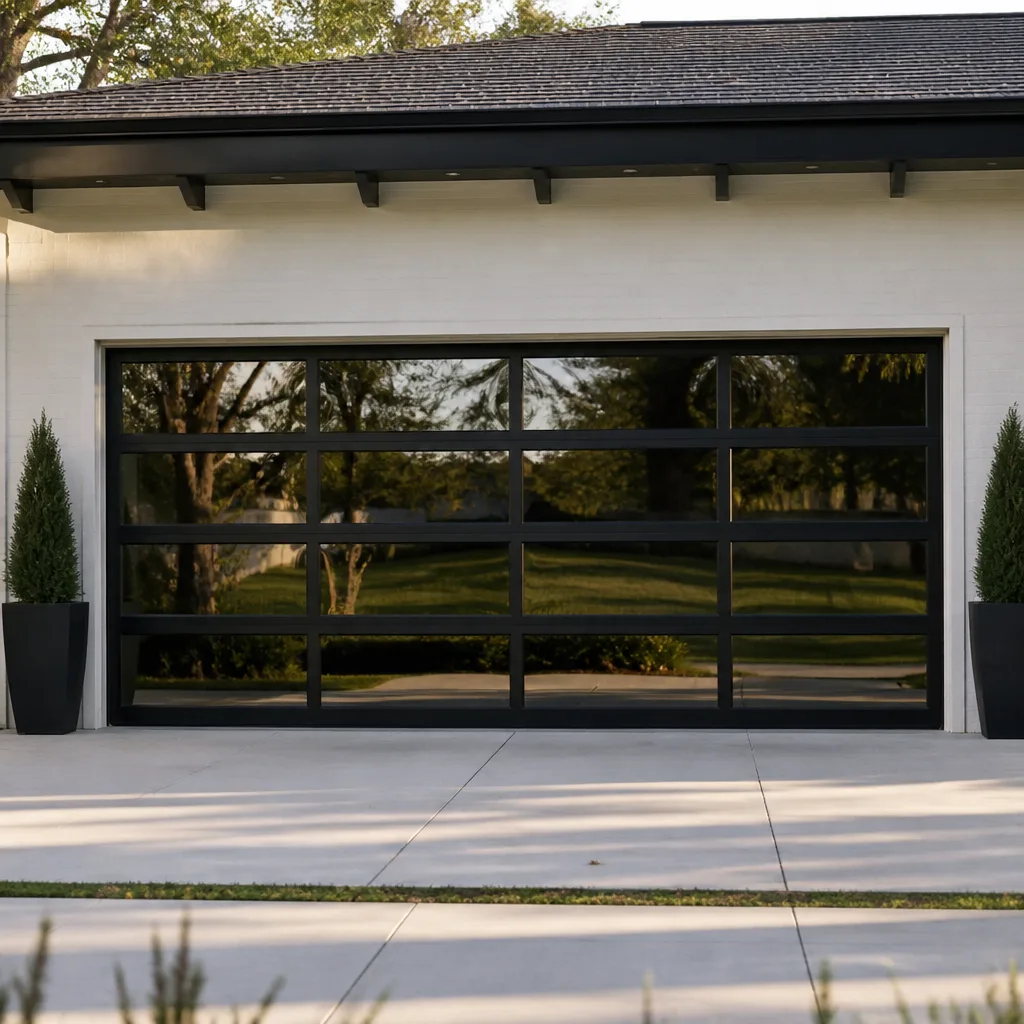 Full-view glass
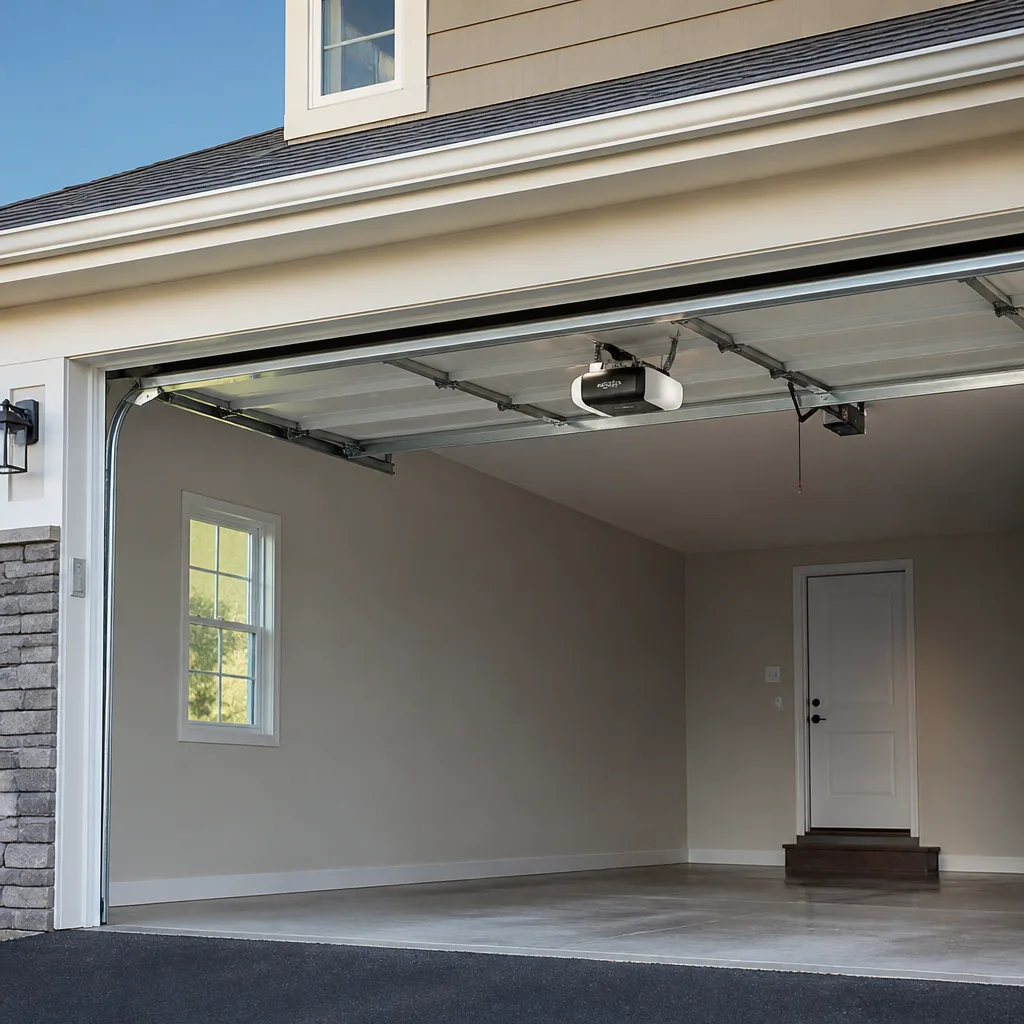 LiftMaster openers
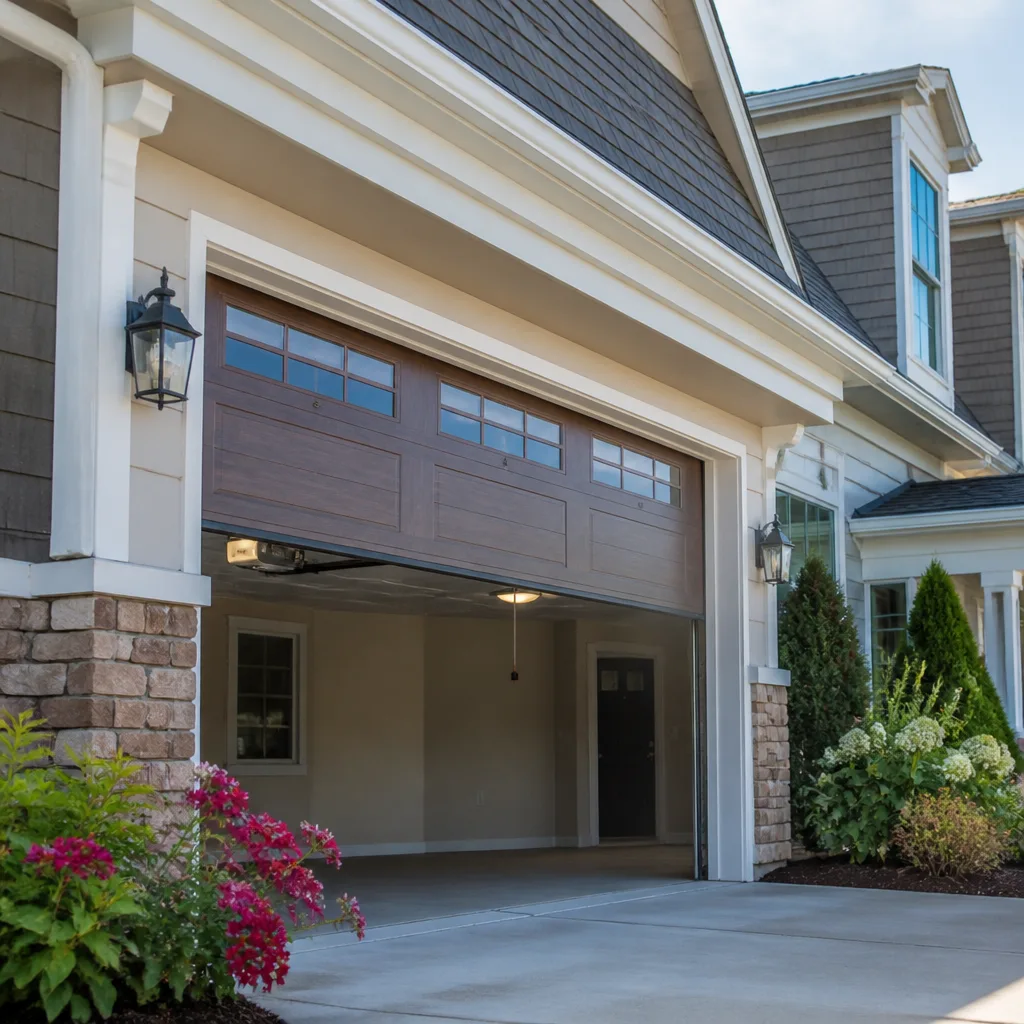 Chamberlain openers
Full 25-point door and opener safety check with every visit - springs, cables, rollers, tracks, and your LiftMaster or Chamberlain opener included
You get a price before we start. It does not change when the pro arrives.
Get your free estimateHow to Hire a Garage Door Contractor in Hamilton: A Step-by-Step Guide
The contractor who shows up fastest after a spring breaks isn’t always the one who’ll give you an honest answer about whether the rest of your hardware is worth keeping. Most hiring guides hand you the same tired checklist: read a few reviews, gather three quotes, pick the middle one. That advice falls apart in the real world, especially in a place like Hamilton where older housing stock means a lot of doors are working on borrowed time. What actually protects you is knowing which questions expose whether a contractor understands your specific brand and mechanism, and which answers signal a salesperson rather than a technician. This guide walks you through that, step by step, from the first phone call to the signed estimate.
Quick Answer
To hire a garage door contractor in Hamilton, verify the contractor’s Maryland Home Improvement Commission license, ask questions specific to your brand and spring type, and insist on a written estimate that separates parts from labor with the warranty spelled out. A legitimate contractor will answer brand-specific questions without hesitation and put every promise in writing before touching the door. Anyone who dodges those three things isn’t worth your time.
Styles & brands we work with
- Raised-panel steel
- Carriage house
- Modern flush
- Full-view glass
- LiftMaster openers
- Chamberlain openers
Table of Contents
- Why Hiring the Right Contractor Matters in Hamilton
- The Three Questions That Reveal Real Brand Knowledge
- What “We Carry All Parts on the Truck” Really Means
- How to Read a Written Estimate for Upsell Language
- Verifying a Maryland Contractor License in Under Two Minutes
- Parts vs. Labor Warranties: What a Real One Looks Like
- Repair or Replace? How to Judge the Answer You Get
- Common Mistakes to Avoid
Why Hiring the Right Contractor Matters in Hamilton
A garage door is the largest moving object in most homes, and it’s under constant tension from springs that store enough energy to cause serious injury if they let go unexpectedly. That alone makes it a different category of hire than a painter or a landscaper. Hamilton’s mix of older neighborhoods and mid-century subdivisions means plenty of doors are original or one replacement old, and the hardware behind them varies enormously: torsion springs on one street, extension springs on the next, chain-drive openers in some garages and belt-drive in others. A contractor who only knows one setup will either misdiagnose the problem or push you toward a full replacement because that’s the only job they’re equipped to do.
There’s also the practical reality of timing. When a door won’t close, your home is open to the weather and to anyone who wants in. When a door won’t open, your car is trapped and your morning is gone. That urgency is exactly what less scrupulous operators count on, because a homeowner in a hurry is a homeowner who skips verification. The whole point of this guide is to give you a fast, reliable filter so you can make a good decision under pressure rather than a hasty one.
Finally, Hamilton’s climate matters. Freeze-thaw cycles through the winter work metal and hardware hard, and the humidity of summer months stresses wood and composite panels. Springs fatigue faster in a climate that swings between temperature extremes, and weather seals dry out and crack. A contractor who understands how local conditions affect garage door hardware will be able to tell you what failed and why, not just what to replace. At Hamilton Garage Door Repair Pros we’ve seen the same failure patterns repeat across the area, and that pattern recognition is worth more than any sales pitch.
The Three Questions That Reveal Real Brand Knowledge
Anyone can claim they “service all brands.” The test is whether they can talk about your brand with enough specificity that you know they’ve actually worked on it. Whatever’s already in your garage, whether it’s a Raynor door paired with a LiftMaster opener or a Genie system on a builder-grade door, these three questions cut straight through generic claims:
- “What type of spring system does my door use, and why does that change the repair?” A technician will ask you to describe the door or look at a photo and immediately distinguish between torsion and extension springs. If they can’t tell you which one your door likely has and what the difference means for the repair, they don’t do spring work regularly. This is one of the most mechanically dangerous jobs on a garage door, and a genuine technician treats it that way.
- “What’s the most common failure on my brand of opener, and how do you diagnose it?” Each brand has its quirks. A person who works on LiftMaster and Chamberlain units routinely will have a clear diagnostic sequence for logic board faults, travel-limit drift, and safety-sensor alignment. Someone who mostly installs new doors will give you a vague answer about “checking the motor.”
- “Can you service the door and the opener as one system, or do you subcontract one of them?” A door failure and an opener failure often look identical to a homeowner. A contractor who can work on both the door brand and the drive brand resolves the whole mechanism in one visit instead of handing you off mid-job.
Listen for specificity. A good answer references parts, adjustments, and failure modes. A bad answer pivots to a quote before you’ve finished the question.
What “We Carry All Parts on the Truck” Really Means
“We carry all parts on the truck” sounds like a promise of speed, and sometimes it is. But it’s also one of the most misused lines in this trade, and knowing how to interpret it will save you from a bad hire. There are two versions of this claim, and they mean very different things.
The legitimate version is about common consumables: springs in standard sizes, rollers, hinges, cables, safety sensors, and universal opener components. A contractor who stocks those can do same-day repairs on the majority of routine failures. That’s genuinely useful when a tension spring snaps on a Tuesday morning and you need the door working by the afternoon.
The red-flag version is when “we carry all parts” is followed by pressure to accept whatever’s already on the truck rather than the correct part for your door. If a contractor tells you a universal spring will work on a door that needs a specific wire gauge and length matched to its weight, they’re optimizing for their convenience, not your safety. Same with openers: a one-size-fits-all replacement pushed onto a door that was engineered for a different drive system can lead to premature wear and repeat failures.
- Good sign: “We stock the common spring sizes and most opener components, and if yours is unusual we’ll order the correct part.”
- Bad sign: “We have everything we need right here, no need to wait for a special order.”
- Good sign: They ask about your door’s weight, brand, and mechanism before quoting.
- Bad sign: They quote a repair price before they’ve seen or asked about the door.
The point isn’t to distrust parts availability. It’s to notice whether the part is chosen for your door or for the truck’s inventory.
How to Read a Written Estimate for Upsell Language
A written estimate is where good contractors and salespeople diverge most clearly. The upsell rarely announces itself as an upsell. It disguises itself as a safety recommendation, and it’s designed to make you feel irresponsible for saying no. Learning to read the language is the single most valuable skill in this whole process.
Start with structure. A legitimate estimate itemizes parts and labor separately, lists the specific part or part number where relevant, states the warranty terms for parts and for labor, and includes a total. Here’s what a clean line-item breakdown looks like:
- Torsion spring replacement (matched pair, correct wire gauge): parts cost + labor cost
- Rollers or hinges replaced (only the ones that need it): parts + labor
- Opener logic board or capacitor replacement (if the opener failed): parts + labor
- Safety sensor realignment or replacement: parts + labor
- Warranty terms stated in writing: parts warranty, labor warranty
Now the warning signs. Watch for phrases like “while we’re in there, it makes sense to…” followed by items you didn’t ask about and that aren’t tied to a specific observed failure. A technician who points to a frayed cable and explains why it’s a genuine safety issue is doing their job. A salesperson who waves a hand at the whole mechanism and says it’s “all due” is building a case for replacement. Both sound like concern; only one is backed by a specific finding.
Ask a direct question when something feels vague: “What did you see that makes you recommend this, and what happens if I don’t do it today?” An honest answer is specific and gives you room to decide. A pressured answer restates the risk without detail and pushes for a signature now. The price should also be quoted and agreed before any work starts; if the number moves after the door is already apart, that’s a problem, not a discovery.
Verifying a Maryland Contractor License in Under Two Minutes
Maryland requires home improvement contractors to be licensed through the Maryland Home Improvement Commission, and you can verify a license yourself before you ever call back. The whole check takes about two minutes and it’s the fastest way to eliminate a bad hire. Here’s the sequence:
- Ask the contractor for their MHIC license number. They should give it without hesitation. If they can’t or won’t, stop there.
- Look up the number through the Maryland Home Improvement Commission’s public license search. Confirm the name matches the business you’re talking to and the license is active, not expired or suspended.
- Confirm the license covers the kind of work you’re hiring for. Garage door repair and installation fall under home improvement.
- Ask for proof of insurance. A contractor who works on a tension-spring system should carry liability coverage, and the certificate should name the business you hired.
- Check that any written contract includes the license number as required, since that’s another point where an unlicensed operator gets exposed.
This matters more than any review score. A contractor without a valid license has no accountability structure behind them if something goes wrong, and your options as a homeowner shrink considerably. It also protects you from the scenario where a “technician” turns out to be a subcontractor with no relationship to the company that quoted you. The local pro we connect you with is licensed and insured as their state requires, and that’s the standard you should hold every contractor to. For a deeper look at what a proper repair relationship should feel like, our guide to garage door repair walks through what a legitimate service visit involves from start to finish.
Parts vs. Labor Warranties: What a Real One Looks Like
Verbal warranties are worthless. A promise made at the door and forgotten the next month leaves you with no recourse when a spring fails early or an opener stops responding. The only warranty that counts is the one written on your estimate and your invoice, and it needs to distinguish between parts and labor because those are two separate promises.
A parts warranty covers the component itself: the spring, the opener board, the rollers. It should state how long the part is covered and what happens if it fails within that window, whether it’s replaced outright or prorated. A labor warranty covers the work of installing or repairing. It should state how long the contractor stands behind the installation and whether a return visit for the same issue is included or billed.
- Good: “Springs warranted for X, labor warranted for Y, both stated on the invoice.”
- Good: The warranty is tied to the specific parts installed, not a vague promise about “the work.”
- Bad: “We stand behind our work” with no time frame and nothing in writing.
- Bad: A parts warranty that excludes the exact failure mode you’re most likely to hit.
In Hamilton’s climate, springs and weather seals take a beating from the seasonal swing, so a fair warranty reflects that reality rather than disclaiming everything that commonly fails. If a contractor won’t put warranty terms in writing before the job, treat that as your answer.
Repair or Replace? How to Judge the Answer You Get
This is where a salesperson and a technician give themselves away faster than anywhere else. A repair-first contractor will look at what actually failed and tell you whether the rest of the system is worth keeping. A salesperson will work backward from the replacement sale. The honest answer usually starts with a specific finding: a broken spring, a worn opener gear, a bent track, a door panel that’s structurally sound or isn’t.
Ask the contractor to separate three things: what’s broken now, what’s wearing but serviceable, and what’s genuinely near the end of its life. A good technician will give you that breakdown without nudging. If the door is 15 or 20 years old and the panels are separating, replacement may well be the right call, and a straight answer to that is valuable. But you should be the one deciding, armed with specifics rather than urgency.
Also compare what a repair versus a replacement actually involves. A spring repair or opener fix is a targeted job that restores function. A replacement means measuring the opening, ordering a door, and scheduling the install, which is a different timeline entirely. If you’re leaning toward replacement, our guide to garage door installation covers what to expect from the measure through the final adjustment so you can compare quotes on equal terms. And if the door itself is working but the opener is failing, garage door opener repair is often the smaller, smarter fix.
Common Mistakes to Avoid
- Hiring on speed alone. The first contractor to answer isn’t necessarily the one who’ll give you a straight answer about what failed. Verify the license before you book the visit, even when you’re in a hurry.
- Accepting a verbal warranty. In Hamilton’s freeze-thaw climate, spring and seal failures recur, and a handshake promise won’t help you when one does. Get parts and labor terms on paper.
- Letting “we carry all parts” override the correct part. A universal spring forced onto a door that needs a specific wire gauge is a safety problem, not a convenience. Ask what part they’re installing and why.
- Treating a safety recommendation as automatically trustworthy. Some are genuine and specific; some are upsell language. Ask what the technician observed and what happens if you wait.
- Skipping the MHIC license check. It takes two minutes and it’s the single fastest way to filter out unlicensed operators, especially when a quote sounds unusually low.
- Letting the price move after work begins. The written estimate should be agreed before the door comes apart. Treat a mid-job price increase as a serious red flag.
- Assuming a door failure means a replacement. Many failures, including springs and openers, are repair jobs. Start with a technician who diagnoses the specific failure before recommending a new door.
See the difference
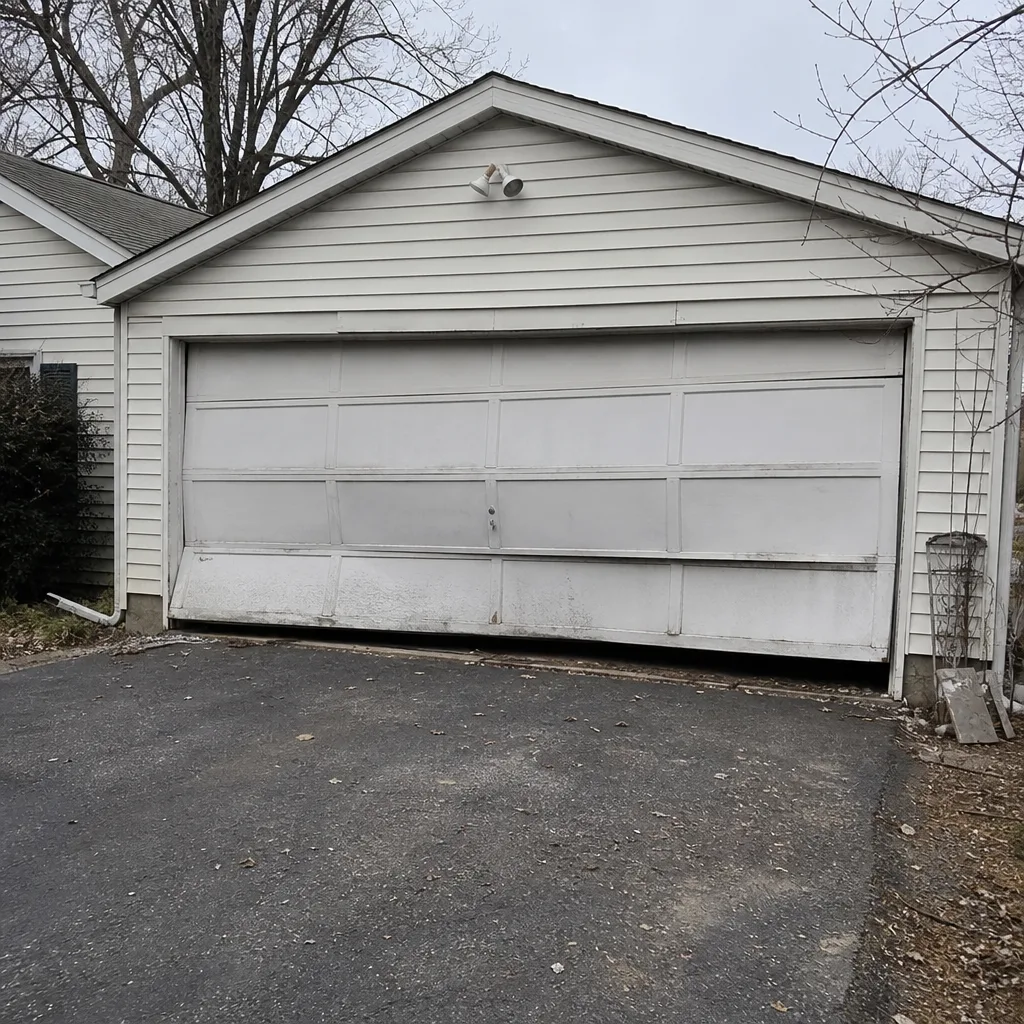 Before
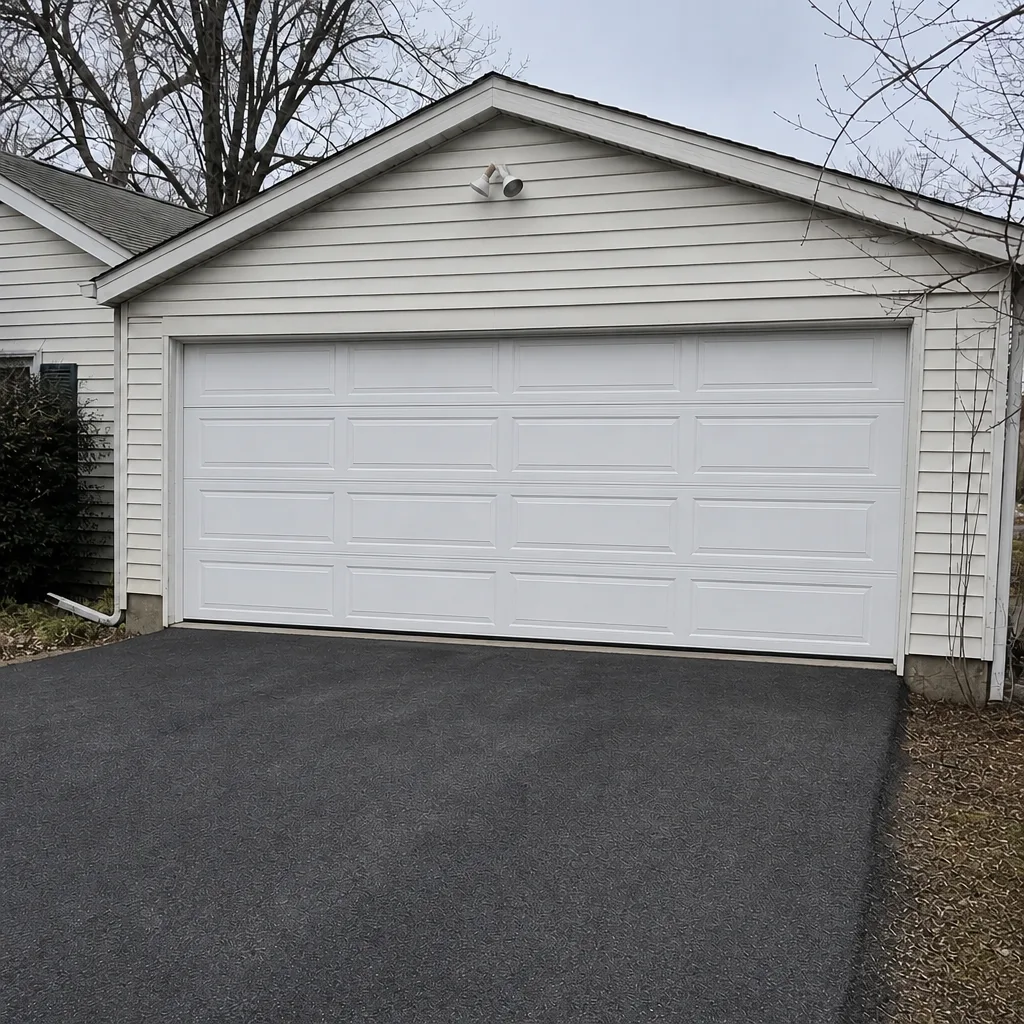 After
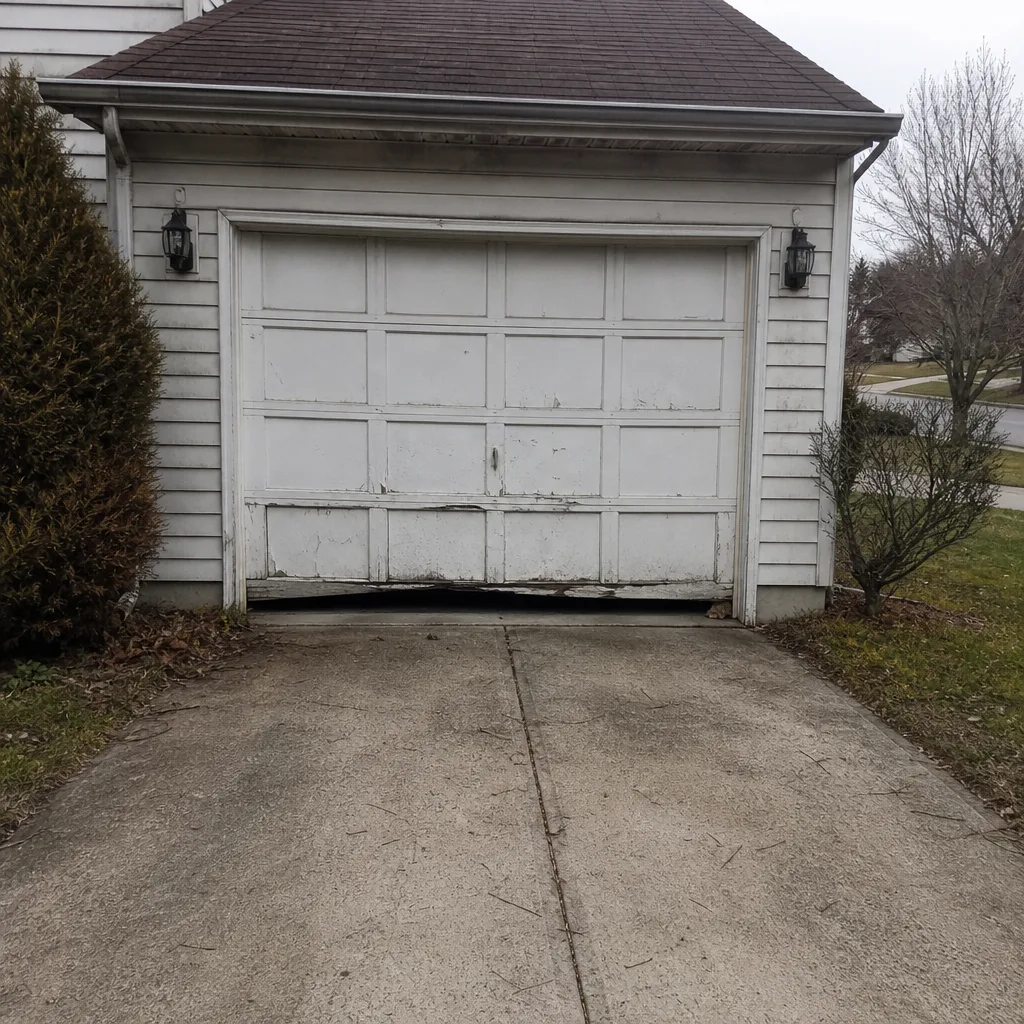 Before
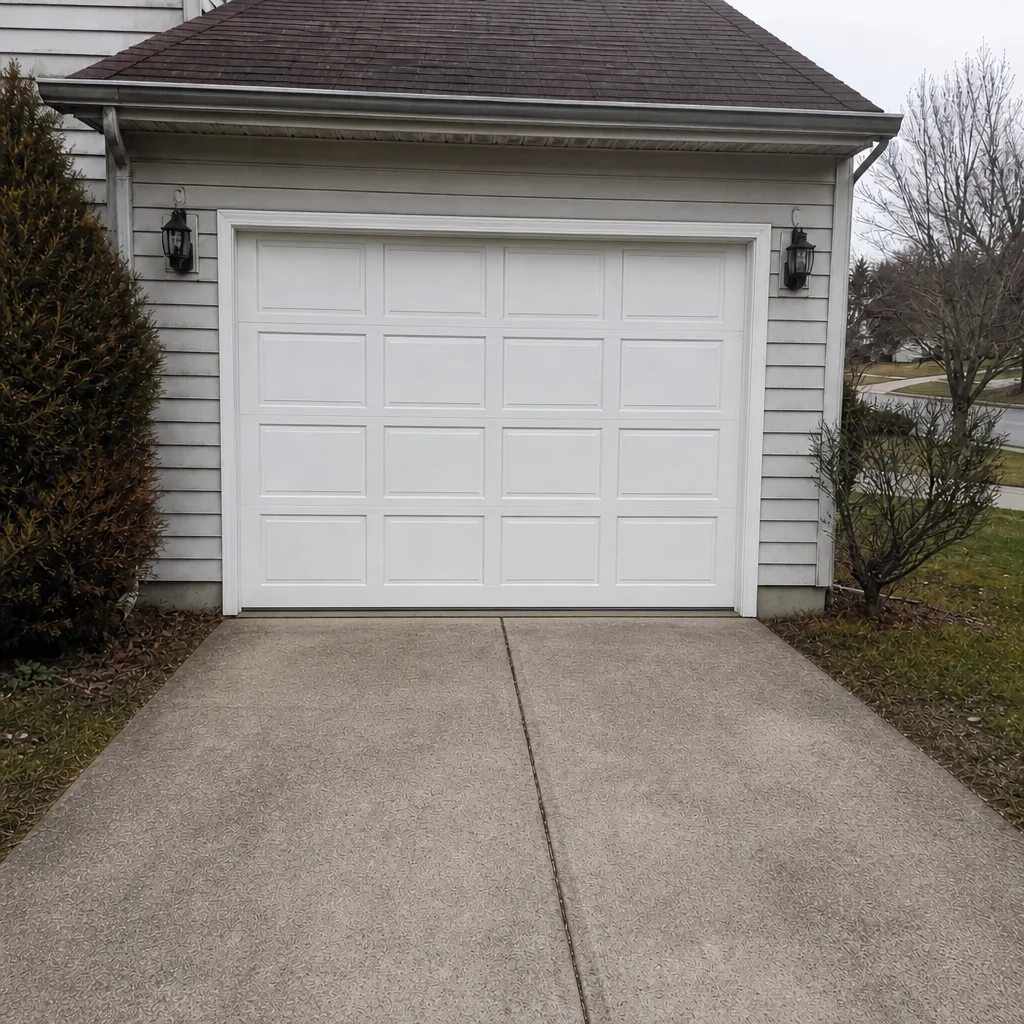 After
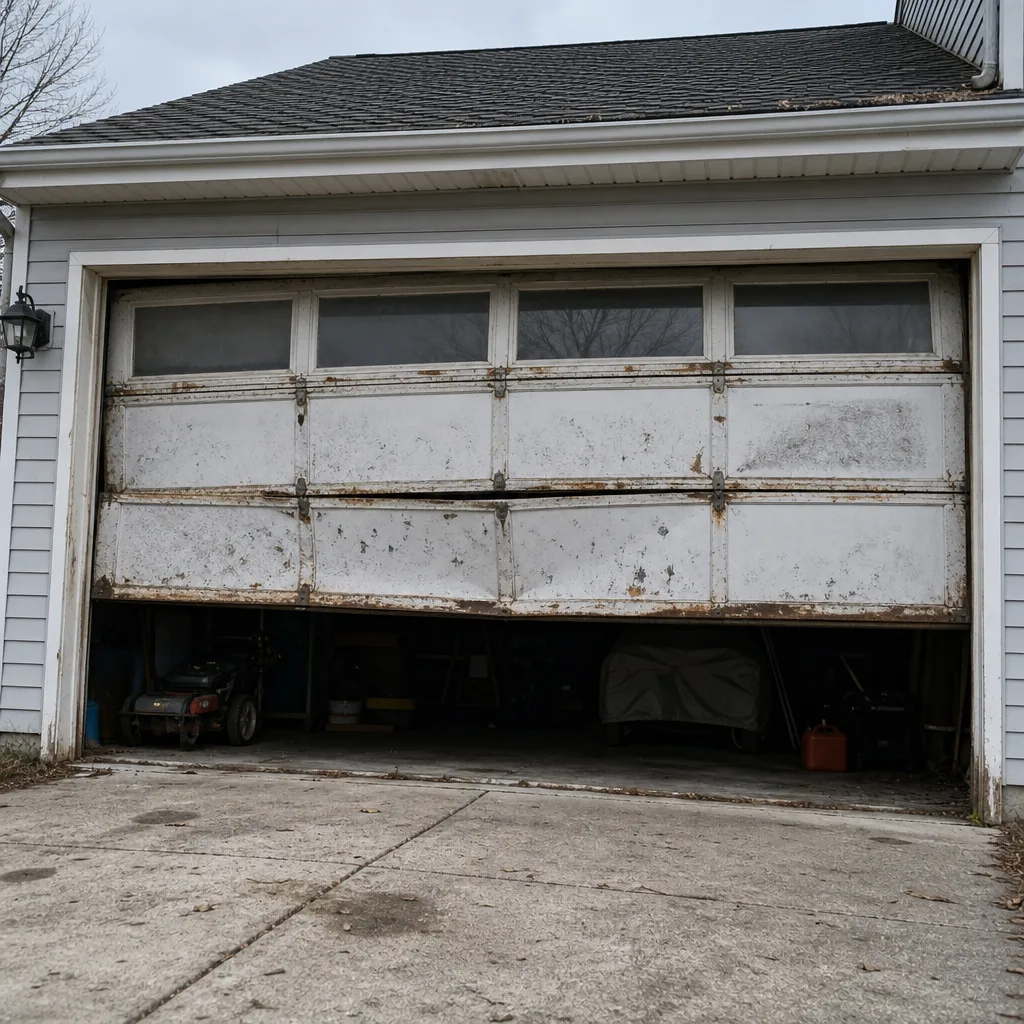 Before
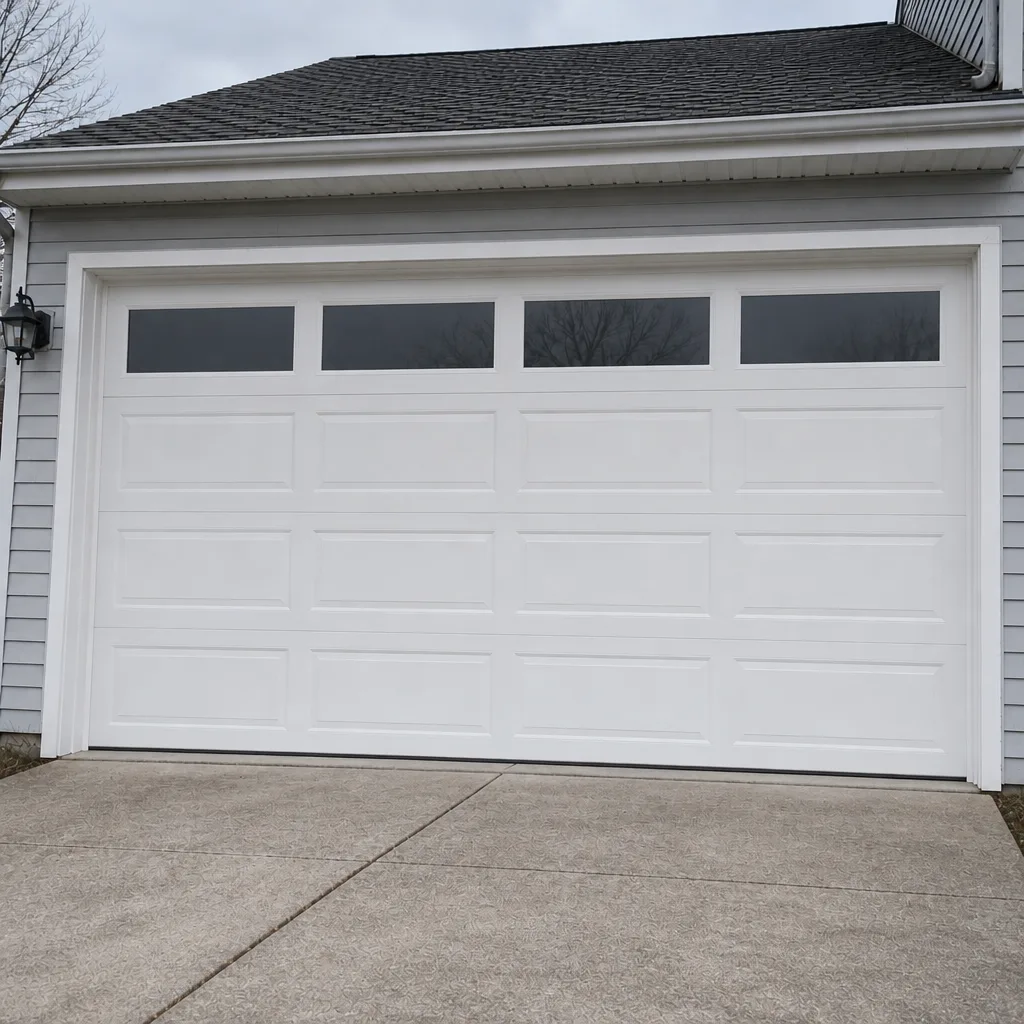 After
When to Call a Professional
Some garage door problems are safe to diagnose yourself, but many are not. A door that won’t open at all, a door stuck halfway with a car trapped inside, or a door that opens unevenly and binds are all signs to stop and call someone. A snapped torsion or extension spring is the clearest one: never attempt to release, adjust, or replace a spring yourself. A garage door that closes on its own, a track that’s bent enough to bind the rollers, a door that’s come off its track, or an opener that runs without moving the door all fall into the professional category. If your door has become a security problem because it won’t latch or close fully, that’s urgent too. Our related guide on garage door spring repair explains why spring work is the highest-risk category on the list and why a trained technician is the only safe option. Hamilton Garage Door Repair Pros offers free estimates in Hamilton, so a callback costs you nothing, and a qualified pro can tell you quickly whether you’re looking at a repair or something more.
Frequently Asked Questions
Ask for their Maryland Home Improvement Commission license number and look it up through the MHIC public license search before booking the visit. Confirm the name on the license matches the business, that it’s active, and that they can show proof of insurance. The whole check takes about two minutes and it’s the most reliable filter you have.
Repair costs vary by what failed, so ask for a written, itemized estimate before any work starts. Spring repairs, opener repairs, roller and hinge replacements, and track adjustments all price differently, and a matched pair of springs is a different job than a single one. Call (855) 502-5595 for an exact quote on your door; estimates are free and the written estimate sets the final price.
Emergency garage door service is a core part of what we do, and a door that won’t close is a genuine security problem worth treating as urgent. We also close on Saturdays, so a door that fails on Saturday gets booked for Sunday rather than same-day. For weekday emergencies, call us and we’ll get you into the schedule as quickly as we can, with the price quoted and agreed before any work starts.
The written estimate is the price, and it should be agreed before any work begins. What can change a quote is a genuinely different finding once the door is apart, and when that happens a good contractor explains exactly what they found and gets your agreement first. If a price moves without that conversation, treat it as a red flag and ask why.
We work on the brands most homes actually have, including Raynor, LiftMaster, Chamberlain, and Genie, along with several other widely installed brands. Whatever’s already in your garage, the answer is almost certainly yes. What matters more than the brand name is whether the technician can diagnose the specific mechanism, and that’s what our brand familiarity is built to do.
That depends on what’s actually failing and what condition the rest of the door is in. Spring and opener failures are usually repair jobs; structural panel separation or a door that’s genuinely at the end of its life may justify replacement. Ask for the breakdown of what’s broken, what’s wearing, and what’s near end of life, then decide with specifics rather than urgency.
The Bottom Line
Hiring a garage door contractor in Hamilton comes down to verification and listening, not review scores or speed. Confirm the MHIC license before you book, ask brand-specific questions that a real technician will answer without hesitation, and be skeptical when “we carry all parts on the truck” becomes a reason to install the wrong part. Read the written estimate for safety language that’s really an upsell, and insist on parts and labor warranties in writing rather than a verbal promise. When you need garage door repair in Hamilton, the right contractor gives you a specific diagnosis, a written price, and room to decide. That’s the standard worth holding every company to.
If your door is broken, stuck, or reaching the end of its life and you’d rather talk it through with someone who knows the brands, call Hamilton Garage Door Repair Pros at (855) 502-5595 for a free estimate. We’ll walk through what failed, what it takes to fix it, and what the written price will be before any work begins.
Written by the team at Hamilton Garage Door Repair Pros.